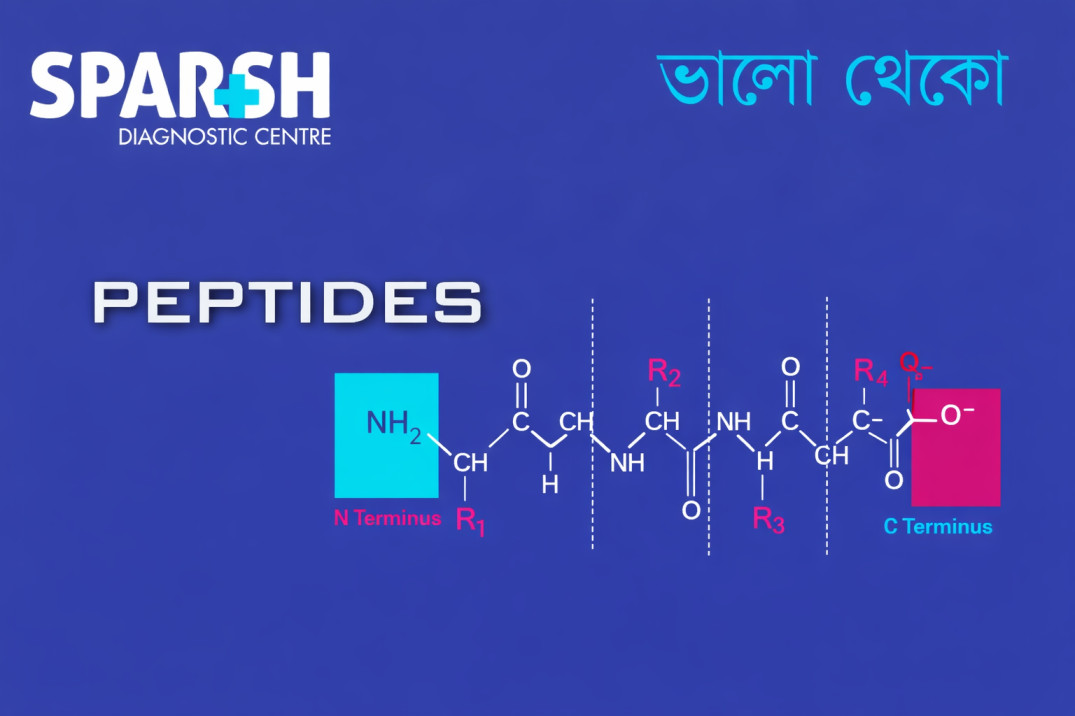
Peptides have quietly moved from the world of advanced science into everyday health, skincare, and fitness conversations. You’ll find them in anti-aging serums, muscle recovery supplements, and even cutting-edge medical therapies. But what exactly are peptides—and why are they getting so much attention?
If you’ve ever felt confused by the science-heavy explanations, this guide breaks it all down. By the end, you’ll understand what peptides are, how they function in the body, and whether they’re actually worth considering.
What Are Peptides?
At their core, peptides are short chains of amino acids—the same building blocks that make up proteins. The key difference lies in their size. While proteins are long, complex structures, peptides are smaller and simpler, usually made up of 2 to 50 amino acids.
Think of peptides as “mini-proteins” that send signals in your body. They don’t just sit there—they actively communicate with cells, telling them what to do.
For example, some peptides signal your skin to produce more collagen, while others may influence hormone release, muscle growth, or immune responses.
How Do Peptides Work in the Body?
Peptides act like messengers. They bind to specific receptors on cells and trigger biological processes. This signaling ability is what makes them so powerful.
Here are a few ways peptides function:
1. Cell Communication
Peptides help cells “talk” to each other. This communication controls processes like healing, inflammation, and tissue repair.
2. Hormone Regulation
Certain peptides function as hormones or influence hormone release. For instance, insulin is actually a peptide hormone that regulates blood sugar levels.
3. Tissue Repair and Growth
Some peptides stimulate the production of collagen, elastin, and other structural proteins, which are essential for skin health and wound healing.
4. Immune Support
Antimicrobial peptides help your body fight infections by targeting harmful bacteria, viruses, and fungi.
Types of Peptides
Not all peptides are the same. Different types serve different purposes, and understanding this helps you see where they might fit into your life.
Signal Peptides
These are commonly used in skincare. They send signals to your skin to produce more collagen and elastin, helping reduce wrinkles and improve firmness.
Carrier Peptides
Carrier peptides deliver essential minerals like copper to cells, which helps with healing and enzyme function.
Enzyme-Inhibitor Peptides
These peptides slow down the breakdown of collagen, helping maintain youthful skin for longer.
Antimicrobial Peptides
They play a role in defending the body against infections.
Hormonal Peptides
These include peptides that regulate growth hormone, appetite, or metabolism.
Peptides in Skincare: Do They Really Work?
Peptides have become a buzzword in skincare—and for good reason.
When applied topically, certain peptides can signal your skin to produce more collagen. Since collagen is responsible for skin firmness and elasticity, this can lead to smoother, younger-looking skin over time.
Benefits of Peptides in Skincare
- Improved skin texture
- Reduced appearance of fine lines and wrinkles
- Enhanced hydration
- Stronger skin barrier
However, it’s worth being realistic. Peptides are not overnight miracle workers. They work gradually and are most effective when used consistently alongside other ingredients like sunscreen and antioxidants.
Peptides in Fitness and Muscle Growth
Peptides have also gained popularity in the fitness world, especially among those looking to improve muscle growth, recovery, and performance.
Some peptides may stimulate the release of growth hormone, which can:
- Increase muscle mass
- Improve recovery time
- Support fat loss
That said, this area is more complex—and sometimes controversial. Many performance-enhancing peptides are not approved for general use and may come with legal or health risks if used improperly.
Medical Uses of Peptides
Peptides are not just trendy—they’re also a major focus in modern medicine.
Researchers and doctors use peptide-based therapies for a wide range of conditions, including:
- Diabetes (insulin therapy)
- Cancer treatments
- Autoimmune diseases
- Hormonal disorders
Because peptides are highly specific in how they interact with cells, they can target certain processes without affecting the entire body. This precision is what makes them promising in future treatments.
Are Peptides Safe?
In general, naturally occurring peptides in the body are safe. However, when it comes to supplements, injections, or topical products, safety depends on several factors:
Quality of the Product
Not all peptide products are created equal. Poor-quality or unregulated products can be ineffective—or even harmful.
Method of Use
Topical peptides (like those in skincare) are generally considered safe. Injectable peptides, on the other hand, should only be used under medical supervision.
Intended Purpose
Using peptides for approved medical treatments is very different from using them for performance enhancement or anti-aging experiments.
Natural Sources of Peptides
You don’t necessarily need supplements to benefit from peptides. Your body naturally produces them, and you can support this process through diet.
Foods Rich in Peptides or Amino Acids
- Eggs
- Dairy products
- Fish and chicken
- Beans and lentils
- Soy products
When you eat protein-rich foods, your body breaks them down into amino acids and peptides, which are then used for various functions.
Peptides vs Proteins: What’s the Difference?
It’s easy to confuse peptides with proteins, but the difference comes down to size and function.
- Peptides: Short chains of amino acids with signaling roles
- Proteins: Long chains that perform structural and functional tasks
In simple terms, peptides are like instructions, while proteins are the machinery that carries out those instructions.
The Growing Popularity of Peptides
Peptides are becoming more mainstream because they sit at the intersection of science and everyday wellness.
From anti-aging creams to advanced therapies, they offer a targeted approach that feels more precise than traditional methods. As research continues, we’re likely to see even more applications—from personalized medicine to innovative skincare solutions.
Should You Use Peptides?
The answer depends on your goals.
- For skincare: Peptides can be a helpful addition, especially for anti-aging routines
- For health conditions: Always follow medical advice
- For fitness enhancement: Proceed with caution and prioritize safety
Peptides aren’t magic—but when used appropriately, they can be a valuable tool.
Common Myths About Peptides
“Peptides Work Instantly”
They don’t. Most benefits appear gradually over weeks or months.
“All Peptides Are the Same”
Different peptides have completely different functions.
“More Is Better”
Using higher amounts doesn’t necessarily improve results and may increase risks.
The Future of Peptides
Peptides are one of the most exciting areas in biomedical research. Scientists are exploring their potential in:
- Targeted drug delivery
- Anti-aging therapies
- Regenerative medicine
- Weight management treatments
As technology improves, peptides could play a major role in how we approach health and longevity.
FAQs About Peptides
1. What are peptides in simple terms?
They are small chains of amino acids that act as messengers in the body, helping regulate various biological functions.
2. Are peptides better than proteins?
Not necessarily. They serve different roles. Peptides are more about signaling, while proteins perform structural and functional tasks.
3. Do peptide creams really reduce wrinkles?
They can help improve skin texture and reduce fine lines over time, especially when used consistently.
4. Are peptide supplements safe?
It depends on the product and how it’s used. Always choose reputable brands and consult a healthcare professional if unsure.
5. Can peptides help with muscle growth?
Some peptides may support muscle growth and recovery, but many are not approved for general use and should be approached with caution.
6. Are peptides natural?
Yes, your body naturally produces peptides, and they are also derived from dietary proteins.
7. How long do peptides take to work?
Results vary depending on the type and use, but most benefits take weeks to become noticeable.
8. Can I use peptides every day?
Topical peptides in skincare are generally safe for daily use, but always follow product instructions.
To consult a Doctor at Sparsh Diagnostic Centre, call our helpline numbers 9830117733/ 8335049501.
#BhaloTheko
Disclaimer:
No content on this site, regardless of date, should ever be used as a substitute for direct medical advice from your doctor or other qualified clinician.