Waking up with a puffy face can feel frustrating—especially when it happens unexpectedly. One day your face looks perfectly normal, and the next, it appears swollen, tired, or heavier than usual. This condition, commonly referred to as face bloating, is usually harmless but can sometimes signal an underlying issue.
In this guide, we’ll break down what causes facial bloating, how to reduce it naturally, and when it might be time to seek medical advice.
What Is Face Bloating?
Face bloating refers to temporary swelling or puffiness in the face, often caused by fluid retention, inflammation, or changes in lifestyle. Medically, this can be linked to a mild form of edema, where excess fluid accumulates in tissues.
It can affect different areas of the face, including:
- Under the eyes
- Cheeks
- Jawline
- Lips
For most people, it’s short-lived and resolves within hours or days.
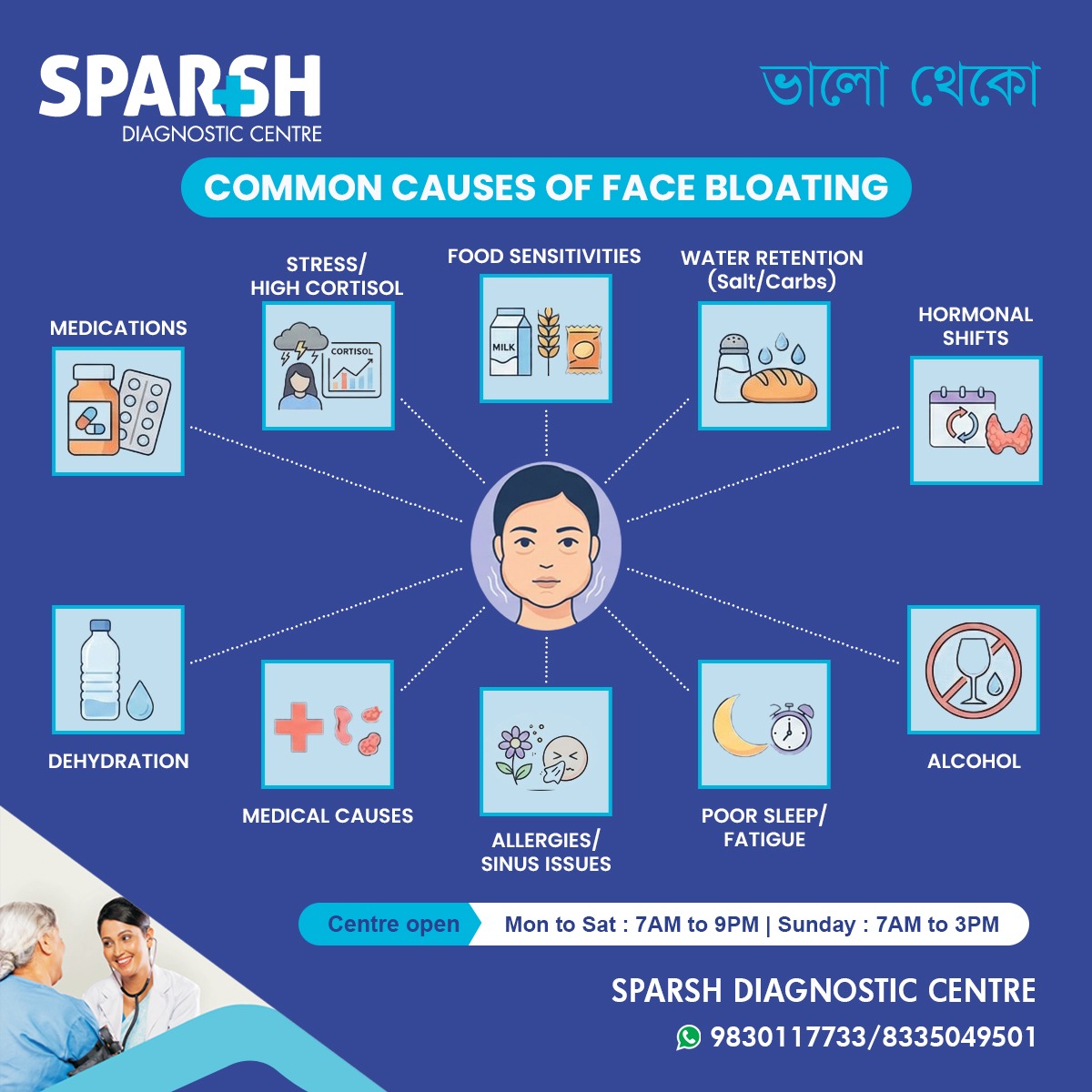
Common Causes of Face Bloating
Facial puffiness rarely has a single cause. Instead, it’s often a combination of habits, diet, and internal body processes.
1. Water Retention (Salt & Carbs)
One of the biggest culprits is water retention. Consuming too much salt or refined carbohydrates can cause your body to hold onto extra fluid.
- High-sodium foods increase fluid retention
- Carbohydrates store water along with glycogen
- Leads to puffiness, especially in the morning
2. Food Sensitivities
Certain foods may trigger inflammation or mild allergic reactions, leading to facial swelling.
Common triggers include:
- Dairy products
- Gluten
- Processed foods
- Artificial additives
If you notice bloating after specific meals, your body might be reacting to something you’re eating.
3. Lack of Sleep
Sleep plays a major role in regulating fluid balance and inflammation.
When you don’t get enough sleep:
- Blood vessels dilate
- Fluid accumulates under the eyes
- The face looks swollen and tired
Even one night of poor sleep can make a noticeable difference.
4. Alcohol Consumption
Alcohol is dehydrating, yet it paradoxically causes fluid retention.
Here’s why:
- It disrupts fluid balance
- Leads to dehydration
- The body compensates by holding onto water
This often results in puffiness the next morning.
5. Dehydration
It may sound counterintuitive, but not drinking enough water can actually make your face look more bloated.
When dehydrated:
- The body retains water as a survival mechanism
- Fluid accumulates in tissues, including the face
6. Stress and High Cortisol
Chronic stress increases levels of cortisol, the stress hormone.
High cortisol can:
- Promote water retention
- Cause inflammation
- Alter fat distribution
This is why long-term stress can subtly change facial appearance.
7. Hormonal Changes
Hormonal fluctuations—especially in women—can lead to temporary facial bloating.
Common situations include:
- Menstrual cycle
- Pregnancy
- Thyroid imbalances
Hormones influence how the body stores water and manages inflammation.
8. Allergies and Sinus Issues
Allergic reactions or sinus congestion can lead to noticeable swelling, especially around the eyes and cheeks.
Symptoms often include:
- Puffy eyes
- Nasal congestion
- Facial pressure
9. Medications
Certain medications can cause facial puffiness as a side effect, including:
- Steroids
- Blood pressure medications
- Hormonal treatments
If bloating started after a new medication, it’s worth discussing with your doctor.
10. Underlying Medical Conditions
In some cases, facial bloating may signal a deeper issue, such as:
- Kidney problems
- Thyroid disorders
- Chronic sinus infections
Persistent or severe swelling should never be ignored.
How to Reduce Face Bloating Naturally
The good news? Most cases of facial bloating can be improved with simple lifestyle adjustments.
Stay Hydrated
Drink enough water throughout the day. Proper hydration helps:
- Flush out excess sodium
- Reduce fluid retention
- Improve skin appearance
Cut Back on Salt
Reducing sodium intake can quickly decrease puffiness.
Try:
- Cooking at home
- Avoiding processed foods
- Reading nutrition labels
Improve Sleep Quality
Aim for 7–9 hours of quality sleep.
Tips:
- Maintain a consistent sleep schedule
- Avoid screens before bed
- Elevate your head slightly while sleeping
Limit Alcohol
Reducing alcohol intake can make a noticeable difference in how your face looks and feels.
Use Cold Therapy
Cold compresses or chilled spoons can help:
- Constrict blood vessels
- Reduce swelling
- Improve circulation
Facial Massage
Gentle facial massage or lymphatic drainage techniques can:
- Improve circulation
- Reduce fluid buildup
- Define facial contours
Watch Your Diet
Focus on anti-inflammatory foods:
- Fruits and vegetables
- Whole grains
- Healthy fats
Avoid foods that trigger bloating for you.
Manage Stress
Stress management techniques such as:
- Meditation
- Deep breathing
- Exercise
…can help regulate cortisol levels and reduce puffiness.
Quick Fixes for Instant De-Puffing
Need a fast solution before heading out?
Try these:
- Splash cold water on your face
- Apply an ice roller
- Drink a glass of water with lemon
- Avoid salty breakfast foods
These won’t solve the root cause but can temporarily reduce swelling.
When Should You See a Doctor?
While most cases are harmless, you should seek medical advice if you notice:
- Sudden, severe swelling
- Swelling accompanied by pain or redness
- Difficulty breathing (emergency)
- Persistent puffiness lasting weeks
- Swelling only on one side of the face
These could indicate an underlying medical condition that needs evaluation.
Face Bloating vs. Weight Gain
It’s easy to confuse facial bloating with weight gain, but they’re not the same.
| Face Bloating | Weight Gain |
|---|---|
| Temporary | Gradual |
| Caused by fluid retention | Caused by fat accumulation |
| Fluctuates daily | Changes over weeks/months |
| Improves quickly | Requires long-term lifestyle changes |
Preventing Face Bloating Long-Term
Consistency is key. To keep facial puffiness at bay:
- Maintain a balanced diet
- Stay hydrated daily
- Exercise regularly
- Manage stress effectively
- Get enough sleep
These habits not only reduce bloating but also improve overall health.
FAQs About Face Bloating
1. Why is my face bloated in the morning?
Morning puffiness is usually due to fluid accumulation overnight, especially if you consumed salty food, alcohol, or didn’t sleep well.
2. Can dehydration cause facial bloating?
Yes. When your body lacks water, it retains fluid, which can lead to a bloated appearance.
3. How long does face bloating last?
Most cases resolve within a few hours to a couple of days, depending on the cause.
4. Does drinking more water reduce face bloating?
Absolutely. Staying hydrated helps flush out excess sodium and reduces water retention.
5. Can stress make your face puffy?
Yes. High cortisol levels from stress can lead to fluid retention and inflammation, causing facial swelling.
6. Is face bloating a sign of a serious condition?
Usually not, but persistent or severe swelling may indicate underlying health issues and should be checked by a doctor.
7. What foods cause face bloating?
Common triggers include:
- Salty foods
- Processed snacks
- Dairy (for some people)
- Alcohol
8. Can allergies cause facial swelling?
Yes. Allergies can lead to inflammation and fluid buildup, especially around the eyes and cheeks.
To consult a Doctor at Sparsh Diagnostic Centre, call our helpline numbers 9830117733/ 8335049501.
#BhaloTheko
Disclaimer:
No content on this site, regardless of date, should ever be used as a substitute for direct medical advice from your doctor or other qualified clinician.