When people think about dental care, brushing and flossing usually come to mind first. While these daily habits are essential, they’re only part of the picture. Over time, stubborn deposits build up on teeth in places that regular brushing simply can’t reach. That’s where professional teeth scaling comes in.
Teeth scaling is a common dental procedure that removes hardened plaque and bacteria from the teeth and gum line. It’s one of the most effective ways to prevent gum disease and keep your smile healthy in the long run. If your dentist has ever recommended a scaling appointment, it’s not just about cleaning your teeth—it’s about protecting your overall oral health.
In this guide, we’ll break down everything you need to know about teeth scaling: what it is, why it’s necessary, how it works, and what you can expect during and after the procedure.
What Is Teeth Scaling?
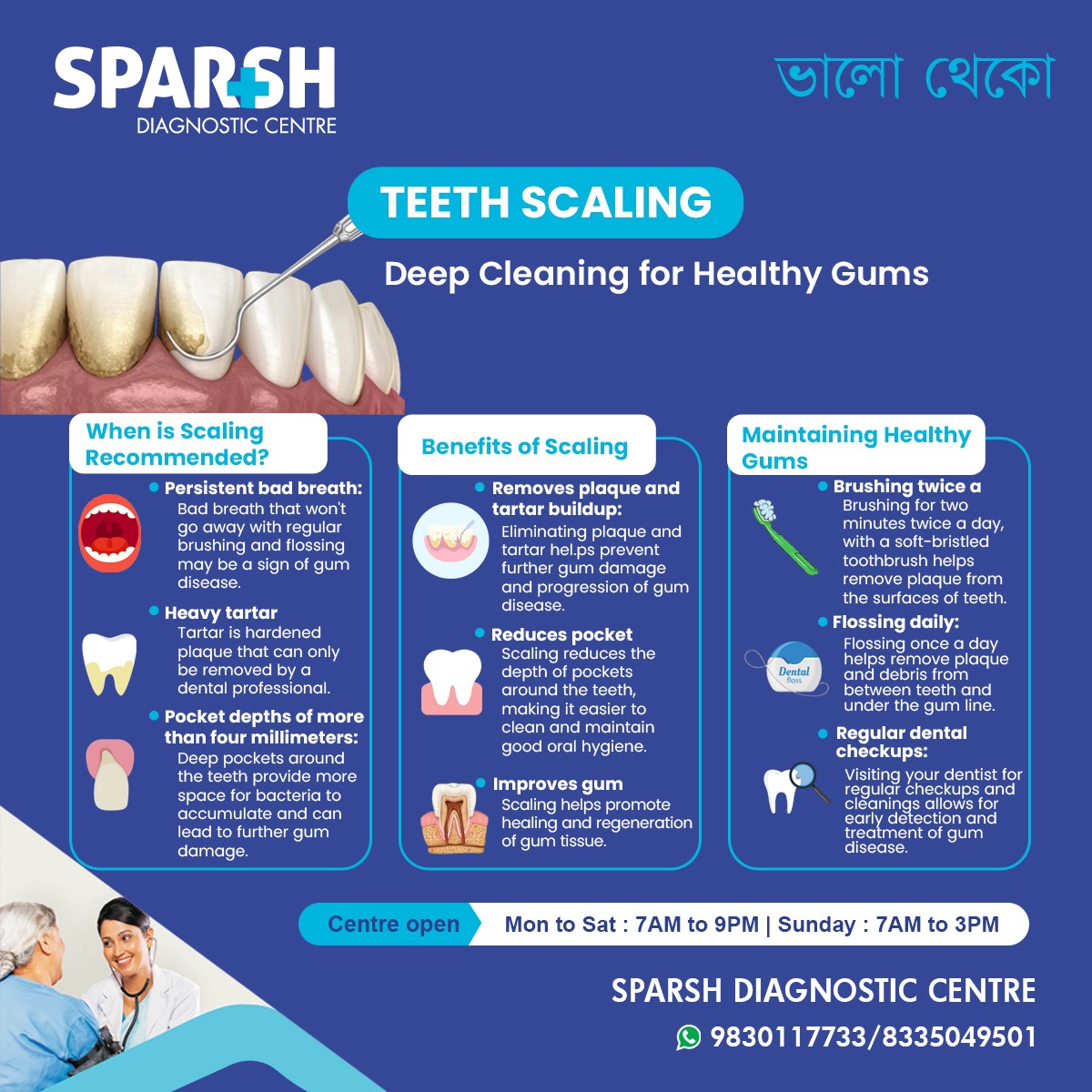
Teeth scaling is a professional dental cleaning procedure that removes plaque and hardened deposits known as tartar from the surface of the teeth and beneath the gum line.
Plaque is a sticky film of bacteria that forms on your teeth every day. If it isn’t removed through proper oral hygiene, it can harden into calculus (also called tartar), which cannot be removed with brushing alone.
Dentists or dental hygienists use specialized tools to carefully remove these deposits. This deep cleaning helps prevent gum disease and improves the health of your gums.
Teeth scaling is often part of a broader procedure known as scaling and root planing, especially when someone has early signs of gum disease.
Understanding Plaque and Tartar
Before discussing the procedure in detail, it’s helpful to understand what scaling actually removes.
Dental Plaque
Dental plaque is a soft, sticky layer of bacteria that constantly forms on teeth. It develops when bacteria in the mouth interact with food particles and saliva.
If plaque is not removed regularly, it can lead to:
Gum inflammation
Tartar (Dental Calculus)
When plaque stays on teeth for too long, it hardens into tartar.
Dental calculus forms when minerals in saliva combine with plaque, creating a rough, hardened surface that bacteria can easily cling to.
Once tartar forms, it cannot be removed by brushing or flossing. Professional dental scaling is the only effective solution.
Why Teeth Scaling Is Important
Many people assume that if their teeth look clean, they don’t need professional scaling. However, tartar often forms in hidden areas, especially below the gum line.
Regular scaling plays a crucial role in preventing oral health problems.
Prevents Gum Disease
The biggest benefit of scaling is preventing gum disease.
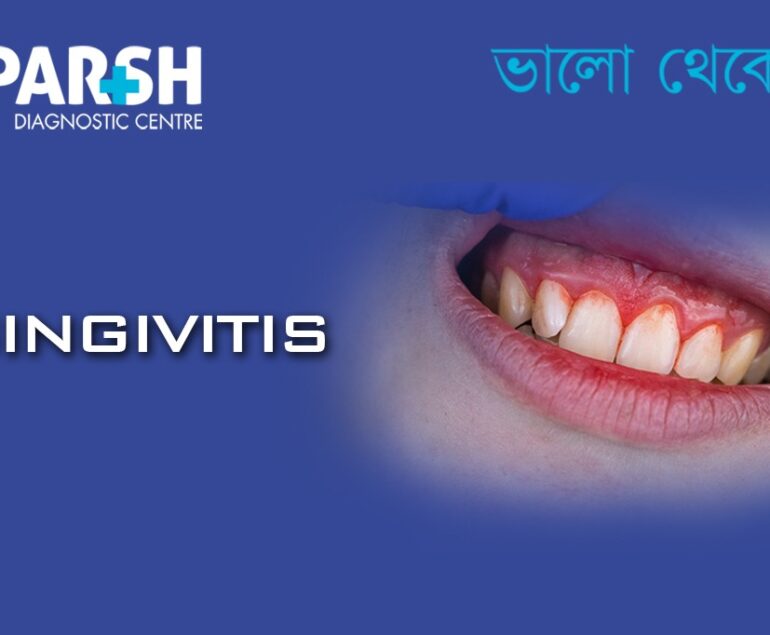
Early-stage gum disease is known as Gingivitis. It causes red, swollen gums that bleed easily when brushing.
If left untreated, gingivitis can progress into Periodontitis, a more serious infection that damages the bone supporting the teeth.
Scaling removes the bacteria responsible for these infections.
Reduces Bad Breath
Persistent bad breath, also known as halitosis, is often caused by bacteria trapped in plaque and tartar. Removing these deposits significantly improves breath freshness.
Protects Tooth Structure
Tartar buildup can slowly damage tooth enamel and lead to cavities. Regular scaling helps maintain the integrity of your teeth.
Improves Gum Health
Scaling reduces inflammation and allows gums to reattach properly to the teeth.
Signs You May Need Teeth Scaling
Some people require scaling more frequently than others. Your dentist may recommend the procedure if you notice the following symptoms:
Bleeding gums during brushing or flossing
Persistent bad breath
Red or swollen gums
Gum recession
Visible tartar buildup
Loose teeth
Sensitivity near the gum line
Even if you don’t have obvious symptoms, dentists often recommend scaling every six months as part of routine preventive care.
Types of Teeth Scaling Procedures
Not all dental cleanings are the same. The type of scaling depends on the level of plaque buildup and gum health.
1. Routine Dental Scaling
This is the standard cleaning performed during regular dental visits.
It focuses on removing plaque and tartar above the gum line and polishing the teeth.
2. Deep Cleaning (Scaling and Root Planing)
If gum disease is present, a deeper cleaning may be required.
This procedure involves:
Removing tartar below the gum line
Smoothing the tooth roots
Helping gums reattach to the teeth
Deep cleaning may be done over multiple visits depending on the severity of the condition.
How Teeth Scaling Works
The scaling process is straightforward and typically painless. Here’s what usually happens during the appointment.
Step 1: Oral Examination
The dentist or hygienist first examines your teeth and gums using a small mirror to check for signs of plaque, tartar, or gum disease.
Step 2: Plaque and Tartar Removal
Specialized instruments are used to remove hardened deposits from the teeth.
Two common tools include:
Ultrasonic scalers – These use high-frequency vibrations and water spray to break up tartar.
Hand scalers – Fine manual instruments used to remove smaller deposits and smooth the tooth surface.
Step 3: Deep Cleaning Below the Gum Line
If necessary, the dentist carefully removes bacteria from pockets between the teeth and gums.
Step 4: Polishing the Teeth
After scaling, the teeth are polished with a special paste to remove surface stains and smooth the enamel.
Step 5: Fluoride Treatment (Optional)
In some cases, fluoride may be applied to strengthen the enamel and protect against cavities.
Is Teeth Scaling Painful?
For most people, routine scaling causes little to no discomfort.
You may feel:
Slight pressure
Mild scraping sensations
Temporary gum sensitivity
If deeper cleaning is required, dentists often use local anesthesia to numb the gums and ensure comfort during the procedure.
After the treatment, mild soreness or sensitivity may occur for a day or two, but this usually resolves quickly.
Benefits of Teeth Scaling
Teeth scaling provides several long-term benefits for oral health.
Healthier Gums
Removing bacteria allows inflamed gums to heal and reduces the risk of infection.
Brighter Smile
Scaling removes surface stains from coffee, tea, and tobacco, making teeth appear cleaner and brighter.
Prevention of Tooth Loss
By preventing advanced gum disease, scaling helps maintain the structures that hold teeth in place.
Better Overall Health
Oral health is closely linked to overall health. Studies suggest that gum disease may increase the risk of conditions such as heart disease and diabetes.
Maintaining healthy gums through regular scaling can contribute to overall well-being.
What to Expect After Teeth Scaling
After your scaling appointment, you may notice several improvements in your mouth.
Common post-treatment experiences include:
Smoother teeth
Fresher breath
Reduced gum bleeding
Slight temporary sensitivity
Your dentist may recommend avoiding extremely hot or cold foods for a short time if sensitivity occurs.
Most people can resume normal activities immediately after the procedure.
How to Maintain Results After Scaling
Scaling removes existing tartar, but plaque can begin forming again within hours. Maintaining good oral hygiene is essential to prevent buildup from returning.
Here are some key habits that help protect your teeth after scaling.
Brush Twice Daily
Use a soft-bristled toothbrush and fluoride toothpaste to clean your teeth for at least two minutes.
Floss Every Day
Flossing removes plaque from areas between teeth where toothbrushes cannot reach.
Use Antibacterial Mouthwash
An antimicrobial rinse helps reduce bacteria that cause plaque and gum disease.
Visit Your Dentist Regularly
Most dentists recommend professional cleaning every six months, although some people may require more frequent visits.
Maintain a Balanced Diet
Reducing sugary foods and drinks helps limit bacterial growth in the mouth.
Who Should Get Teeth Scaling?
Teeth scaling is recommended for nearly everyone as part of routine dental care.
However, it is especially important for people who:
Have a history of gum disease
Smoke or use tobacco
Have diabetes
Wear braces or dental appliances
Experience frequent plaque buildup
Your dentist will determine how often you should schedule scaling appointments based on your oral health.
Teeth Scaling vs Regular Cleaning
Many people wonder whether scaling is different from a standard dental cleaning.
In many cases, routine dental cleaning includes basic scaling to remove plaque and tartar above the gum line.
However, when deeper deposits exist below the gums, more advanced scaling procedures may be required.
Think of scaling as the essential step in cleaning teeth that brushing and polishing alone cannot accomplish.
How Often Should You Get Teeth Scaling?
The ideal frequency varies from person to person.
Most dental professionals recommend scaling every six months during routine checkups.
However, individuals with gum disease or heavy tartar buildup may need scaling every three to four months.
Your dentist will create a personalized cleaning schedule based on your oral health needs.
Are There Any Risks?
Teeth scaling is considered a safe and routine dental procedure.
In rare cases, temporary side effects may include:
Gum tenderness
Mild bleeding
Tooth sensitivity
These effects typically resolve within a few days.
Serious complications are extremely uncommon when the procedure is performed by a qualified dental professional.
Frequently Asked Questions (FAQs)
1. What is teeth scaling?
Teeth scaling is a professional dental procedure that removes plaque and hardened tartar deposits from the teeth and below the gum line to prevent gum disease and maintain oral health.
2. How long does teeth scaling take?
A routine scaling session usually takes 30 to 60 minutes. Deep cleaning procedures may require longer appointments or multiple visits.
3. Does teeth scaling damage enamel?
No. When performed by a trained dentist or hygienist, scaling does not damage tooth enamel. The instruments are designed to safely remove tartar without harming the tooth surface.
4. Is teeth scaling necessary if I brush regularly?
Yes. Even with excellent brushing and flossing habits, small amounts of plaque can harden into tartar in hard-to-reach areas. Professional scaling removes these deposits.
5. How much does teeth scaling cost?
The cost varies depending on location, dental clinic, and whether deep cleaning is required. Routine scaling is generally affordable and often covered by dental insurance plans.
6. Can teeth scaling whiten teeth?
Scaling is not a whitening treatment, but it removes stains and tartar, which can make teeth appear brighter and cleaner.
7. What should I avoid after teeth scaling?
For a few hours after the procedure, avoid extremely hot or cold foods, acidic drinks, and smoking to reduce sensitivity.
Teeth scaling may seem like a simple dental procedure, but it plays a crucial role in maintaining long-term oral health. By removing stubborn plaque and tartar, scaling protects your gums, prevents tooth loss, and keeps your smile looking its best.
Regular dental visits combined with good daily oral hygiene can significantly reduce the risk of gum disease and other dental problems.
If it’s been a while since your last professional cleaning, scheduling a teeth scaling appointment could be one of the best steps you take for your oral health.
To consult a Dentist at Sparsh Diagnostic Centre, call our helpline numbers 9830117733/ 8335049501.
#BhaloTheko
Medically Reviewed By
This article has been medically reviewed by Dr. Jaydeep Roy, BDS, Dental Surgeon at Sparsh Diagnostic Centre.
The content has been reviewed for medical accuracy, clinical relevance and clarity to ensure that the information about root canal treatment, its procedure, recovery, benefits and potential risks is consistent with current dental practice and patient-care guidance.
Medical Reviewer: Dr. Jaydeep Roy, BDS
Speciality: Dentistry
Medical Review Date: 3rd September 2026
This article is intended for general health information and educational purposes only. It should not be used as a substitute for professional dental advice, diagnosis or treatment.
Disclaimer:
No content on this site, regardless of date, should ever be used as a substitute for direct medical advice from your doctor or other qualified clinician.