

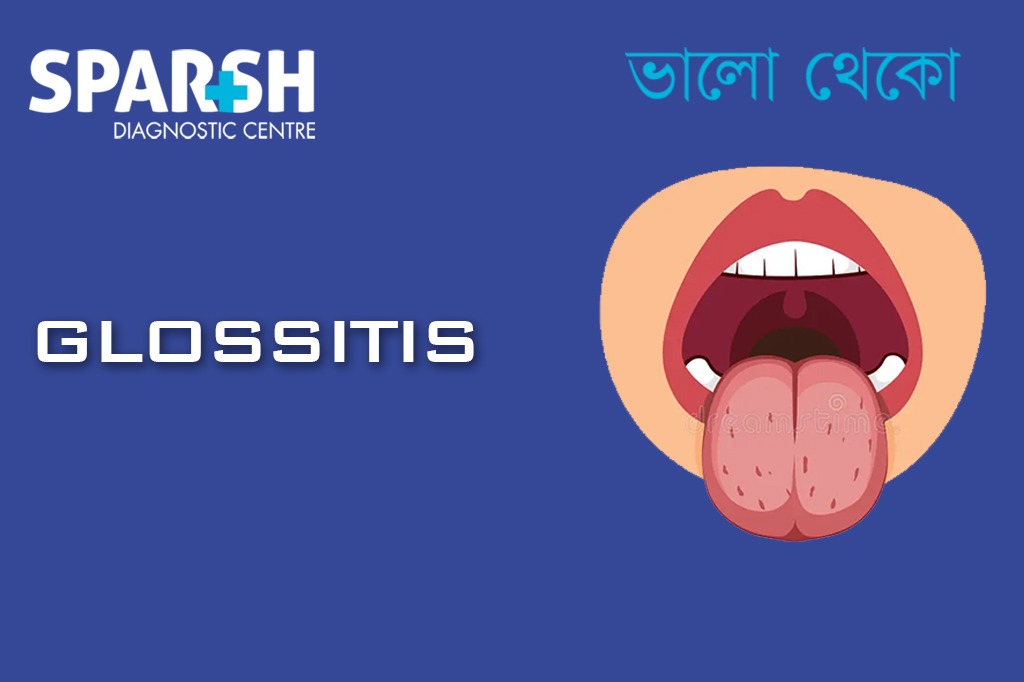
Your tongue does much more than help you taste food. It plays an essential role in speaking, chewing, swallowing, and even maintaining oral health. When something goes wrong with the tongue, it can quickly affect daily life. One such condition is Glossitis, which refers to inflammation of the tongue.
Glossitis may cause swelling, tenderness, color changes, or a smooth appearance on the tongue. Sometimes it develops suddenly, while in other cases it appears gradually as part of an underlying health problem. Although it can be uncomfortable, the condition is usually treatable once the root cause is identified.
In this detailed guide, we’ll explore what glossitis is, its symptoms, causes, diagnostic methods, and available treatment options.
What Is Glossitis?
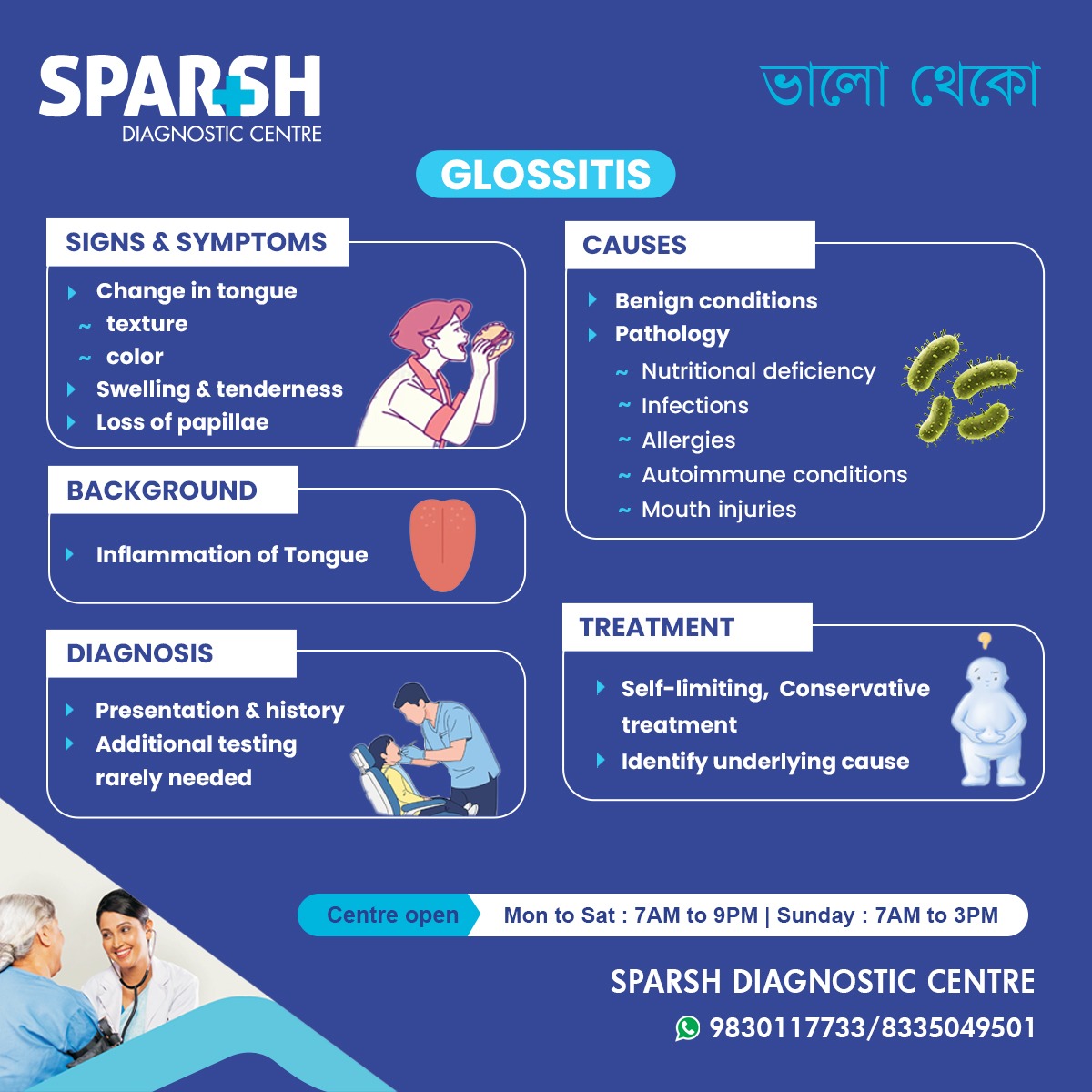
Glossitis is a condition characterized by inflammation of the tongue. Normally, the tongue’s surface is covered with small bumps called papillae, which contain taste buds and give the tongue its slightly rough texture. When glossitis occurs, these papillae can shrink or disappear, making the tongue look smooth, shiny, and swollen.
The inflammation may affect the entire tongue or only certain areas. In many cases, glossitis is not a disease on its own but rather a sign of another underlying condition, such as a nutritional deficiency, infection, or allergic reaction.
Depending on the cause, glossitis may appear suddenly (acute) or develop slowly over time (chronic).
Types of Glossitis
Glossitis can present in several forms depending on the underlying cause and appearance of the tongue.
1. Acute Glossitis
This type develops suddenly and often produces severe symptoms. It may occur due to allergic reactions, infections, or trauma to the tongue.
2. Chronic Glossitis
Chronic glossitis develops gradually and may persist for a long period. It is commonly linked to nutritional deficiencies or systemic medical conditions.
3. Atrophic Glossitis
Atrophic glossitis is marked by the loss of papillae on the tongue’s surface. The tongue becomes smooth, glossy, and often red. This type is frequently associated with vitamin deficiencies.
4. Geographic Tongue
Also known as benign migratory glossitis, this condition produces irregular, map-like patches on the tongue that change location over time. While it may look alarming, it is generally harmless.
Signs and Symptoms of Glossitis
The symptoms of glossitis can vary depending on the severity and cause of the inflammation. Some people experience mild discomfort, while others may notice significant changes in the appearance and function of their tongue.
Common symptoms include:
1. Changes in Tongue Texture
One of the hallmark signs of glossitis is a change in the tongue’s surface. The normally rough texture may become smooth due to the loss of papillae.
2. Color Changes
The tongue may appear red, pale, or unusually bright depending on the underlying condition.
3. Swelling and Tenderness
Inflammation often causes the tongue to swell. In some cases, the swelling can be severe enough to interfere with speaking or swallowing.
4. Pain or Burning Sensation
Many individuals with glossitis experience a burning or painful sensation, particularly when eating spicy or acidic foods.
5. Difficulty Speaking or Swallowing
If the tongue becomes significantly swollen, it may affect speech and swallowing.
6. Loss of Papillae
The small bumps on the tongue may disappear, creating a smooth, shiny surface.
If these symptoms persist for more than a few days or worsen over time, medical evaluation is recommended.
Causes of Glossitis
Glossitis can develop for several reasons, ranging from nutritional deficiencies to infections and immune system disorders.
1. Nutritional Deficiencies
Deficiencies in essential vitamins and minerals are among the most common causes of glossitis. Lack of nutrients affects the health of the tongue tissues and can lead to inflammation.
Important nutrients include:
Folic acid
Riboflavin
For example, Vitamin B12 deficiency can cause the tongue to become swollen, red, and painful.
2. Infections
Certain infections can lead to inflammation of the tongue.
Examples include:
Bacterial infections
Viral infections
Fungal infections such as Oral thrush
In these cases, the infection irritates the tongue’s tissues, triggering inflammation.
3. Allergic Reactions
Allergic reactions to foods, medications, dental products, or mouthwashes can cause sudden swelling and inflammation of the tongue.
Common triggers include:
Toothpaste ingredients
Mouth rinses
Food preservatives
Certain medications
4. Mouth Injuries
Trauma to the tongue may also lead to glossitis. This can occur due to:
Biting the tongue
Burns from hot food or drinks
Irritation from braces or dentures
Sharp or broken teeth
Repeated irritation may worsen the inflammation over time.
5. Autoimmune Conditions
Some autoimmune disorders cause the body’s immune system to attack healthy tissues, including the tongue.
Conditions linked to glossitis include:
These disorders can lead to chronic inflammation and changes in the tongue.
6. Smoking and Alcohol Use
Smoking and excessive alcohol consumption can irritate the tongue’s tissues, increasing the risk of inflammation and glossitis.
7. Dry Mouth
A lack of saliva can lead to irritation and infection of oral tissues, including the tongue.
Risk Factors
Some people are more likely to develop glossitis than others. Risk factors include:
Poor nutrition
Chronic alcohol use
Smoking
Wearing poorly fitting dentures
Certain medications
Underlying autoimmune diseases
Digestive disorders affecting nutrient absorption
Understanding these risk factors can help prevent future episodes.
How is Glossitis Diagnosed
Diagnosing glossitis usually begins with a physical examination and medical history.
1. Clinical Examination
A healthcare provider will examine the tongue for:
Color changes
Swelling
Loss of papillae
Smooth or shiny surfaces
They may also check the mouth, throat, and gums for other signs of infection or irritation.
2. Medical History
Doctors often ask about:
Dietary habits
Medications
Recent illnesses
Smoking or alcohol use
These details help identify possible underlying causes.
3. Blood Tests
Blood tests may be ordered to detect:
Vitamin deficiencies
Iron deficiency
Infections
Immune system disorders
4. Additional Tests
In some cases, further tests may be recommended, such as:
Allergy testing
Oral swabs for infection
Biopsy (rarely needed)
Most cases of glossitis can be diagnosed without invasive procedures.
Treatment Options for Glossitis
Treatment for glossitis focuses on addressing the underlying cause. Once the root issue is treated, the inflammation usually improves.
1. Treating Nutritional Deficiencies
If glossitis is caused by a deficiency, doctors may recommend:
Vitamin supplements
Dietary changes
Iron therapy
A balanced diet rich in fruits, vegetables, lean protein, and whole grains can help restore tongue health.
2. Medications for Infection
If infection is responsible, treatment may include:
Antifungal medications
Antiviral drugs
The choice depends on the type of infection identified.
3. Managing Allergies
Avoiding allergens is essential if an allergic reaction triggers glossitis. Doctors may also prescribe antihistamines or corticosteroids to reduce inflammation.
4. Improving Oral Hygiene
Good oral hygiene plays a key role in preventing irritation and infection.
Helpful practices include:
Brushing teeth twice daily
Cleaning the tongue gently
Flossing regularly
Using alcohol-free mouthwash
5. Pain Relief
For discomfort, doctors may suggest:
Topical anesthetic gels
Anti-inflammatory medications
Avoiding spicy or acidic foods
6. Addressing Underlying Conditions
If glossitis is related to a chronic disease, treating that condition is necessary for long-term relief.
Home Remedies and Self-Care
While medical treatment may be necessary in some cases, certain self-care steps can help reduce symptoms.
Helpful tips include:
Drinking plenty of water
Avoiding tobacco and alcohol
Eating soft, non-spicy foods
Maintaining proper oral hygiene
Taking recommended vitamin supplements
However, persistent symptoms should always be evaluated by a healthcare professional.
When to See a Doctor
Glossitis is often mild, but medical attention is important if:
Symptoms last longer than a week
Tongue swelling interferes with breathing or swallowing
Severe pain develops
You experience recurring episodes
Early diagnosis can help prevent complications and ensure proper treatment.
Possible Complications
If glossitis is left untreated, it may lead to:
Chronic discomfort
Difficulty eating or speaking
Persistent infections
Nutritional problems
Addressing the underlying cause usually prevents these complications.
Preventing Glossitis
Although not all cases can be prevented, several lifestyle habits can reduce the risk.
Maintain a Balanced Diet
Ensure adequate intake of vitamins and minerals, especially iron and B vitamins.
Practice Good Oral Hygiene
Regular brushing, flossing, and dental checkups help prevent infections.
Avoid Irritants
Limit tobacco, alcohol, and overly spicy foods.
Manage Medical Conditions
Proper treatment of underlying illnesses can reduce the likelihood of glossitis.
Frequently Asked Questions (FAQ)
1. Is glossitis a serious condition?
Glossitis is usually not serious, but it can be uncomfortable. In most cases, it improves once the underlying cause—such as a nutritional deficiency or infection—is treated.
2. Can glossitis go away on its own?
Mild cases may resolve on their own, especially if caused by temporary irritation. However, persistent symptoms should be evaluated by a doctor.
3. What does glossitis look like?
The tongue may appear red, swollen, and smooth due to the loss of papillae. It may also look shiny or unusually bright.
4. Is glossitis contagious?
Glossitis itself is not contagious. However, if it is caused by an infection, the underlying infection may spread in certain cases.
5. What foods should be avoided with glossitis?
Spicy, acidic, and very hot foods can worsen irritation. It’s best to choose soft, mild foods while the tongue is healing.
6. Can vitamin deficiencies cause glossitis?
Yes. Deficiencies in vitamin B12, iron, and folic acid are common causes of glossitis.
7. How long does glossitis last?
The duration depends on the cause. Once the underlying problem is treated, symptoms often improve within a few days to a few weeks.
8. Can stress cause glossitis?
Stress itself may not directly cause glossitis, but it can contribute to behaviors or conditions—such as nutritional deficiencies or weakened immunity—that increase the risk.
Glossitis may seem like a minor issue, but it can significantly affect comfort, speech, and eating. Recognizing the early signs—such as tongue swelling, smooth texture, or color changes—can help ensure timely treatment.
In many cases, glossitis is simply the body’s way of signaling an underlying problem, whether it’s a vitamin deficiency, infection, or irritation. By addressing the root cause and maintaining good oral hygiene, most people can recover quickly and prevent future episodes.
If you notice persistent changes in your tongue, consulting a healthcare professional is always the safest step toward protecting your oral and overall health.
To consult a Doctor at Sparsh Diagnostic Centre, call our helpline numbers 9830117733/ 8335049501.
#BhaloTheko
Disclaimer:
No content on this site, regardless of date, should ever be used as a substitute for direct medical advice from your doctor or other qualified clinician.




Highly descriptive blog, I liked that a lot. Will there be a
part 2?