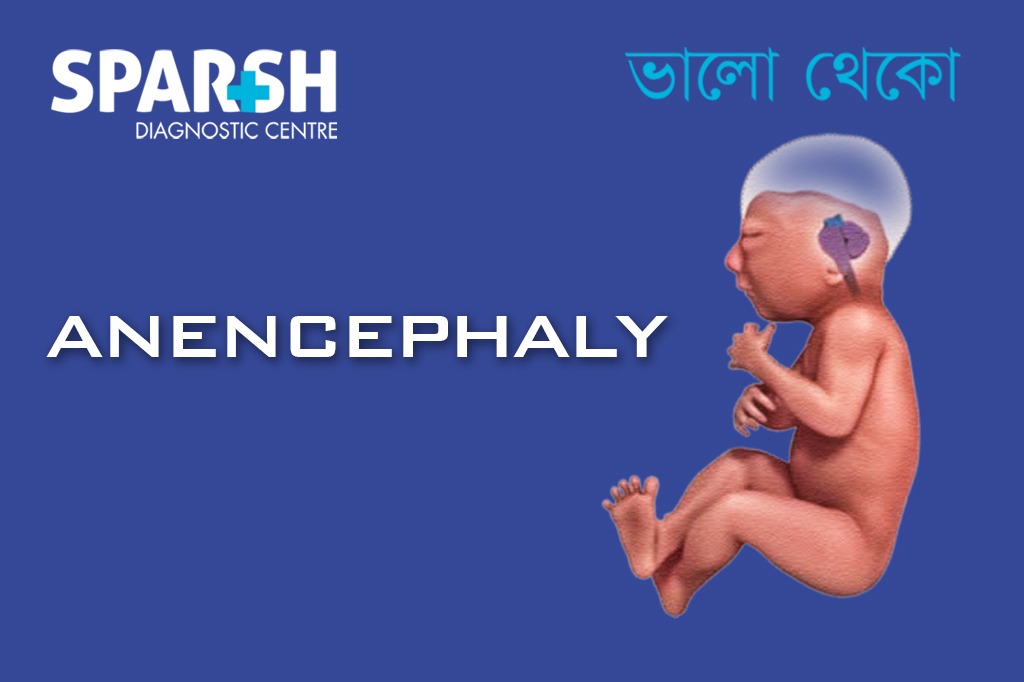
Anencephaly is one of the most severe birth defects affecting the brain and skull. It happens very early in pregnancy, when critical parts of a baby’s brain and head do not form properly. Specifically, large portions of the forebrain, cerebrum, and skull are missing. Doctors classify it as a neural tube defect (NTD).
Because the parts of the brain responsible for thinking, awareness, and voluntary movement do not develop, anencephaly is not compatible with long-term survival. Many affected pregnancies end in miscarriage or stillbirth, and babies who are born alive usually survive only for a few hours or days.
It is an incredibly painful diagnosis for families. Still, understanding what causes anencephaly, how it is detected, and how it can often be prevented can help parents make informed decisions and reduce risks in future pregnancies.
What Exactly Is Anencephaly?
Anencephaly is a congenital condition, meaning it is present at birth. It occurs when the neural tube — the structure that eventually becomes the brain and spinal cord — does not close properly at the top (head) end during early development.
This process happens within the first 3 to 4 weeks of pregnancy, often before a woman even realizes she is pregnant. If the upper part of the neural tube fails to close, the brain and skull cannot form as they should.
As a result:
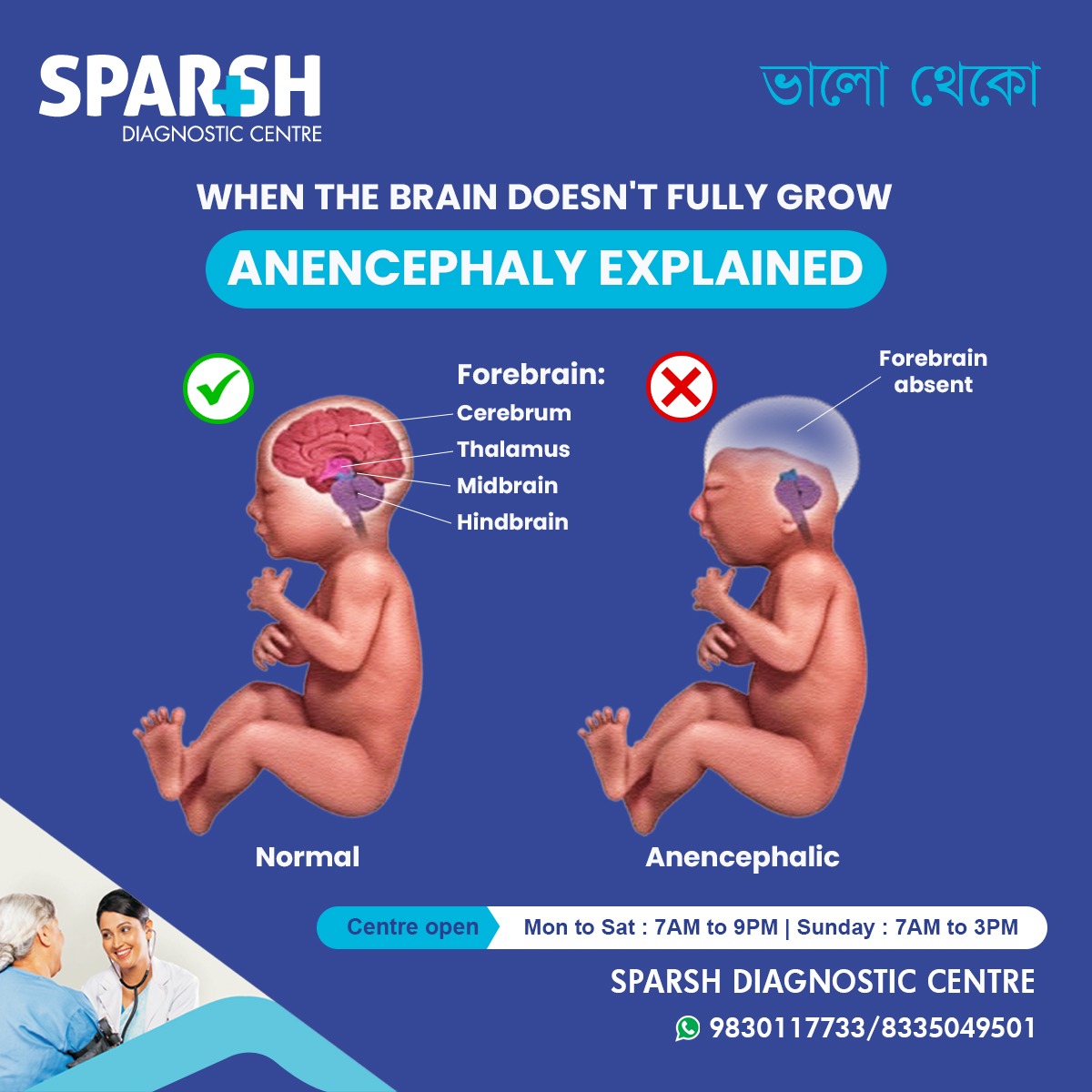
Large parts of the brain, especially the cerebrum, are missing
The skull bones may be partially or completely absent
The baby cannot develop consciousness or awareness
Anencephaly is considered a lethal condition, meaning survival beyond a short period after birth is extremely rare.
How Common Is Anencephaly?
Anencephaly affects about:
1 in 1,000 pregnancies worldwide
Around 1 in 4,600 live births (since many affected pregnancies end earlier)
Rates vary depending on nutrition, access to prenatal care, and whether folic acid fortification programs are in place.
If a woman has previously had a pregnancy affected by a neural tube defect, the risk is slightly higher in future pregnancies.
What Causes Anencephaly?
There isn’t a single cause. Anencephaly usually develops due to a combination of genetic tendencies and environmental factors.
Folic Acid Deficiency
The most important and preventable risk factor is low folic acid levels before and during early pregnancy.
Folic acid (vitamin B9) plays a key role in:
DNA formation
Cell growth and division
Proper closure of the neural tube
A lack of folic acid during the first 28 days of pregnancy significantly increases the risk.
Genetic Factors
Anencephaly is not typically inherited in a clear, predictable way. However, some families may have a higher underlying risk.
If a woman has had:
One baby with a neural tube defect → the recurrence risk is about 2–3%
Two affected pregnancies → the risk increases further
Maternal Diabetes
Poorly controlled diabetes before pregnancy raises the chances of neural tube defects.
Obesity
Research shows that maternal obesity is linked to a higher risk of neural tube defects, including anencephaly.
Certain Medications
Some anti-seizure medications, such as valproic acid, may increase the risk when taken during early pregnancy. Any medication should be reviewed with a doctor before conception.
High Temperature Exposure
Frequent exposure to high heat (such as prolonged fever, hot tubs, or saunas) in very early pregnancy may slightly increase risk.
How Does Anencephaly Develop?
To understand anencephaly, it helps to know how early brain development works.
Around weeks 3 to 4 of pregnancy:
A flat structure called the neural plate forms.
It folds into a tube.
The tube closes at both ends.
If the upper (cranial) end fails to close, the forebrain cannot form properly. This leads to:
Absence of the cerebrum
Missing skull bones
Exposed brain tissue
Since the cerebrum controls consciousness and higher thinking, babies with anencephaly cannot develop awareness.
Signs and Physical Features
Anencephaly is usually visible at birth and often detected during pregnancy.
Common physical features include:
Missing the top portion of the skull
Large parts of the brain absent
Flattened or abnormal facial features
Absent scalp
Prominent or bulging eyes
In some cases, the brainstem may partially function. This means a baby may:
Breathe on their own briefly
Show basic reflexes
Cry for a short time
However, higher brain function is not present.
How Is Anencephaly Diagnosed?
In most cases, anencephaly is identified during routine prenatal screening.
Ultrasound
An ultrasound between 11–14 weeks, or during the detailed 18–20 week scan, can clearly show missing skull bones and absent cerebral hemispheres. It is one of the more easily detectable birth defects on imaging.
Maternal Blood Test (AFP)
High levels of alpha-fetoprotein (AFP) in the mother’s blood may suggest a neural tube defect.
Amniocentesis
This test measures AFP levels in the amniotic fluid and can confirm the diagnosis.
Is There Any Treatment?
Unfortunately, there is no cure or corrective treatment for anencephaly.
Because critical parts of the brain never develop, survival beyond a few hours or days is extremely unlikely.
Medical care focuses on:
Comfort care for the baby
Emotional and psychological support for parents
Palliative care planning
Managing Pregnancy After Diagnosis
A prenatal diagnosis of anencephaly is devastating. Parents may face deeply personal and difficult decisions.
Options may include:
Continuing the pregnancy and planning palliative care
Considering termination, depending on gestational age and local laws
Healthcare teams usually provide:
Genetic counseling
Mental health support
High-risk obstetric monitoring
Some pregnancies may develop complications such as excess amniotic fluid (polyhydramnios) or preterm labor.
Can Anencephaly Be Prevented?
In many cases, yes.
One of the most effective preventive measures is adequate folic acid intake.
Folic Acid Supplements
All women of childbearing age should take:
400 micrograms (mcg) daily before conception
Continue through early pregnancy
Women who have previously had a neural tube defect–affected pregnancy may need a higher dose (4 mg daily) under medical supervision.
Ideally, supplementation should begin at least one month before becoming pregnant.
Folic Acid–Rich Foods
Foods naturally high in folate include:
Leafy green vegetables
Lentils and beans
Citrus fruits
Fortified cereals
Whole grains
However, diet alone is often not enough — supplements are strongly recommended.
Managing Overall Health
Keep diabetes well-controlled before pregnancy
Maintain a healthy weight
Review medications with a healthcare provider
The Emotional Impact on Families
The emotional toll of anencephaly cannot be overstated. Many parents experience intense grief, shock, and even guilt — though it is important to remember that this condition is rarely anyone’s fault.
Counseling, support groups, and genetic guidance can help families cope and prepare for future pregnancies.
How Is Anencephaly Different from Other Neural Tube Defects?
Anencephaly is often confused with other conditions.
Spina Bifida
This affects the lower part of the neural tube and involves the spinal cord. Many children with spina bifida survive and may receive treatment.
Encephalocele
In this condition, brain tissue protrudes through an opening in the skull. Some cases are surgically treatable.
Anencephaly is the most severe form because most of the brain does not develop.
Future Pregnancy and Recurrence Risk
After one affected pregnancy, the recurrence risk is slightly higher, around 2–3%.
However, taking high-dose folic acid before and during early pregnancy significantly reduces the risk.
Doctors often recommend:
Preconception consultation
Early ultrasound monitoring
Proper folic acid supplementation
With appropriate preventive care, many women go on to have healthy pregnancies.
Public Health Efforts
Many countries now fortify flour and other staple foods with folic acid. These programs have significantly reduced neural tube defects in several regions.
However, in areas without fortification or limited access to prenatal care, risks remain higher.
Frequently Asked Questions (FAQ)
What causes anencephaly?
It happens when the neural tube fails to close properly in early pregnancy. Folic acid deficiency is a major preventable risk factor, but genetics and environmental factors may also play a role.
Can a baby survive with anencephaly?
Most babies are stillborn or survive only a few hours or days after birth. Long-term survival is extremely rare.
Is anencephaly hereditary?
It is not usually inherited in a predictable way, but having one affected pregnancy slightly increases the risk in future pregnancies.
When does anencephaly develop?
It develops within the first 3–4 weeks of pregnancy, often before a woman knows she is pregnant.
Can folic acid prevent anencephaly?
Yes. Taking 400 mcg daily before and during early pregnancy significantly lowers the risk.
How early can it be detected?
Anencephaly can often be detected by ultrasound as early as 11–14 weeks.
Is surgery possible?
No. Because large portions of the brain are absent, surgery cannot correct the condition.
Does the baby feel pain?
Babies with anencephaly lack the cerebrum, which is responsible for consciousness and pain perception. They are not believed to experience pain in the typical sense.
What is the recurrence risk?
After one affected pregnancy, the recurrence risk is about 2–3%. High-dose folic acid reduces this risk.
Can lifestyle changes help reduce risk?
Yes. Taking folic acid, managing chronic conditions, maintaining a healthy weight, and reviewing medications with a doctor all help reduce risk.
Anencephaly is a severe and life-limiting condition that develops very early in pregnancy. While there is no cure, prevention through proper folic acid intake is highly effective.
Early prenatal screening allows families to understand the diagnosis, consider their options, and receive appropriate support. With awareness, education, and supplementation, many cases of anencephaly can be prevented.
If you are planning a pregnancy or are in the early stages, speak with your healthcare provider about folic acid and prenatal screening. Taking simple steps early can make a significant difference.
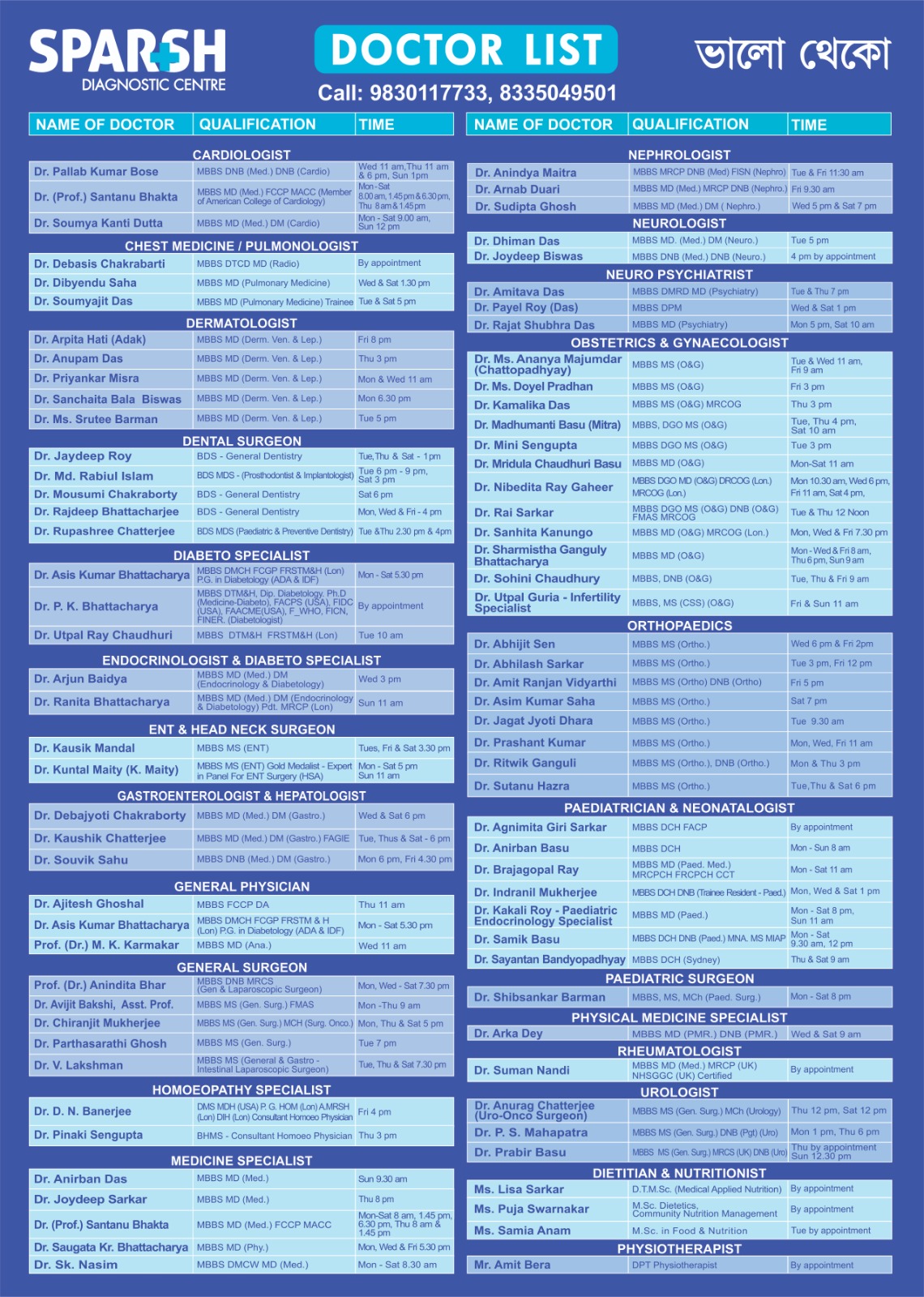
To consult a Gynecologist at Sparsh Diagnostic Centre, call our helpline number 9830117733.
#BhaloTheko
Disclaimer:
No content on this site, regardless of date, should ever be used as a substitute for direct medical advice from your doctor or other qualified clinician.
Sparsh Diagnostic Centre Doctor List