Trichophagia is a rare but potentially serious psychological and medical condition in which an individual compulsively eats hair. The term originates from the Greek words tricho (hair) and phagia (eating). While it is most commonly associated with trichotillomania—a disorder characterized by repetitive hair pulling—not everyone with trichotillomania develops trichophagia.
Over time, ingested hair can accumulate in the gastrointestinal tract, leading to significant digestive complications. Early recognition and appropriate management are crucial to prevent severe health outcomes.
What Is Trichophagia?
Trichophagia is classified as an impulse control and compulsive behavior disorder. It typically occurs alongside psychiatric conditions such as:
Trichotillomania
In many cases, individuals may eat hair subconsciously, especially during periods of stress, boredom, or emotional distress. Because hair is indigestible, it can accumulate in the stomach or intestines, forming a trichobezoar—a compact mass of hair.
Relationship Between Trichophagia and Trichotillomania
Trichotillomania involves repetitive hair pulling from the scalp, eyebrows, eyelashes, or other body areas. Trichophagia may develop when the pulled hair is:
Chewed
Swallowed whole
Ingested repeatedly over time
Not all individuals with trichotillomania consume hair, but studies suggest that 5–20% of affected individuals may develop trichophagia. Among them, a smaller percentage go on to develop gastrointestinal complications.
Causes and Risk Factors
Trichophagia does not have a single cause. Instead, it results from a combination of psychological, emotional, and environmental factors.
Psychological Factors
Anxiety and chronic stress
Poor impulse control
Emotional trauma
Behavioral and Emotional Triggers
Coping mechanism for negative emotions
Habit formation during childhood or adolescence
Sensory gratification
Demographic Risk Factors
More common in children and adolescents
Often underreported due to embarrassment
Signs and Symptoms of Trichophagia
Symptoms can be divided into behavioral and physical manifestations. Many individuals hide the behavior, making diagnosis challenging.
Behavioral Symptoms
Repeated hair pulling and eating
Playing with hair near the mouth
Chewing hair ends
Avoidance of social situations
Gastrointestinal Symptoms
As hair accumulates in the digestive tract, symptoms may include:
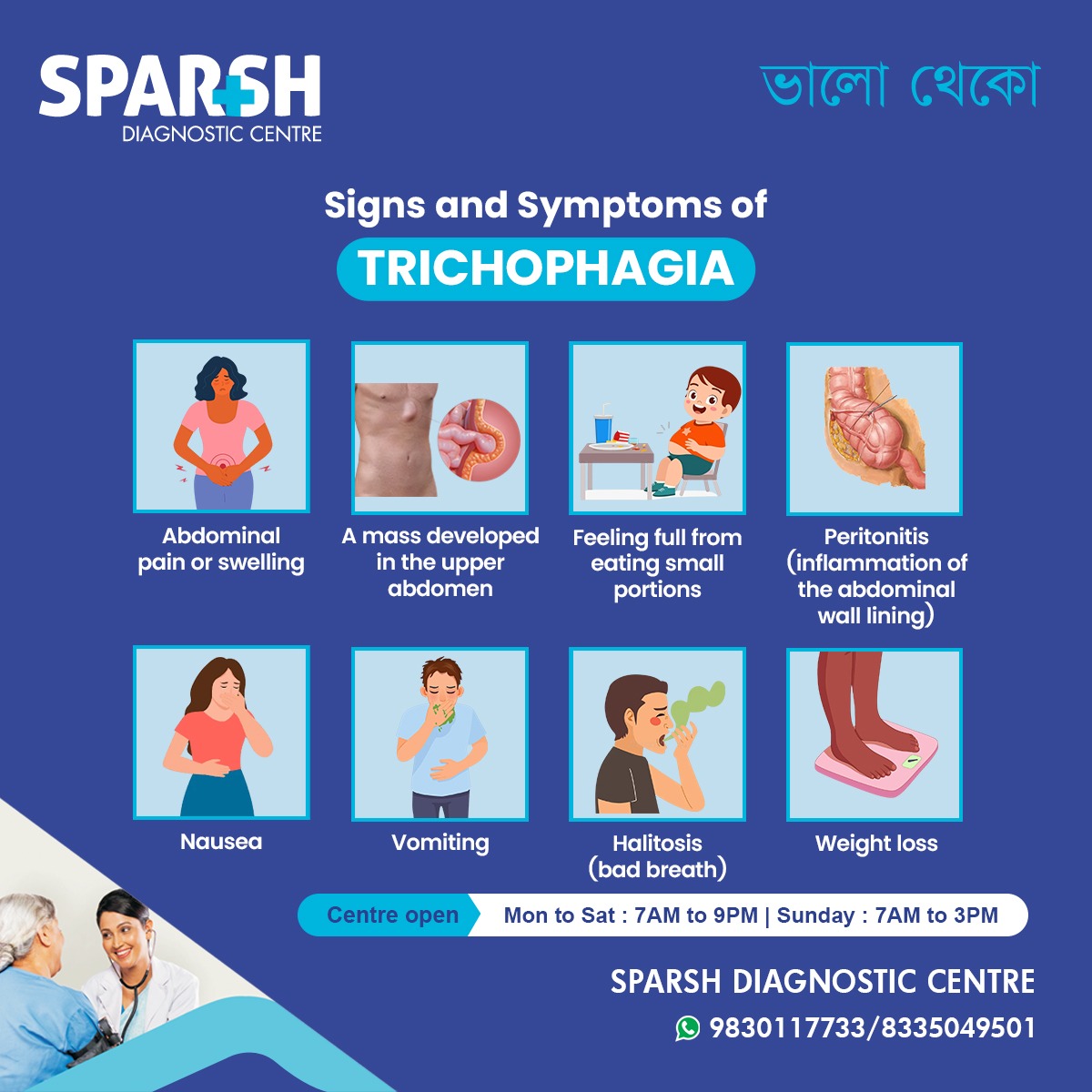
Abdominal pain or swelling
Feeling full after eating small portions
Constipation or bowel obstruction
Severe Complications
If untreated, trichophagia can lead to:
Trichobezoar formation
Gastric or intestinal obstruction
Ulceration or bleeding
Perforation of the stomach or intestines
Peritonitis (life-threatening inflammation of the abdominal lining)
A rare but serious condition known as Rapunzel syndrome occurs when a trichobezoar extends from the stomach into the intestines.
Diagnosis of Trichophagia
Diagnosis often requires a multidisciplinary approach, involving both mental health professionals and medical specialists.
Clinical Evaluation
Detailed behavioral history
Assessment of psychiatric symptoms
Family observations (especially in children)
Imaging and Diagnostic Tests
To identify gastrointestinal complications, doctors may recommend:
Abdominal ultrasound
CT scan of the abdomen
Upper gastrointestinal endoscopy
Blood tests to assess nutritional deficiencies or anemia
Early diagnosis significantly reduces the risk of surgical intervention.
Treatment and Management
Treatment focuses on both the behavioral disorder and its medical consequences.
Psychological Treatment
Psychotherapy is the cornerstone of trichophagia management.
Cognitive Behavioral Therapy (CBT)
Habit Reversal Training (HRT)
Stress management and coping strategies
Family counseling (for children and adolescents)
Medical and Surgical Treatment
If hair accumulation has caused complications:
Endoscopic removal for small trichobezoars
Surgical removal for large or obstructive masses
Treatment of nutritional deficiencies
Medications
In selected cases, medications may help manage underlying psychiatric conditions:
Selective serotonin reuptake inhibitors (SSRIs)
Anti-anxiety medications
Mood stabilizers (when indicated)
Medication is typically used alongside therapy, not as a standalone treatment.
Prevention and Long-Term Outlook
With early intervention, the prognosis for trichophagia is generally good. Preventive strategies include:
Early identification of hair-pulling behaviors
Stress reduction techniques
Ongoing psychological support
Regular follow-up for relapse prevention
Parents and caregivers play a crucial role in recognizing early signs and encouraging professional help without judgment.
When to See a Doctor
Medical attention should be sought if an individual experiences:
Persistent abdominal pain or bloating
Recurrent vomiting
Sudden weight loss
Known hair-eating behavior with digestive symptoms
Prompt evaluation can prevent serious and life-threatening complications.
Frequently Asked Questions (FAQs)
1. Is trichophagia a mental illness?
Yes. Trichophagia is considered a compulsive behavior disorder and is often associated with underlying mental health conditions such as trichotillomania or anxiety disorders.
2. Can trichophagia be cured?
While there is no single “cure,” trichophagia can be effectively managed with behavioral therapy, psychological support, and treatment of complications.
3. Is trichophagia dangerous?
It can be. Long-term hair ingestion may lead to trichobezoars, intestinal obstruction, and serious infections if left untreated.
4. Who is most affected by trichophagia?
It is more commonly seen in children, adolescents, and young adults, particularly females, though it can affect people of any age or gender.
5. How is trichophagia different from pica?
Pica involves eating non-food substances such as clay or paper, whereas trichophagia specifically involves eating hair.
6. Can children outgrow trichophagia?
Some mild cases may resolve with age, but persistent behavior usually requires psychological intervention to prevent complications.
7. How is a trichobezoar detected?
Imaging studies such as ultrasound, CT scans, or endoscopy are commonly used to detect hair masses in the gastrointestinal tract.
8. Can trichophagia recur after treatment?
Yes, relapse is possible, especially if underlying psychological triggers are not addressed. Long-term follow-up is important.
Trichophagia is more than a habit—it is a complex condition that bridges mental health and gastrointestinal medicine. Early recognition, compassionate care, and a multidisciplinary treatment approach can prevent serious complications and significantly improve quality of life. Awareness among patients, families, and healthcare providers is essential for timely diagnosis and effective management.
#BhaloTheko
Disclaimer:
No content on this site, regardless of date, should ever be used as a substitute for direct medical advice from your doctor or other qualified clinician.
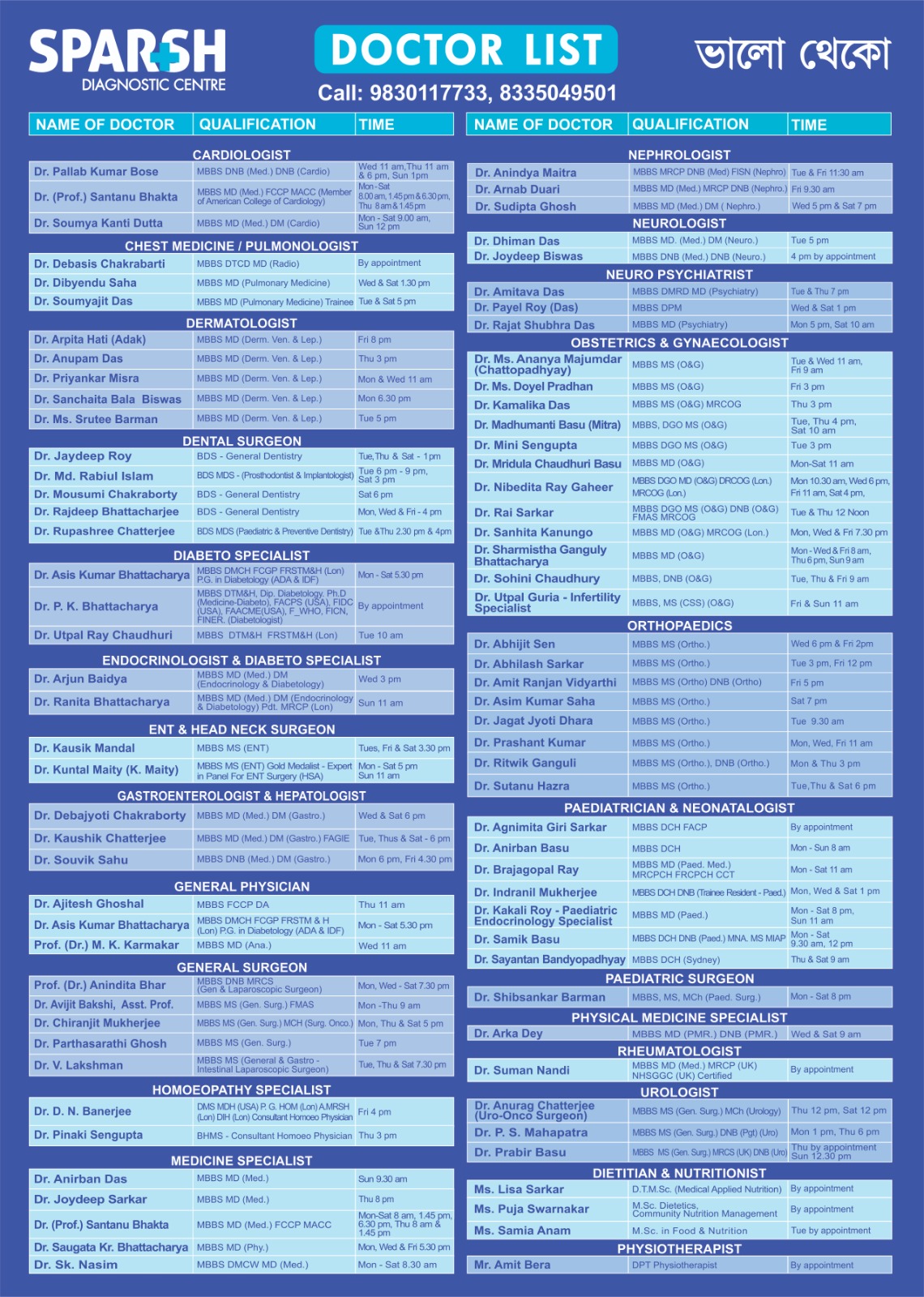
Sparsh Doctor List