


Winter brings pleasant weather, cooler mornings and opportunities to enjoy outdoor activities. However, it also brings an environmental challenge that deserves attention: rising air pollution. In cities like Kolkata, winter air quality can deteriorate due to vehicle emissions, construction dust, industrial pollution, waste burning and unfavourable weather conditions that prevent pollutants from dispersing.
The combination of cold air and rising pollution levels can put additional stress on the respiratory system. Fine particulate matter, particularly PM2.5, can travel deep into the lungs, irritate the airways and aggravate existing respiratory conditions. Even people who do not have a history of lung disease may experience coughing, throat irritation, wheezing or breathing discomfort.
Children, older adults, pregnant women and individuals living with asthma, chronic obstructive pulmonary disease (COPD) or other respiratory conditions may be particularly vulnerable.
While we cannot control outdoor air quality individually, we can take practical steps to reduce our exposure and support better respiratory health.
In this article, we explore how winter air pollution affects the lungs and discuss effective ways to protect your respiratory system throughout the colder months.
Why Does Air Pollution Often Increase During Winter?
Have you noticed that the air sometimes looks hazy or feels heavier during winter mornings? This may be associated with the accumulation of pollutants near ground level.
Several environmental and human factors contribute to worsening winter air quality.
1. Temperature inversion
Normally, warmer air near the ground rises and helps pollutants disperse. During a temperature inversion, a layer of warmer air sits above cooler air near the surface. This can restrict vertical air movement and trap pollutants closer to the ground.
2. Reduced wind speed
Low wind speeds make it difficult for pollutants to disperse. Emissions from vehicles, factories and construction activities may consequently remain concentrated in the surrounding environment.
3. Increased emissions
Vehicle exhaust, industrial activities, construction dust, burning of waste and other sources continue contributing to pollution throughout winter.
4. Formation of smog
Smog develops when pollutants accumulate and interact with atmospheric conditions. It can reduce visibility and expose people to harmful airborne particles and gases.
5. Increased indoor pollution
People tend to keep windows and doors closed during colder months. This can allow indoor pollutants from cooking, smoking, incense sticks and other sources to accumulate.
Understanding these factors is the first step towards making informed decisions about protecting your lungs.
How Does Winter Air Pollution Affect Your Lungs?
Your respiratory system has natural defence mechanisms designed to filter, trap and remove unwanted particles. Mucus and tiny hair-like structures called cilia help prevent harmful substances from reaching deeper parts of the lungs.
However, prolonged or intense exposure to air pollution can overwhelm these natural protective mechanisms.
One of the biggest concerns is particulate matter.
PM2.5 refers to fine airborne particles with a diameter of 2.5 micrometres or smaller. Because of their extremely small size, these particles can penetrate deep into the respiratory system and contribute to inflammation.
Some potential effects of winter air pollution include:
- Airway irritation: Pollutants can irritate the respiratory tract, resulting in coughing, throat discomfort and nasal irritation.
- Increased mucus production: Exposure to pollutants may stimulate mucus production, contributing to congestion and persistent coughing.
- Airway inflammation: Repeated exposure can trigger inflammation in the respiratory system.
- Breathing difficulties: Sensitive airways may become narrower, causing wheezing, chest tightness and breathlessness.
- Worsening of existing conditions: People with asthma, COPD and other respiratory disorders may experience more frequent symptoms or flare-ups.
Long-term exposure to air pollution is also associated with an increased risk of developing respiratory and cardiovascular diseases.
It is important to remember that the effects depend on the concentration of pollutants, duration of exposure and an individual’s overall health.
Common Symptoms of Winter Air Pollution Exposure
Not everyone experiences the effects of polluted air in the same way. Some people may notice mild irritation, while others may develop more significant respiratory symptoms.
Common warning signs include:
- Persistent dry cough or cough with mucus.
- Irritation or discomfort in the throat.
- Wheezing or whistling sounds while breathing.
- Shortness of breath during routine activities.
- Chest tightness or discomfort.
- Frequent sneezing and nasal congestion.
- Burning or watering eyes.
- Reduced exercise tolerance.
These symptoms can also occur due to respiratory infections, allergies, asthma and other medical conditions. Therefore, persistent or recurring symptoms should not automatically be attributed to air pollution.
Who Is Most Vulnerable to Winter Air Pollution?
Although polluted air can affect everyone, certain individuals may face a greater risk of respiratory complications.
Children: Their lungs are still developing, and they may breathe more air relative to their body weight than adults. Exposure to pollutants can aggravate respiratory symptoms and affect lung development.
Older adults: Age-related changes in respiratory function and existing health conditions may make older individuals more susceptible to the effects of pollution.
People with asthma: Cold air, smoke, dust and particulate pollution can trigger airway inflammation and narrowing, resulting in coughing, wheezing and breathing difficulties.
People with COPD: Air pollution may aggravate coughing, mucus production and breathlessness. Severe flare-ups may require medical attention.
Pregnant women: Exposure to air pollution is associated with adverse pregnancy outcomes. Reducing unnecessary exposure is an important precaution.
Outdoor workers: People who spend long hours near busy roads, construction sites or industrial areas may experience greater cumulative exposure to pollutants.
These groups should take additional precautions during periods of poor air quality.
10 Tips to Protect Your Lungs from Winter Air Pollution
Protecting your lungs does not require complicated lifestyle changes. A combination of sensible precautions, healthier habits and awareness of local air quality can help reduce your exposure to harmful pollutants.
Here are ten practical measures to follow.
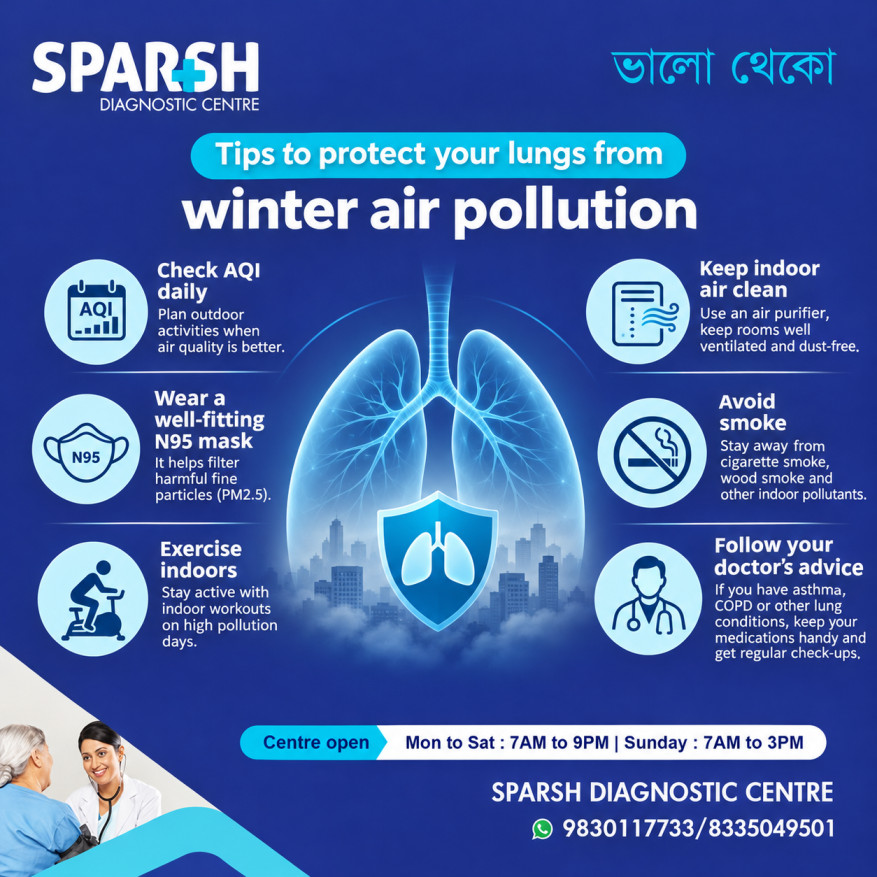
1. Check the Air Quality Index (AQI) daily
One of the simplest ways to protect your lungs is to monitor the Air Quality Index before planning outdoor activities.
The AQI provides information about the level of air pollution and its potential health effects.
India’s National AQI classifies air quality into six categories:
- Good (0–50): Minimal health impact.
- Satisfactory (51–100): Minor breathing discomfort may occur in sensitive individuals.
- Moderate (101–200): People with lung disease, asthma, children and older adults may experience breathing discomfort.
- Poor (201–300): Prolonged exposure may cause breathing discomfort in many people.
- Very poor (301–400): Prolonged exposure may increase the risk of respiratory illness.
- Severe (401–500): Health effects may occur even in healthy individuals, with more serious consequences for people with existing respiratory or cardiovascular conditions.
Check reliable AQI updates before going for a morning walk, exercising outdoors or taking children to a playground.
When pollution levels are high, reduce prolonged outdoor exertion and follow local health advisories.
2. Wear a properly fitted N95 mask
If you need to travel through heavily polluted areas, a properly fitted N95 respirator can help reduce exposure to airborne particles, including PM2.5.
However, the effectiveness of a mask depends on its quality, fit and correct usage.
Keep the following points in mind:
- Choose a certified N95 or equivalent respirator.
- Ensure that it covers both your nose and mouth.
- Check that there are no significant gaps around the edges.
- Replace disposable respirators when they become damaged, dirty or difficult to breathe through.
- Avoid relying on ordinary cloth masks for protection against fine particulate pollution.
An important distinction is that N95 respirators filter airborne particles but do not protect against every harmful gas or vapour.
People with existing heart or lung conditions should seek medical advice if wearing a respirator causes discomfort or breathing difficulties.
3. Keep indoor air clean
Staying indoors does not automatically guarantee protection from air pollution.
Cooking fumes, tobacco smoke, incense sticks, mosquito coils, cleaning sprays and dust can contribute to indoor air pollution.
To improve indoor air quality:
- Avoid smoking inside your home.
- Limit the use of incense sticks and other indoor burning sources.
- Use kitchen exhaust fans while cooking.
- Clean floors and furniture regularly.
- Use a damp cloth instead of dry dusting to minimise airborne dust.
- Wash curtains, bedsheets and blankets regularly.
- Avoid using strong room fresheners and aerosol sprays unnecessarily.
Maintaining a cleaner indoor environment is particularly important for children, older adults and people with respiratory conditions.
4. Consider using a HEPA air purifier
A good-quality air purifier with a suitable High-Efficiency Particulate Air (HEPA) filter can help reduce airborne particles inside enclosed spaces.
It may be particularly useful in bedrooms and frequently occupied rooms during periods of high outdoor pollution.
When choosing an air purifier, consider:
- The size of the room.
- The purifier’s Clean Air Delivery Rate (CADR).
- The quality and availability of replacement filters.
- Noise levels.
- Maintenance requirements.
Avoid devices that intentionally generate ozone, as ozone can irritate the respiratory system.
Remember that an air purifier is not a complete substitute for reducing pollution at its source or maintaining appropriate ventilation.
5. Avoid strenuous outdoor exercise on highly polluted days
Regular physical activity is important for maintaining good lung and cardiovascular health. However, exercising in heavily polluted environments can increase the amount of polluted air you inhale.
During high-pollution days:
- Move your workout indoors.
- Avoid jogging or cycling near busy roads.
- Reduce strenuous outdoor activity.
- Choose indoor walking, stretching or other suitable exercises.
- Check AQI levels before planning outdoor fitness activities.
Do not stop exercising altogether. Instead, adjust the timing, location and intensity of your workouts according to air quality conditions.
6. Stay hydrated throughout the day
Many people drink less water during winter because they do not feel as thirsty as they do in summer.
However, maintaining adequate hydration remains important.
Water helps maintain normal mucus consistency, allowing the respiratory system to clear secretions more effectively.
You can support hydration by:
- Drinking water regularly.
- Including soups and other fluids in your diet.
- Eating fruits with high water content.
- Avoiding excessive consumption of caffeinated beverages if they interfere with your hydration habits.
Warm water may provide temporary comfort if your throat feels irritated, but it does not remove pollutants from the lungs or reverse pollution-related damage.
7. Follow a balanced, antioxidant-rich diet
Nutrition plays an important role in maintaining overall health and supporting normal immune function.
A balanced diet containing fruits, vegetables, nuts, seeds and whole grains provides essential vitamins, minerals and antioxidants.
Consider including:
- Vitamin C: Oranges, amla, guava, lemons and other citrus fruits.
- Vitamin E: Almonds, sunflower seeds and other nuts.
- Beta-carotene: Carrots, pumpkin and sweet potatoes.
- Leafy vegetables: Spinach, fenugreek and other green vegetables.
- Protein-rich foods: Lentils, beans, chickpeas, paneer and other suitable protein sources.
These foods support normal bodily functions and help maintain overall health.
However, no particular food, juice or supplement can detoxify the lungs or completely protect them from air pollution.
8. Protect yourself from cold, dry air
Cold air can irritate the respiratory tract, particularly in people with asthma or other sensitive airways.
When stepping outside:
- Cover your nose and mouth with a scarf or suitable face covering.
- Try breathing through your nose rather than your mouth.
- Avoid sudden exposure to very cold air when possible.
- Wear appropriate winter clothing.
- Warm up gradually before exercising outdoors.
These measures can help reduce irritation caused by cold, dry air.
9. Avoid smoking and exposure to secondhand smoke
Tobacco smoke contains numerous harmful chemicals and fine particles that can damage the respiratory system.
Smoking also increases the risk of chronic bronchitis, COPD, lung cancer and other serious health conditions.
During winter, when pollution levels may already be elevated, additional exposure to tobacco smoke can further increase the burden on your respiratory system.
Avoid:
- Cigarette and bidi smoking.
- Secondhand tobacco smoke.
- Indoor hookah smoking.
- Burning wood or coal in poorly ventilated spaces.
Quitting smoking is one of the most important steps you can take to protect your long-term lung health.
10. Follow your doctor’s advice and stay up to date with vaccinations
People with asthma, COPD and other respiratory conditions should be particularly careful during winter.
Continue taking prescribed medications and inhalers as directed. Do not stop treatment simply because symptoms have improved.
Speak to your doctor about:
- Reviewing your existing treatment plan.
- Recognising early signs of respiratory flare-ups.
- Correct inhaler technique.
- Whether you need influenza or pneumococcal vaccination.
- When to seek urgent medical attention.
Regular medical consultations can help identify problems early and reduce the risk of complications.
How to Keep Lungs Healthy in Air Pollution?
Keeping your lungs healthy in polluted environments requires a combination of preventive measures and consistent lifestyle habits.
Here are some important practices:
Reduce exposure: Check the AQI and avoid spending unnecessary time in heavily polluted areas.
Maintain indoor air quality: Reduce indoor smoke, cooking fumes and dust. Use appropriate ventilation and air filtration where possible.
Stay physically active: Regular exercise supports cardiovascular fitness and respiratory muscle function. Choose cleaner environments and indoor workouts when outdoor pollution is high.
Eat a balanced diet: Include vegetables, fruits, whole grains and protein-rich foods to support overall health.
Avoid tobacco: Both active smoking and secondhand smoke can damage lung tissue.
Manage existing respiratory conditions: Follow prescribed treatment and attend regular medical appointments.
It is worth remembering that healthy lifestyle habits support lung function but cannot completely prevent the harmful effects of prolonged exposure to air pollution.
How to Protect Lungs Naturally?
There is no natural remedy that can completely shield your lungs from polluted air. However, several everyday habits can support respiratory health.
Some practical approaches include:
- Drinking adequate water throughout the day.
- Eating a balanced diet rich in fruits and vegetables.
- Practising gentle physical activity in a clean environment.
- Avoiding smoking and indoor pollutants.
- Maintaining a clean and dust-free home.
- Getting adequate sleep.
- Practising relaxed breathing exercises when appropriate.
Breathing exercises such as diaphragmatic breathing and pursed-lip breathing may help some people improve breathing control, particularly those with certain chronic respiratory conditions.
However, these exercises do not remove PM2.5 particles from the lungs or reverse the effects of pollution.
Similarly, steam inhalation may temporarily relieve nasal congestion for some individuals, but it does not cure pollution-related breathing problems. Hot steam also carries a risk of burns.
Be cautious of products advertised as lung detox remedies. The lungs have their own natural mechanisms for clearing mucus and particles, and no herbal drink or supplement has been proven to cleanse them of pollution.
Is Breathing in Cold Air Bad for Your Lungs?
Breathing cold air is not necessarily harmful to everyone. However, cold and dry air can irritate the respiratory tract and trigger symptoms in susceptible individuals.
When you inhale through your nose, the air is naturally warmed and humidified before reaching the lower respiratory tract.
During very cold conditions, this protective process may not be sufficient to prevent airway irritation.
Cold air can cause:
- Temporary airway narrowing.
- Increased coughing.
- Wheezing.
- Chest tightness.
- Shortness of breath.
People with asthma may be particularly sensitive because their airways are already prone to inflammation and narrowing.
The combination of cold air and pollution can make symptoms more noticeable.
Covering your nose and mouth outdoors, breathing through your nose and avoiding strenuous exercise in very cold or polluted conditions can help reduce discomfort.
If cold air repeatedly triggers breathing difficulties, consult a healthcare professional to check for underlying respiratory conditions.
How to Cure Breathing Problems in Winter?
The treatment for breathing problems during winter depends on the underlying cause.
A mild cough caused by temporary throat irritation may improve with adequate hydration and reduced exposure to irritants. However, persistent breathlessness, wheezing or chest tightness may indicate asthma, COPD, respiratory infection or another medical condition.
There is no single cure for all winter-related breathing problems.
Depending on the diagnosis, a doctor may recommend:
- Medications: Treatment may include prescribed inhalers, bronchodilators or other medicines depending on the underlying condition.
- Asthma management: People with asthma may need a review of their treatment plan and inhaler technique.
- Treatment of respiratory infections: Bacterial infections may require specific treatment, while antibiotics are not effective against viral infections.
- Lifestyle modifications: Avoiding smoke, reducing pollution exposure and maintaining suitable indoor air quality can help.
- Respiratory support: Severe breathing difficulties may require hospital-based treatment and oxygen support.
Do not start antibiotics, steroids or inhalers without appropriate medical advice.
Seek immediate medical attention if you experience severe breathlessness, difficulty speaking because of breathing problems, blue or grey lips, confusion, fainting or severe chest pain.
Persistent breathing problems should never be dismissed as simply a consequence of cold weather.
When Should You Consult a Doctor for Winter Breathing Problems?
It is important to recognise when respiratory symptoms require professional evaluation.
Consult a doctor if you experience:
- A cough that persists or repeatedly returns.
- Wheezing or recurring chest tightness.
- Breathlessness during routine activities.
- Increased mucus production.
- Repeated respiratory infections.
- Worsening symptoms of asthma or COPD.
- Reduced ability to perform everyday physical activities.
Depending on your symptoms and medical history, your doctor may recommend investigations to assess your respiratory health.
These may include:
Spirometry: A lung function test that measures how much air you can breathe out and how quickly you can do so. It is commonly used to assess conditions such as asthma and COPD.
Pulse oximetry: A non-invasive test that estimates oxygen saturation in the blood.
Chest X-ray: May be recommended when a doctor needs to investigate certain respiratory symptoms or suspected lung conditions.
Not everyone needs these investigations. The appropriate tests depend on the clinical assessment.
Early diagnosis and appropriate treatment can help prevent complications and improve respiratory health.
Winter air pollution is an important public health concern, particularly in urban areas where vehicle emissions, construction dust, industrial pollution and other pollutants can affect everyday air quality.
The combination of cold weather and polluted air may trigger respiratory irritation, coughing, wheezing and breathing difficulties. People with existing lung conditions, children and older adults may face additional risks.
Fortunately, several practical steps can help reduce exposure. Checking the AQI, wearing a properly fitted N95 respirator when appropriate, maintaining cleaner indoor air, avoiding smoking and exercising in less polluted environments are useful precautions.
A balanced diet, adequate hydration and regular physical activity also support overall health, although they cannot replace pollution control or medical treatment.
Most importantly, do not ignore persistent coughing, wheezing or breathlessness. Timely medical evaluation can help identify underlying respiratory problems and ensure appropriate treatment.
At Sparsh Diagnostic Centre, we believe that awareness and timely healthcare are important steps towards better health. This winter, take the necessary precautions to protect your lungs and breathe easier.
Frequently Asked Questions (FAQs)
1. How can I protect my lungs from winter air pollution?
Check the AQI regularly, avoid outdoor exercise during periods of high pollution, wear a properly fitted N95 mask when appropriate, maintain clean indoor air and avoid smoking. Staying hydrated and following a balanced diet can also support overall respiratory health.
2. How to keep lungs healthy in air pollution?
Reduce exposure to polluted environments, use appropriate indoor air filtration, avoid tobacco smoke, maintain regular physical activity in cleaner surroundings and manage existing respiratory conditions. Consult a doctor if you experience persistent coughing or breathing difficulties.
3. How to protect lungs naturally?
Eat a balanced diet rich in fruits and vegetables, drink adequate water, exercise regularly in a clean environment, avoid smoking and maintain good indoor air quality. These habits support lung health but cannot completely prevent pollution-related damage.
4. Is breathing in cold air bad for your lungs?
Cold air is not necessarily harmful to healthy individuals. However, cold and dry air can irritate the airways and trigger coughing, wheezing or breathlessness, particularly in people with asthma or other respiratory conditions.
5. How to cure breathing problems in winter?
Treatment depends on the underlying cause. Some symptoms may improve with reduced exposure to irritants, while conditions such as asthma, COPD and respiratory infections may require medical treatment. Persistent or worsening breathlessness should be evaluated by a doctor.
6. Does wearing an N95 mask protect against air pollution?
A properly fitted N95 respirator can filter a high proportion of airborne particles, including PM2.5. However, it does not filter every harmful gas or vapour, and its effectiveness depends on a proper seal and correct usage.
7. Are air purifiers effective during winter?
Air purifiers equipped with appropriately sized HEPA filters can reduce airborne particulate matter indoors. Their effectiveness depends on room size, filter quality, maintenance and how the device is used.
8. Which foods are good for lung health?
Fruits, vegetables, nuts, seeds, whole grains and protein-rich foods provide nutrients that support overall health. Foods containing vitamins C and E and other antioxidants can form part of a balanced diet. However, no particular food can reverse lung damage caused by pollution.
9. Is morning walking good during winter pollution?
Morning walking is beneficial when air quality is suitable. However, pollution levels can sometimes be high during early morning hours. Check the local AQI before going outside and consider indoor exercise when pollution levels are poor or worse.
10. Can air pollution cause breathing problems even in healthy people?
Yes. Even individuals without a previous history of respiratory disease may experience coughing, throat irritation, wheezing or breathlessness after exposure to polluted air. Prolonged exposure is also associated with increased long-term respiratory health risks.
11. Can lungs recover from air pollution?
The respiratory system has natural mechanisms to clear mucus and certain inhaled particles. Some pollution-related irritation may improve when exposure decreases. However, the extent of recovery depends on the duration and severity of exposure and whether permanent damage has occurred. Reducing further exposure is important.
12. When should I get my lungs checked?
Consider medical evaluation if you experience persistent coughing, recurring wheezing, unexplained breathlessness, frequent chest infections or worsening respiratory symptoms. Your doctor can determine whether lung function testing or other investigations are necessary.
If you have chronic respiratory conditions or experience worsening symptoms during winter, consult a healthcare professional for timely guidance.
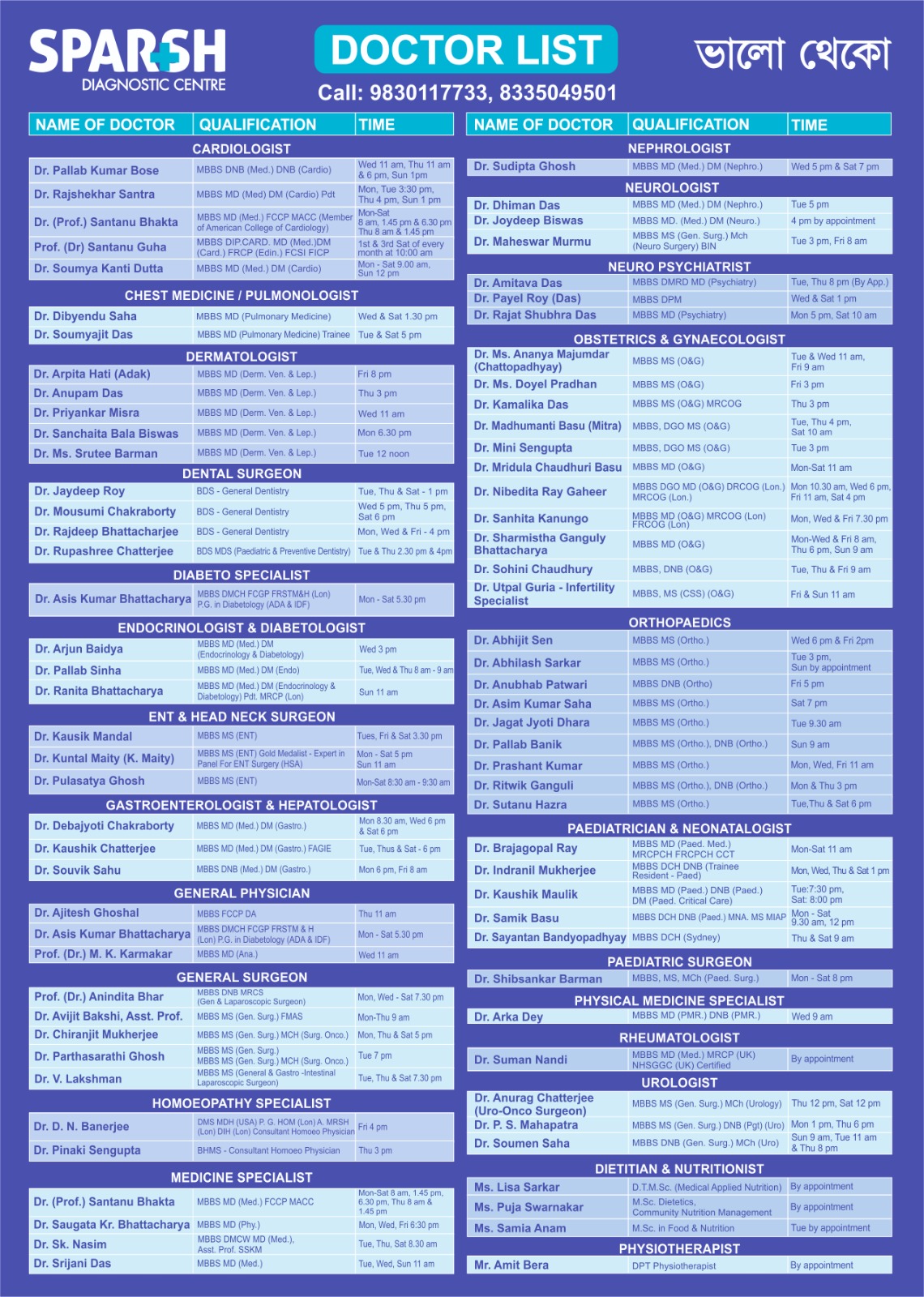
To consult a Doctor at Sparsh Diagnostic Centre, call our helpline numbers +91 98301 17733 and +91 83350 49501.
#BhaloTheko
Disclaimer:
No content on this site, regardless of date, should ever be used as a substitute for direct medical advice from your doctor or other qualified clinician.
Sources and references
The information in this article has been compiled using established medical and public health resources, along with reference material from leading healthcare organisations.
International and government health resources
- World Health Organization (WHO) – Air pollution: Personal interventions and risk communication.
https://www.who.int/news-room/questions-and-answers/item/air-pollution-personal-interventions-and-risk-communication - Central Pollution Control Board (CPCB) – About the National Air Quality Index.
https://app.cpcbccr.com/ccr_docs/About_AQI.pdf - Ministry of Health and Family Welfare, Government of India – Health Advisory on Household Air Pollution.
https://ncdc.mohfw.gov.in/wp-content/uploads/2025/04/Updated-Draft-Health-Advisory-on-Air-Pollution-under-NPCCHH_latest-version_15-04-2025.pdf - US Environmental Protection Agency (EPA) – Improving Indoor Air Quality.
https://www.epa.gov/indoor-air-quality-iaq/improving-indoor-air-quality - American Lung Association – Tips to Keep Your Lungs Healthy.
https://www.lung.org/lung-health-diseases/wellness/protecting-your-lungs - Asthma + Lung UK – Cold Weather and Your Lungs.
https://www.asthmaandlung.org.uk/living-with/cold-weather
Healthcare articles consulted
- PSRI Hospital – How to Protect Your Lungs During Winter and Pollution?
https://psrihospital.com/how-to-protect-your-lungs-during-winter-and-pollution/ - Felix Hospital – 7 Tips to Protect Your Lungs from Winter Air Pollution.
https://www.felixhospital.com/blogs/7-tips-to-protect-your-lungs-from-winter-air-pollution - Max Healthcare – Winter Smog Effects on Lungs: Symptoms and Prevention.
https://www.maxhealthcare.in/blogs/how-winter-smog-impact-lungs - Vasavi Hospitals – Protecting Your Lungs in Winter: Practical Tips for Easier Breathing.
https://vasavihospitals.com/blog/2025/12/12/protecting-your-lungs-in-winter-practical-tips-for-easier-breathing/ - Aster Hospitals – Tips to Keep Your Lungs Healthy During the Cold Season.
https://www.asterhospitals.in/blogs-events-news/tips-keep-your-lungs-healthy-during-cold-season - Narayana Health – How to Protect Your Lungs from Air Pollution.
https://www.narayanahealth.org/blog/how-to-protect-your-lungs-from-air-pollution
Disclaimer: This article is intended for general health awareness and educational purposes. It should not be considered a substitute for professional medical advice, diagnosis or treatment. Consult a qualified healthcare professional for individual medical concerns.
Medical review and verification
This blog has been medically reviewed and verified by Dr. Shubhayu Som to ensure the accuracy and reliability of the health information presented.
Medical reviewer: Dr. Shubhayu Som
Qualification: MBBS
Specialisation: General Physician
Medical registration: West Bengal Medical Council
WBMC Registration Number: 81060
Date reviewed on: 13th November 2026


