


Muscular dystrophy is a group of genetic disorders that cause muscles to become progressively weaker over time. It can affect people of different ages, from infants and young children to adults. Depending on the type, the condition may affect walking, climbing stairs, lifting objects, swallowing, breathing and even heart function.
For many families, the first signs are easy to overlook. A child may fall more often than other children, struggle to get up from the floor or have difficulty keeping up during play. In adults, unexplained muscle weakness, difficulty climbing stairs or changes in facial and shoulder movements may be early warning signs.
Although muscular dystrophy cannot currently be cured, medical advances have improved the options available to manage symptoms, maintain mobility and address complications. Early diagnosis and appropriate long-term care can make a meaningful difference to quality of life.
This guide explains what muscular dystrophy is, why it develops, how to recognise its early signs, what to expect from diagnosis and which treatments may help.
What is muscular dystrophy?
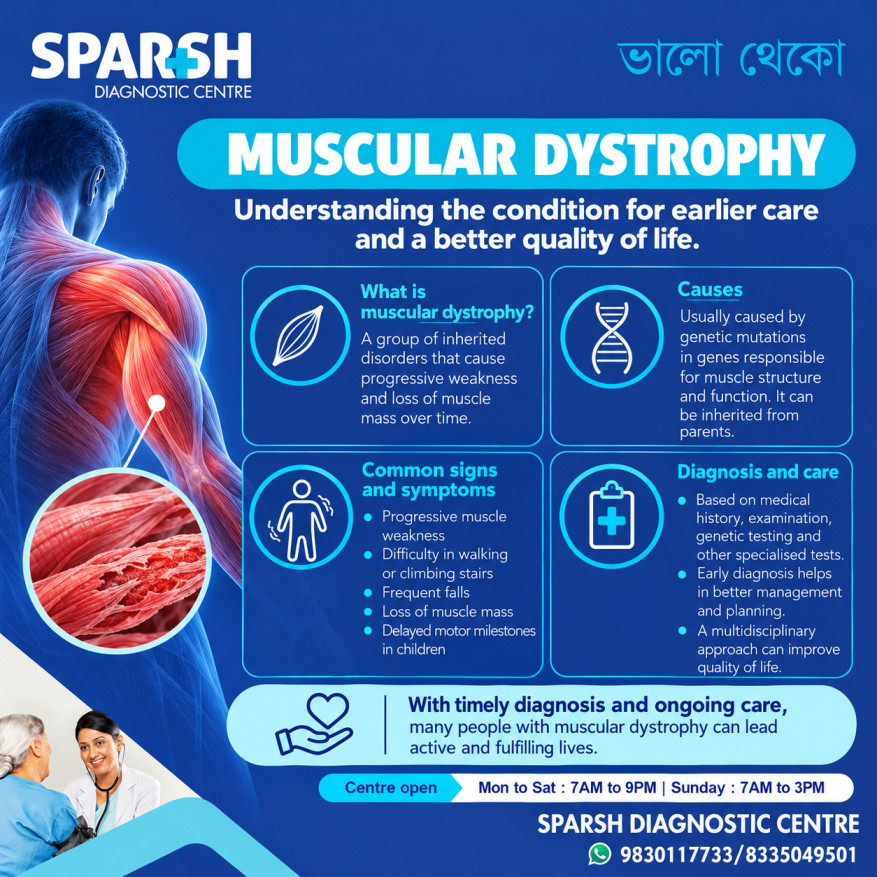
Muscular dystrophy (MD) refers to a group of inherited genetic conditions that cause progressive muscle weakness and damage. Healthy muscles depend on specific proteins to maintain their structure and function. When genetic changes affect the production or function of these proteins, muscle fibres become more vulnerable to damage.
Over time, affected muscles may lose strength and size. In some types, muscle tissue may gradually be replaced by fat and connective tissue, making the muscles appear larger even though they are weaker.
Muscular dystrophy mainly affects the skeletal muscles responsible for movement. However, certain forms can also affect the heart, respiratory muscles and other body systems.
There are more than 30 recognised forms of muscular dystrophy, and they do not all progress in the same way. Some begin in early childhood and cause significant disability, while others develop gradually during adulthood.
An important point: Muscular dystrophy is not contagious. It is not caused by a lack of exercise, an ordinary muscle injury or a person’s lifestyle.
What is the main cause of muscular dystrophy?
The main cause of muscular dystrophy is a genetic change, also known as a mutation, that interferes with proteins needed for healthy muscle function.
One well-known example is Duchenne muscular dystrophy, which results from changes in the DMD gene. This gene provides instructions for making dystrophin, a protein that helps protect muscle fibres from damage during movement. When dystrophin is absent or severely reduced, muscles become progressively damaged.
Other forms of muscular dystrophy involve different genes and proteins. The particular genetic change determines the type of condition, the muscles affected, the age at which symptoms appear and the rate of progression.
Is muscular dystrophy hereditary?
Yes, most forms of muscular dystrophy are inherited, but the pattern of inheritance varies.
- X-linked inheritance: Duchenne and Becker muscular dystrophy are commonly associated with changes in a gene on the X chromosome. These conditions affect males more frequently, although females carrying the genetic change may also develop symptoms.
- Autosomal dominant inheritance: A person may develop the condition after inheriting one altered copy of the relevant gene from either parent.
- Autosomal recessive inheritance: A person generally needs to inherit an altered copy of the gene from both parents.
- New genetic changes: Sometimes, the genetic change develops spontaneously, meaning there may be no known family history of the condition.
A person can therefore develop muscular dystrophy even when no other family member has been diagnosed. Genetic counselling can help families understand inheritance patterns and the potential risks to future children.
What are the first signs of muscular dystrophy?
The earliest signs depend on the type of muscular dystrophy. In childhood-onset forms, symptoms may become noticeable when a child begins walking, running or participating in more physically demanding activities.
Parents and caregivers may notice that a child is struggling with tasks that other children of a similar age manage more easily.
Common early signs include:
- Frequent falls or unusual clumsiness.
- Difficulty running, jumping or climbing stairs.
- Delayed developmental milestones, such as sitting, standing or walking.
- Difficulty getting up from the floor without using the hands for support.
- Walking on the toes or developing a waddling gait.
- Weakness around the hips, thighs or shoulders.
- Enlarged calf muscles despite reduced strength.
- Unusual fatigue during everyday physical activities.
In adults, the first symptoms may be more subtle. A person might find it increasingly difficult to lift their arms, carry objects, rise from a chair or walk long distances. Some forms initially affect the face, eyelids, neck or muscles involved in swallowing.
These symptoms do not automatically mean someone has muscular dystrophy. Other medical conditions can cause muscle weakness, too. However, persistent or progressive weakness deserves medical assessment, especially when accompanied by delayed development or a family history of muscle disease.
Types of muscular dystrophy
The main types of muscular dystrophy differ in their genetic causes, symptoms, age of onset and effects on daily life.
1. Duchenne muscular dystrophy
Duchenne muscular dystrophy (DMD) is one of the most severe and well-known forms. Symptoms usually begin in early childhood, often before five years of age.
Children may experience delayed motor development, frequent falls, difficulty climbing stairs and progressive weakness of the hips and thighs. Some develop enlarged calf muscles.
As the condition progresses, walking may become more difficult, and some children eventually require a wheelchair. Heart and breathing muscles can also be affected, making regular monitoring essential.
2. Becker muscular dystrophy
Becker muscular dystrophy (BMD) is caused by changes in the same gene involved in Duchenne muscular dystrophy. However, some dystrophin is usually produced, so symptoms often progress more slowly.
Symptoms may begin in adolescence, early adulthood or later. Muscle weakness commonly affects the hips, thighs and shoulders. Heart involvement can be an important complication, even when mobility problems are relatively mild.
3. Myotonic dystrophy
Myotonic dystrophy is a form of muscular dystrophy in which muscles have difficulty relaxing after contraction. For example, someone may struggle to release their grip after holding an object.
Symptoms can include weakness of the face, neck, hands and lower legs, as well as fatigue and muscle stiffness. Some people also develop cataracts, heart rhythm abnormalities, swallowing difficulties or hormonal problems.
The age of onset and severity vary considerably.
4. Facioscapulohumeral muscular dystrophy
Facioscapulohumeral muscular dystrophy (FSHD) primarily affects the muscles of the face, shoulders and upper arms.
Early signs may include difficulty closing the eyes tightly, smiling normally or raising the arms overhead. The shoulder blades may become prominent, and weakness can affect one side more than the other.
Symptoms often begin during adolescence or young adulthood, although onset can occur earlier or later.
5. Limb-girdle muscular dystrophy
Limb-girdle muscular dystrophy (LGMD) describes a group of conditions affecting muscles around the hips and shoulders.
People may struggle to stand from a seated position, climb stairs, lift their arms or carry heavy objects. Some forms progress slowly, while others cause more substantial disability.
Depending on the specific genetic subtype, the heart and respiratory muscles may also be affected.
6. Congenital muscular dystrophy
Congenital muscular dystrophy refers to forms that become apparent at birth or during early infancy.
Babies may have low muscle tone, feeding difficulties, delayed motor milestones or difficulty controlling their head and body movements. The severity varies considerably between subtypes.
Some children experience relatively mild symptoms, while others need extensive medical and developmental support.
7. Emery-Dreifuss muscular dystrophy
Emery-Dreifuss muscular dystrophy often involves early joint contractures, particularly around the elbows, ankles and neck, along with progressive muscle weakness.
Heart rhythm disturbances and other cardiac complications can be serious features of this condition. Cardiac evaluation is therefore an important part of ongoing care.
8. Oculopharyngeal muscular dystrophy
Oculopharyngeal muscular dystrophy typically develops in adulthood, often in middle age.
The initial symptoms may include drooping eyelids and difficulty swallowing. Weakness can gradually extend to other muscles, affecting eating, movement and daily activities.
How is muscular dystrophy diagnosed?
An accurate diagnosis helps identify the specific type of muscular dystrophy and guides treatment, monitoring and family counselling.
Doctors usually begin by reviewing the person’s symptoms, developmental history, medical history and family history. A physical and neurological examination helps assess muscle strength, movement, reflexes and patterns of weakness.
Several investigations may be recommended.
Blood tests
A creatine kinase (CK) blood test measures an enzyme released into the bloodstream when muscle fibres are damaged. CK levels can be markedly elevated in some forms of muscular dystrophy.
However, an elevated CK level alone does not confirm the diagnosis. The result must be interpreted alongside clinical findings and other investigations.
Genetic testing
Genetic testing looks for changes in genes associated with muscular dystrophy. It is often central to confirming the diagnosis and identifying the specific subtype.
The results can also help determine whether relatives may benefit from genetic counselling or testing.
Electromyography
Electromyography (EMG) measures electrical activity in muscles. It may help distinguish a muscle disorder from certain nerve-related conditions when the diagnosis remains uncertain.
Muscle biopsy
In selected cases, a doctor may recommend a muscle biopsy. A small sample of muscle tissue is examined to look for abnormalities in muscle fibres or specific proteins.
A biopsy is not always necessary, particularly when genetic testing provides a clear answer.
Heart and breathing assessments
Because some forms affect the heart and respiratory muscles, doctors may recommend an electrocardiogram (ECG), echocardiography, lung function testing or other specialised assessments.
The investigations needed depend on the symptoms and suspected type of muscular dystrophy.
What is the treatment for muscular dystrophy?
There is currently no universal cure for muscular dystrophy. However, treatment can help manage symptoms, preserve function, reduce complications and support independence.
The right treatment plan depends on the type of muscular dystrophy, the person’s age, disease progression and any heart or breathing involvement.
Medicines and disease-specific treatments
Some medicines can slow disease progression or help manage particular symptoms. Corticosteroids, for example, may be prescribed for certain patients with Duchenne muscular dystrophy.
Some people with specific genetic changes may be eligible for targeted treatments, including certain mutation-specific therapies or gene-based treatments. Eligibility depends on the diagnosis, the genetic variant, age, clinical condition and local regulatory approval and availability.
These treatments are not suitable for every form of muscular dystrophy. A specialist should explain the expected benefits, risks and monitoring requirements.
Physiotherapy and occupational therapy
Physiotherapy can help maintain joint flexibility, manage contractures and support safe movement. A personalised programme may include gentle stretching, suitable low-impact activity and exercises adapted to the person’s abilities.
Exercise should be planned carefully. Excessive or strenuous activity that causes significant fatigue or muscle pain may be harmful in some circumstances.
Occupational therapy can help people manage everyday tasks, conserve energy and adapt their home, school or workplace.
Heart care
Certain forms of muscular dystrophy can weaken the heart muscle or cause abnormal heart rhythms. Regular cardiac assessments can identify problems before symptoms become obvious.
When necessary, cardiologists may prescribe medicines or recommend other interventions to manage heart complications.
Respiratory support
Weakness of the breathing muscles can reduce lung function and make coughing less effective. Some people need periodic breathing assessments, cough-assistance techniques or ventilatory support, including devices used during sleep.
Early recognition of respiratory problems is important because complications can develop gradually.
Mobility aids and supportive care
Braces, walkers, wheelchairs and other assistive devices can improve safety, reduce physical strain and help people remain active.
Speech and swallowing assessments may be needed if the muscles involved in speaking or eating are affected. Nutritional support, bone health monitoring and appropriate vaccinations may also form part of care.
Treatment is most effective when coordinated by a multidisciplinary team that may include neurologists, physiotherapists, cardiologists, respiratory specialists, occupational therapists and other healthcare professionals.
What is the life expectancy for muscular dystrophy?
There is no single life expectancy for muscular dystrophy because the condition includes many different disorders with varying levels of severity.
Some people with milder forms have a near-normal life expectancy. Others, particularly those with severe childhood-onset forms, may experience life-threatening heart or breathing complications.
For example, Duchenne muscular dystrophy can substantially shorten life expectancy, although advances in cardiac care, respiratory support and disease management have helped many people live longer than in previous generations. Some now live into their 30s and beyond. Individual outcomes vary considerably.
Becker muscular dystrophy often progresses more slowly, but heart complications can affect long-term health and survival. Facioscapulohumeral muscular dystrophy generally has a near-normal life expectancy, although the severity of symptoms differs between individuals. Other types have their own characteristic risks.
Life expectancy depends on several factors:
- The specific type and genetic variant.
- How quickly muscle weakness progresses.
- Whether the heart or respiratory muscles are affected.
- Access to specialist care and appropriate treatments.
- The timely identification and management of complications.
Regular medical follow-up is important even when symptoms seem mild. A specialist familiar with the particular diagnosis can provide a more meaningful outlook than a general estimate.
Is muscular dystrophy curable?
Currently, there is no established cure that reverses all forms of muscular dystrophy. Treatment aims to slow progression where possible, manage symptoms, prevent complications and maintain quality of life.
Research into gene therapy, genetic medicines and other targeted approaches is advancing. Certain treatments are available for selected patients with specific forms of muscular dystrophy, but they do not constitute a universal cure and may not reverse existing muscle damage.
Early diagnosis remains valuable because it allows patients and families to access appropriate treatment, rehabilitation, cardiac and respiratory monitoring, and genetic counselling.
With coordinated care and suitable support, many people with muscular dystrophy can continue participating in meaningful activities and maintain as much independence as their condition allows.
Living with muscular dystrophy: practical guidance for families
A diagnosis can feel overwhelming, particularly when a child is affected. Understanding the condition and planning care step by step can make the journey more manageable.
Attend regular follow-up appointments. Monitoring helps clinicians identify changes in mobility, heart function, breathing and swallowing.
Follow an individualised activity plan. Appropriate movement and stretching may help preserve flexibility, but exercise should be tailored to the person’s abilities and medical advice.
Pay attention to nutrition and bone health. A balanced diet, suitable nutritional support and monitoring for bone complications can be important, particularly when mobility is limited or certain medicines are prescribed.
Seek developmental and educational support. Children may benefit from physiotherapy, occupational therapy, educational accommodations and emotional support.
Discuss genetic counselling. Families can learn about inheritance patterns, testing options and reproductive considerations.
Make daily activities safer. Simple changes at home, school or work can reduce falls, conserve energy and support independence.
Most importantly, care should be individualised. People with the same diagnosis can have very different symptoms, abilities and support needs.
When should you consult a doctor?
Consult a healthcare professional if you or your child experiences persistent or progressive muscle weakness, frequent unexplained falls, difficulty climbing stairs, delayed motor milestones or an unusual walking pattern.
A family history of muscular dystrophy is another reason to discuss concerning symptoms with a doctor.
Seek urgent medical attention for severe breathing difficulty, choking with an inability to breathe, fainting or chest pain. New swallowing problems or recurrent respiratory infections also require prompt assessment.
Not every case of muscle weakness is caused by muscular dystrophy. Timely evaluation helps identify the underlying cause and determine whether specialist investigations are needed.
Frequently asked questions about muscular dystrophy
1. What is the main cause of muscular dystrophy?
Muscular dystrophy is caused by genetic changes that affect proteins needed to maintain healthy muscle fibres. These changes are often inherited, although they can also occur for the first time in a family. The affected gene determines the type of muscular dystrophy and influences its symptoms and progression.
2. What are the first signs of muscular dystrophy?
Early signs may include frequent falls, difficulty running or climbing stairs, delayed walking, trouble getting up from the floor and progressive weakness around the hips or shoulders. Some children develop a waddling gait or enlarged calf muscles. In adults, symptoms may include difficulty lifting the arms, drooping eyelids or swallowing problems, depending on the type.
3. What is the life expectancy for muscular dystrophy?
Life expectancy varies widely. Some forms have little effect on lifespan, while severe forms such as Duchenne muscular dystrophy can shorten it considerably. Heart and breathing complications are important factors. Improved specialist care has extended survival for many people, but individual outcomes depend on the diagnosis and clinical circumstances.
4. Is muscular dystrophy curable?
There is currently no universal cure for muscular dystrophy. However, medicines, physiotherapy, assistive devices, cardiac care and respiratory support can help manage symptoms and complications. Certain targeted or gene-based treatments are available for selected patients, depending on the type and genetic findings.
5. Can muscular dystrophy develop in adulthood?
Yes. Although some forms begin in childhood, others may first cause symptoms during adolescence or adulthood. Myotonic, facioscapulohumeral, limb-girdle and oculopharyngeal muscular dystrophy can all present later in life, depending on the subtype.
6. Can a child develop muscular dystrophy if nobody in the family has it?
Yes. A new genetic change can occur without a previous family history. In addition, a parent may carry a genetic change without having obvious symptoms. Genetic testing and counselling can help clarify the inheritance pattern.
7. Does muscular dystrophy affect the heart and lungs?
Some types can affect the heart muscle, heart rhythm or muscles responsible for breathing and coughing. The risk varies by subtype. Regular cardiac and respiratory assessments are important when recommended by the treating specialist.
8. Can exercise help people with muscular dystrophy?
Appropriate physical activity and physiotherapy may help maintain flexibility, function and comfort. However, exercise must be tailored to the person’s condition. Strenuous exercise that causes excessive fatigue or muscle damage should be avoided. A healthcare professional or physiotherapist experienced in neuromuscular disorders can advise on a suitable programme.
9. Which tests are used to diagnose muscular dystrophy?
Diagnosis may involve a clinical examination, family history, creatine kinase blood testing and genetic testing. EMG or muscle biopsy may be considered in selected cases. Heart and lung assessments may also be recommended to identify complications.
10. Can genetic testing help families affected by muscular dystrophy?
Yes. Genetic testing can help confirm the diagnosis, identify the specific genetic change and clarify inheritance patterns. Genetic counselling can explain what the results mean for other family members and whether testing may be appropriate for them.
Muscular dystrophy is a complex group of genetic conditions that can affect muscle strength, mobility and, in some cases, heart and respiratory function. Recognising early symptoms, obtaining an accurate diagnosis and arranging appropriate long-term care are important steps in managing the condition.
Although a universal cure is not currently available, advances in treatment and supportive care are creating better opportunities for symptom management and improved quality of life.
If you notice persistent muscle weakness, repeated falls or delayed motor development in a child, seek medical advice rather than waiting for the symptoms to become more pronounced. Early assessment can help establish the cause and guide the next steps.
Need Help?
At Sparsh Diagnostic Centre, our expert team offers comprehensive diagnostic services to help detect neuromuscular disorders early. Book an appointment today for evaluation and guidance.
👉 Visit Sparsh Diagnostic Centre
#BhaloTheko
Disclaimer:
No content on this site, regardless of date, should ever be used as a substitute for direct medical advice from your doctor or other qualified clinician.
Sources and further reading
The following authoritative medical resources were consulted to support the information in this article:
- Cleveland Clinic — Muscular dystrophy: what it is, symptoms, types and treatment. Updated March 30, 2026.
https://my.clevelandclinic.org/health/diseases/14128-muscular-dystrophy - Mayo Clinic — Muscular dystrophy: symptoms and causes.
https://www.mayoclinic.org/diseases-conditions/muscular-dystrophy/symptoms-causes/syc-20375388 - National Institute of Neurological Disorders and Stroke (NINDS) — Muscular dystrophy.
https://www.ninds.nih.gov/health-information/disorders/muscular-dystrophy - Centers for Disease Control and Prevention (CDC) — About muscular dystrophy.
https://www.cdc.gov/muscular-dystrophy/about/index.html - NYU Langone Health — Types of muscular dystrophy.
https://nyulangone.org/conditions/muscular-dystrophy/types - Mayo Clinic — Muscular dystrophy: diagnosis and treatment.
https://www.mayoclinic.org/diseases-conditions/muscular-dystrophy/diagnosis-treatment/drc-20375394



[…] Muscular dystrophy […]
[…] Gravis and Muscular Dystrophies (when used alongside […]
[…] Muscular dystrophy […]
[…] Muscular Dystrophy: A group of genetic disorders that cause progressive muscle degeneration and weakness. […]
[…] muscular dystrophy, polymyositis does not directly cause muscle tissue to die, but the ongoing inflammation can lead […]
[…] to neurological or muscular disorders like cerebral palsy, muscular dystrophy, or spinal cord […]