


Salpingectomy is a surgical procedure involving the removal of one or both fallopian tubes. It’s performed for various reasons including ectopic pregnancy, infection, cancer risk reduction, or as a sterilization method. This procedure can have profound effects on fertility, hormonal health, and future pregnancies.
In this comprehensive guide, we will walk you through everything you need to know about salpingectomy—its types, indications, risks, recovery process, and life after the procedure.
What Is a Salpingectomy?
Salpingectomy is the surgical removal of the fallopian tubes, which are the narrow passages connecting the ovaries to the uterus. These tubes play a crucial role in reproduction, as they are the site where fertilization typically occurs.
There are two fallopian tubes—left and right—and salpingectomy can be:
Unilateral Salpingectomy: Removal of one fallopian tube
Bilateral Salpingectomy: Removal of both tubes
The procedure may be done alone or in combination with other surgeries like hysterectomy (uterus removal) or oophorectomy (ovary removal).
Why Is Salpingectomy Performed?
Salpingectomy is performed to treat or prevent various medical conditions. Common indications include:
1. Ectopic Pregnancy
When a fertilized egg implants in the fallopian tube instead of the uterus, it can cause life-threatening internal bleeding. A salpingectomy is often required in such cases.
2. Tubal Infections or Pelvic Inflammatory Disease (PID)
Chronic or severe infections can damage the fallopian tubes, leading to infertility or increased risk of ectopic pregnancy. Removal may be necessary.
3. Hydrosalpinx
This condition involves fluid accumulation in a blocked tube, often causing infertility or pain.
4. Tubal or Ovarian Cancer
A salpingectomy may be performed to treat or reduce the risk of gynecologic cancers, especially in high-risk women (e.g., BRCA gene mutations).
5. Sterilization (Permanent Birth Control)
Some women choose bilateral salpingectomy instead of tubal ligation as a permanent form of contraception. It is considered more effective and reduces cancer risk.
6. Preventive (Prophylactic) Removal
Recent studies show many ovarian cancers actually start in the fallopian tubes. Thus, preventive removal is gaining popularity during other pelvic surgeries.
Types of Salpingectomy
Depending on the situation, the surgeon may perform one of the following:
1. Unilateral Salpingectomy
Only one fallopian tube is removed. Fertility may still be possible with the remaining tube and ovary.
2. Bilateral Salpingectomy
Both tubes are removed. This results in permanent infertility and may trigger early menopause if performed with oophorectomy.
3. Salpingo-Oophorectomy
This includes removal of the fallopian tube(s) along with one or both ovaries.
Surgical Techniques for Salpingectomy
The procedure can be performed using different surgical approaches:
1. Laparoscopic Salpingectomy (Minimally Invasive)
Small incisions and a laparoscope (camera) are used.
Advantages: Less pain, faster recovery, smaller scars.
Recovery time: 1–2 weeks
2. Laparotomy (Open Surgery)
A larger abdominal incision is made.
Often done when other complex surgeries are performed simultaneously.
Recovery time: 4–6 weeks
3. Robotic-Assisted Laparoscopic Salpingectomy
Robotic arms controlled by a surgeon allow for high precision.
Similar recovery benefits as laparoscopy but higher cost.
Preparing for a Salpingectomy
Preoperative Evaluation
Your doctor will likely perform:
A physical exam
Blood tests
Imaging (ultrasound, CT, or MRI)
Pregnancy test (if reproductive age)
Counseling
Understand the implications, especially regarding fertility and hormonal changes.
Medications
You may need to stop taking blood thinners or hormonal therapies before surgery.
What to Expect During Surgery
Administered under general anesthesia
Duration: Around 30 minutes to 2 hours
You may go home the same day (laparoscopic) or stay overnight (open surgery)
Recovery After Salpingectomy
Hospital Stay
Laparoscopic: Same-day discharge or overnight observation
Open Surgery: Typically 2–3 days
At Home
Rest for a few days to 2 weeks depending on the type of surgery
Avoid lifting heavy objects for at least 4 weeks
Resume normal activities gradually
Pain Management
Mild to moderate pain can be managed with oral painkillers
Follow wound care instructions to prevent infection
Risks and Complications
Like any surgery, salpingectomy comes with potential risks:
Infection
Bleeding
Damage to nearby organs (bladder, bowel)
Anesthesia-related complications
Blood clots
Scar tissue (adhesions)
Psychological impact, especially related to fertility
Life After Salpingectomy
1. Fertility
Unilateral Salpingectomy: Pregnancy is still possible with the remaining tube and ovary.
Bilateral Salpingectomy: Natural conception is not possible. IVF (in vitro fertilization) is required for pregnancy.
2. Hormonal Health
Removal of only fallopian tubes does not affect hormones significantly, as the ovaries remain functional.
If combined with oophorectomy, surgical menopause occurs immediately.
3. Menstrual Cycle
Cycles typically remain regular unless the ovaries are also removed.
4. Mental and Emotional Health
Some women may experience grief or depression after surgery, especially if performed due to cancer or as a preventive measure.
Salpingectomy vs. Tubal Ligation
| Feature | Salpingectomy | Tubal Ligation |
|---|---|---|
| Procedure | Removal of the fallopian tube(s) | Clamping or tying the tubes |
| Permanence | Permanent | Permanent |
| Cancer Risk | Reduces risk of ovarian cancer | No known effect |
| Failure Rate | Almost 0% | Slight risk of failure (1 in 200) |
| Fertility Option | Only IVF | IVF may still be possible if tubal reversal is not successful |
Conclusion: Salpingectomy is more effective and may offer added protection against ovarian cancer.
Salpingectomy for Cancer Prevention
BRCA1 and BRCA2 Mutation Carriers
Women with these mutations have a higher risk of developing ovarian and breast cancer. Salpingectomy (with or without oophorectomy) significantly reduces these risks.
Opportunistic Salpingectomy
Doctors now often recommend removing fallopian tubes during unrelated pelvic surgeries (like hysterectomy) as a cancer prevention strategy—even in average-risk women.
Alternatives to Salpingectomy
Depending on the diagnosis, some alternatives may be considered:
Salpingostomy (opening the fallopian tube to remove ectopic pregnancy)
Tuboplasty (repair of damaged fallopian tubes)
Medical management (in early ectopic pregnancies with methotrexate)
Tubal ligation for sterilization without removing the tube
However, these alternatives may not be suitable in all cases.
When to Contact a Doctor Post-Surgery
Seek immediate medical attention if you experience:
High fever
Excessive bleeding or discharge from the wound
Persistent pain or swelling
Trouble urinating or bowel movements
Fainting or severe weakness
Frequently Asked Questions (FAQs)
Q1. Will salpingectomy stop my periods?
No, your periods will continue as long as your ovaries and uterus are intact.
Q2. Can I still get pregnant after salpingectomy?
Yes, if one fallopian tube remains. If both are removed, IVF is your only option.
Q3. Does it cause menopause?
Only if the ovaries are removed. Fallopian tube removal alone doesn’t trigger menopause.
Q4. Is salpingectomy painful?
Mild to moderate discomfort is common post-surgery but manageable with medication.
Q5. Is it better than tubal ligation?
In many cases, yes. Salpingectomy is more effective and may reduce ovarian cancer risk.
Salpingectomy is a safe and commonly performed procedure with multiple benefits—from managing ectopic pregnancies and infections to reducing cancer risk and providing permanent contraception. While the thought of surgery can be daunting, advances in minimally invasive techniques have made the procedure less painful with faster recovery.
Understanding your options, knowing what to expect, and discussing your concerns with your doctor can empower you to make the best decision for your health and future.
Need expert advice or imaging tests?
Visit Sparsh Diagnostic Centre for ultrasound scans, hormonal testing, and gynecology consultations to guide your journey with confidence.
#BhaloTheko
Disclaimer:
No content on this site, regardless of date, should ever be used as a substitute for direct medical advice from your doctor or other qualified clinician.


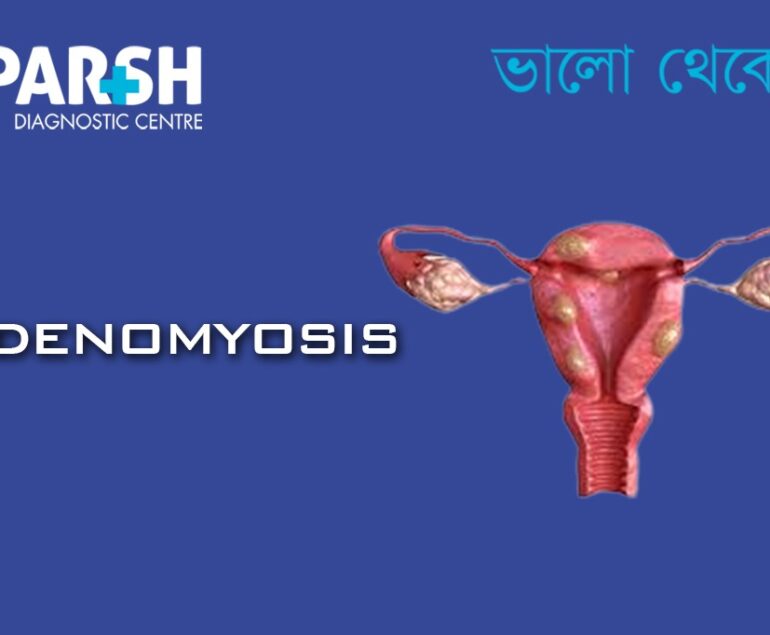

[…] A hysterectomy is a surgical procedure to remove the uterus (womb). After this procedure, a woman can no longer get pregnant or menstruate. Depending on the medical necessity, it may also involve removing other reproductive organs such as the ovaries (oophorectomy) and fallopian tubes (salpingectomy). […]
[…] Laparoscopic Surgery: A minimally invasive procedure called laparoscopic surgery is the most common surgical treatment for ectopic pregnancy. A small camera and surgical instruments are inserted through tiny incisions in the abdomen to remove the ectopic tissue. If the fallopian tube is damaged, it may be partially or entirely removed (salpingectomy). […]