


The Nipah virus (NiV) is one of the most dangerous emerging infectious diseases known to humans. Though outbreaks are relatively rare, the virus has a high fatality rate, can spread rapidly, and currently has no specific cure or licensed vaccine. Over the past few decades, Nipah virus outbreaks have raised serious public health concerns, particularly in South and Southeast Asia.
Understanding the Nipah virus—how it spreads, its symptoms, risk factors, and prevention strategies—is essential for protecting individuals and communities. This article provides a comprehensive guide to help you stay informed and prepared.
What Is the Nipah Virus?
The Nipah virus is a zoonotic virus, meaning it spreads from animals to humans. It belongs to the Henipavirus genus of the Paramyxoviridae family. The virus was first identified in 1998–1999 during an outbreak among pig farmers.
What makes Nipah virus especially concerning is its ability to:
Cause severe respiratory illness and encephalitis (brain inflammation)
Spread from animals to humans and from humans to humans
Result in high mortality rates, often ranging between 40% and 75%
Natural Reservoir of Nipah Virus
The primary natural hosts of the Nipah virus are fruit bats, particularly bats of the Pteropus species, commonly known as flying foxes. These bats often carry the virus without showing symptoms.
Humans usually become infected through:
Direct contact with infected animals
Consumption of food contaminated by bats
Close contact with infected individuals
How Does Nipah Virus Spread?
The Nipah virus can spread through multiple routes, making outbreak control challenging.
1. Animal-to-Human Transmission
Humans may become infected by:
Eating fruits contaminated with bat saliva or urine
Drinking raw date palm sap contaminated by bats
Contact with infected pigs or other animals
2. Human-to-Human Transmission
The virus can spread through:
Close physical contact with an infected person
Exposure to respiratory droplets
Contact with bodily fluids such as saliva, urine, or blood
Healthcare settings are particularly vulnerable if strict infection control measures are not followed.
Symptoms of Nipah Virus Infection
Symptoms typically appear 4 to 14 days after exposure, though in some cases the incubation period can be longer.
Early Symptoms
Advanced Symptoms
Confusion or altered mental state
In severe cases, patients may slip into a coma within 24–48 hours of neurological symptom onset.
Why Is Nipah Virus So Dangerous?
Several factors make Nipah virus particularly deadly:
High fatality rate
Rapid progression from mild symptoms to severe neurological illness
Lack of specific treatment or vaccine
Human-to-human transmission, increasing outbreak potential
Possibility of long-term neurological complications in survivors
Some recovered patients have also reported relapse or delayed onset encephalitis months or even years later.
Diagnosis of Nipah Virus Infection
Early diagnosis is critical but challenging due to non-specific initial symptoms.
Diagnostic methods include:
RT-PCR tests (detect viral genetic material)
ELISA tests (detect antibodies)
Virus isolation in specialized laboratories
Testing is usually conducted in high-containment laboratories due to the virus’s high risk.
Is There a Treatment or Vaccine for Nipah Virus?
Treatment
Currently, no specific antiviral treatment exists for Nipah virus infection. Medical care is primarily supportive, focusing on:
Managing fever and pain
Supporting breathing with oxygen or ventilators
Treating seizures and neurological complications
Intensive care for severe cases
Some antiviral drugs have been used experimentally, but their effectiveness is still under study.
Vaccine Status
As of now, no licensed vaccine is available for public use. However, research and clinical trials are ongoing, given the virus’s pandemic potential.
Prevention and Safety Measures
Preventing Nipah virus infection relies heavily on awareness and precautionary behavior.
Personal Preventive Measures
Wash hands frequently with soap and water
Avoid touching sick animals or bats
Avoid close contact with individuals showing symptoms
Use protective equipment when caring for infected patients
Food Safety Practices
Avoid eating partially eaten or fallen fruits
Wash and peel fruits thoroughly
Avoid drinking raw or unprocessed date palm sap
Consume well-cooked food only
Community and Healthcare Measures
Early identification and isolation of suspected cases
Strict infection control practices in hospitals
Use of personal protective equipment (PPE) by healthcare workers
Contact tracing and monitoring

What to Do If You Suspect Nipah Virus Infection
If you or someone around you experiences symptoms such as fever combined with confusion, breathing difficulty, or seizures—especially in an affected area—seek medical attention immediately.
Early reporting helps:
Improve chances of survival
Prevent further spread
Enable timely public health interventions
Myths and Misconceptions About Nipah Virus
Myth: Nipah virus spreads through air over long distances
Fact: It spreads through close contact, not airborne transmission like measles.
Myth: All bat-related foods are dangerous
Fact: Properly washed and cooked food is generally safe.
Myth: Nipah virus always causes death
Fact: While dangerous, early care and supportive treatment improve survival chances.
Importance of Public Awareness
Public awareness plays a critical role in controlling Nipah virus outbreaks. Educating communities about:
Safe food practices
Early symptoms
When and how to seek medical help
can significantly reduce transmission and fatalities.
Diagnostic centres, hospitals, and public health institutions play a key role in early detection and response.
Frequently Asked Questions (FAQs)
1. What is the Nipah virus?
The Nipah virus is a zoonotic virus that causes severe respiratory illness and brain inflammation in humans.
2. How does Nipah virus spread?
It spreads through contact with infected bats, animals, contaminated food, or infected people.
3. What are the early symptoms of Nipah virus?
Early symptoms include fever, headache, muscle pain, sore throat, and fatigue.
4. Is Nipah virus contagious?
Yes, it can spread from person to person through close contact and bodily fluids.
5. Is there a cure for Nipah virus?
No specific cure exists; treatment focuses on supportive medical care.
6. Can Nipah virus be prevented?
Yes, through good hygiene, food safety practices, and avoiding contact with infected individuals and animals.
7. Who is most at risk?
People in affected regions, healthcare workers, caregivers, and those consuming contaminated food are at higher risk.
8. Can recovered patients face long-term effects?
Yes, some survivors may experience long-term neurological problems or relapse.
The Nipah virus is a serious public health threat, but knowledge, early detection, and preventive measures remain our strongest defenses. While the absence of a specific cure or vaccine is concerning, timely medical care and responsible community behavior can save lives and prevent outbreaks.
Staying informed, practicing hygiene, and seeking medical advice at the earliest sign of symptoms are crucial steps toward protecting yourself and others.
#BhaloTheko
Disclaimer:
No content on this site, regardless of date, should ever be used as a substitute for direct medical advice from your doctor or other qualified clinician.
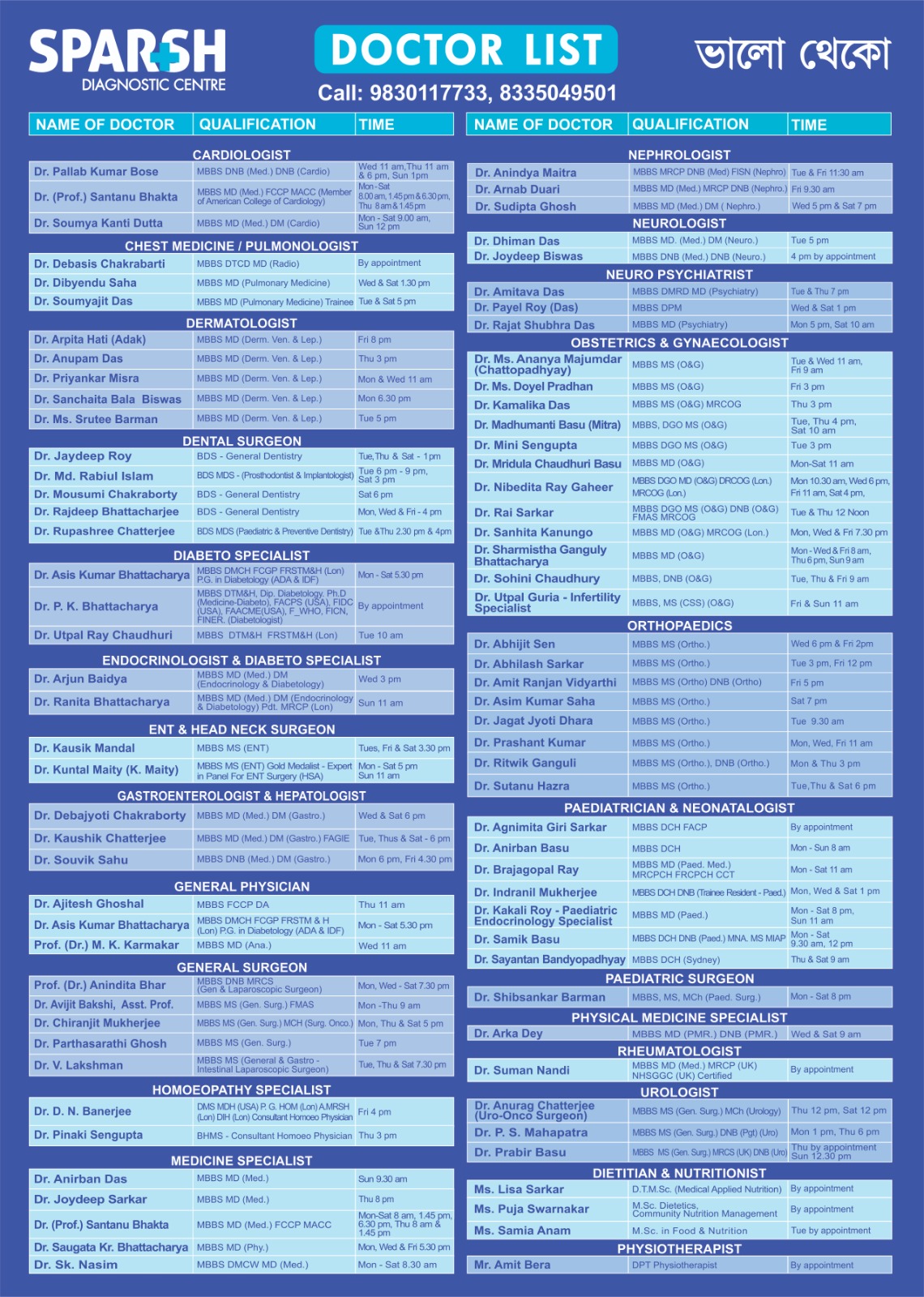
Sparsh Diagnostic Centre Doctor List


