

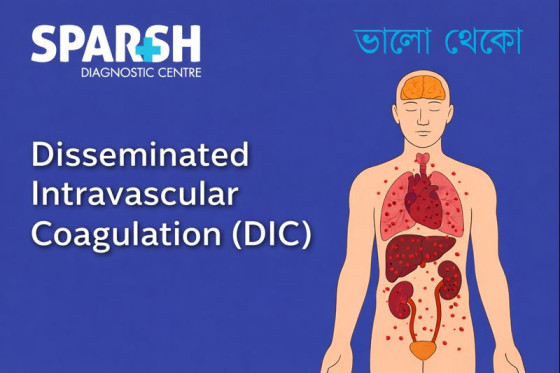
Disseminated Intravascular Coagulation (DIC) is a serious, life-threatening condition characterized by widespread activation of the blood clotting system throughout the body. Instead of clotting occurring only at sites of injury, DIC leads to the formation of multiple small clots in blood vessels, which can impair blood flow to vital organs. Over time, this excessive clotting consumes platelets and clotting factors, increasing the risk of severe bleeding.
DIC is not a primary disease but a secondary complication of underlying conditions such as sepsis, trauma, malignancy, or obstetric emergencies. Early recognition and prompt management are crucial to reduce morbidity and mortality.
What Is Disseminated Intravascular Coagulation (DIC)?
Disseminated Intravascular Coagulation is a complex disorder of hemostasis where the normal balance between clot formation and clot breakdown is disrupted. The body enters a paradoxical state where excessive clotting and uncontrolled bleeding occur simultaneously.
Key Features of Disseminated Intravascular Coagulation
Widespread activation of coagulation pathways
Formation of microthrombi in small blood vessels
Consumption of platelets and clotting factors
Increased risk of bleeding and organ dysfunction
DIC can present as acute, rapidly progressing and life-threatening, or chronic, developing slowly over time, especially in association with malignancies.
Pathophysiology of Disseminated Intravascular Coagulation: How Does It Develop?
The underlying mechanism of DIC involves excessive activation of the coagulation cascade triggered by an underlying disease.
Step-by-Step Process
Triggering event (e.g., infection, trauma, cancer) releases procoagulant substances
Activation of clotting cascade throughout circulation
Microvascular thrombosis forms in multiple organs
Consumption of clotting factors and platelets
Secondary fibrinolysis leading to bleeding
This imbalance results in tissue ischemia, organ failure, and spontaneous hemorrhage.
Causes and Risk Factors of Disseminated Intravascular Coagulation
DIC can arise from a wide range of medical and surgical conditions.
Common Causes
Sepsis and severe infections (most common cause)
Major trauma or burns
Obstetric complications
Placental abruption
Amniotic fluid embolism
Retained dead fetus
Malignancies
Acute promyelocytic leukemia (APL)
Solid tumors (pancreatic, prostate)
Snake bites and envenomation
Massive blood transfusion reactions
High-Risk Populations
Critically ill patients
Pregnant women with complications
Cancer patients
Patients in intensive care units
Types of Disseminated Intravascular Coagulation
Acute Disseminated Intravascular Coagulation
Sudden onset
Rapid consumption of clotting factors
Severe bleeding and shock
Common in sepsis and obstetric emergencies
Chronic Disseminated Intravascular Coagulation
Slow, ongoing activation of coagulation
Predominantly thrombotic complications
Often associated with malignancies and vascular abnormalities
Signs and Symptoms of Disseminated Intravascular Coagulation
Clinical manifestations vary depending on the severity and rate of progression.
Bleeding Symptoms
Oozing from IV sites or surgical wounds
Petechiae and purpura
Nosebleeds and gum bleeding
Gastrointestinal or urinary bleeding
Intracranial hemorrhage (severe cases)
Thrombotic Symptoms
Organ dysfunction (kidneys, lungs, liver, brain)
Respiratory distress
Altered mental status
Limb ischemia
Systemic Features
Complications of Disseminated Intravascular Coagulation
If not managed promptly, DIC can lead to severe complications.
Liver dysfunction
Life-threatening hemorrhage
Death
Diagnosis of Disseminated Intravascular Coagulation
There is no single test to diagnose DIC. Diagnosis is based on clinical findings and laboratory abnormalities.
Key Blood Tests
Platelet count – decreased
Prothrombin Time (PT) – prolonged
Activated Partial Thromboplastin Time (aPTT) – prolonged
Fibrinogen level – decreased
D-dimer – markedly elevated
Peripheral blood smear – schistocytes (fragmented RBCs)
Scoring Systems
The International Society on Thrombosis and Haemostasis (ISTH) DIC score is commonly used to confirm the diagnosis and assess severity.
Differential Diagnosis
Conditions that may mimic DIC include:
Thrombotic thrombocytopenic purpura (TTP)
Severe liver disease
Antiphospholipid syndrome
Heparin-induced thrombocytopenia (HIT)
Proper differentiation is essential for effective treatment.
Management and Treatment of Disseminated Intravascular Coagulation
Treatment focuses on addressing the underlying cause and providing supportive care.
Treat the Underlying Condition
Antibiotics for sepsis
Surgical intervention for trauma
Management of obstetric emergencies
Chemotherapy for malignancy
Supportive Therapy
Platelet transfusions for severe thrombocytopenia with bleeding
Fresh frozen plasma (FFP) to replace clotting factors
Cryoprecipitate for low fibrinogen levels
Packed red blood cells for significant anemia
Anticoagulation Therapy
Low-dose heparin may be used in chronic DIC with predominant thrombosis
Not recommended in active bleeding unless carefully monitored
Intensive Care Support
Mechanical ventilation
Renal replacement therapy
Hemodynamic support
Prognosis of Disseminated Intravascular Coagulation
The prognosis depends on:
Severity of DIC
Speed of diagnosis
Underlying cause
Patient’s overall health
Acute DIC associated with sepsis or trauma carries a high mortality rate, whereas chronic DIC may be managed more effectively if the primary disease is controlled.
Prevention of Disseminated Intravascular Coagulation
Although DIC cannot always be prevented, early intervention can reduce risk.
Prompt treatment of infections
Careful monitoring of high-risk patients
Early recognition of obstetric and trauma complications
Regular coagulation monitoring in cancer patients
When to Seek Medical Attention
Immediate medical care is required if a patient experiences:
Unexplained bleeding or bruising
Sudden organ dysfunction
Severe infection symptoms with bleeding
Bleeding after trauma or surgery
Early diagnosis can be life-saving.
Frequently Asked Questions (FAQs)
What is the most common cause of DIC?
Sepsis is the most common cause of disseminated intravascular coagulation worldwide.
Is DIC a disease or a complication?
DIC is a complication that arises secondary to another serious medical condition.
Can DIC be cured?
DIC itself resolves only when the underlying cause is treated effectively.
Is DIC always fatal?
No, but it is potentially life-threatening. Early diagnosis and prompt treatment improve survival.
What laboratory test is most specific for DIC?
Elevated D-dimer levels combined with low fibrinogen and thrombocytopenia are strongly suggestive.
Can DIC occur during pregnancy?
Yes, especially with placental abruption, amniotic fluid embolism, or retained products of conception.
Is anticoagulation used in DIC?
Heparin may be used in selected cases, particularly chronic DIC with thrombotic features.
How is DIC different from clotting disorders?
Unlike inherited clotting disorders, DIC involves simultaneous clotting and bleeding due to factor consumption.
Disseminated Intravascular Coagulation is a complex and dangerous condition that reflects severe systemic illness. Its dual nature—causing both clot formation and bleeding—makes diagnosis and management challenging. Early recognition, prompt treatment of the underlying cause, and careful supportive care are essential to improving patient outcomes. Increased awareness among clinicians and timely diagnostic testing play a critical role in reducing complications and mortality associated with DIC.
#BhaloTheko
Disclaimer:
No content on this site, regardless of date, should ever be used as a substitute for direct medical advice from your doctor or other qualified clinician.
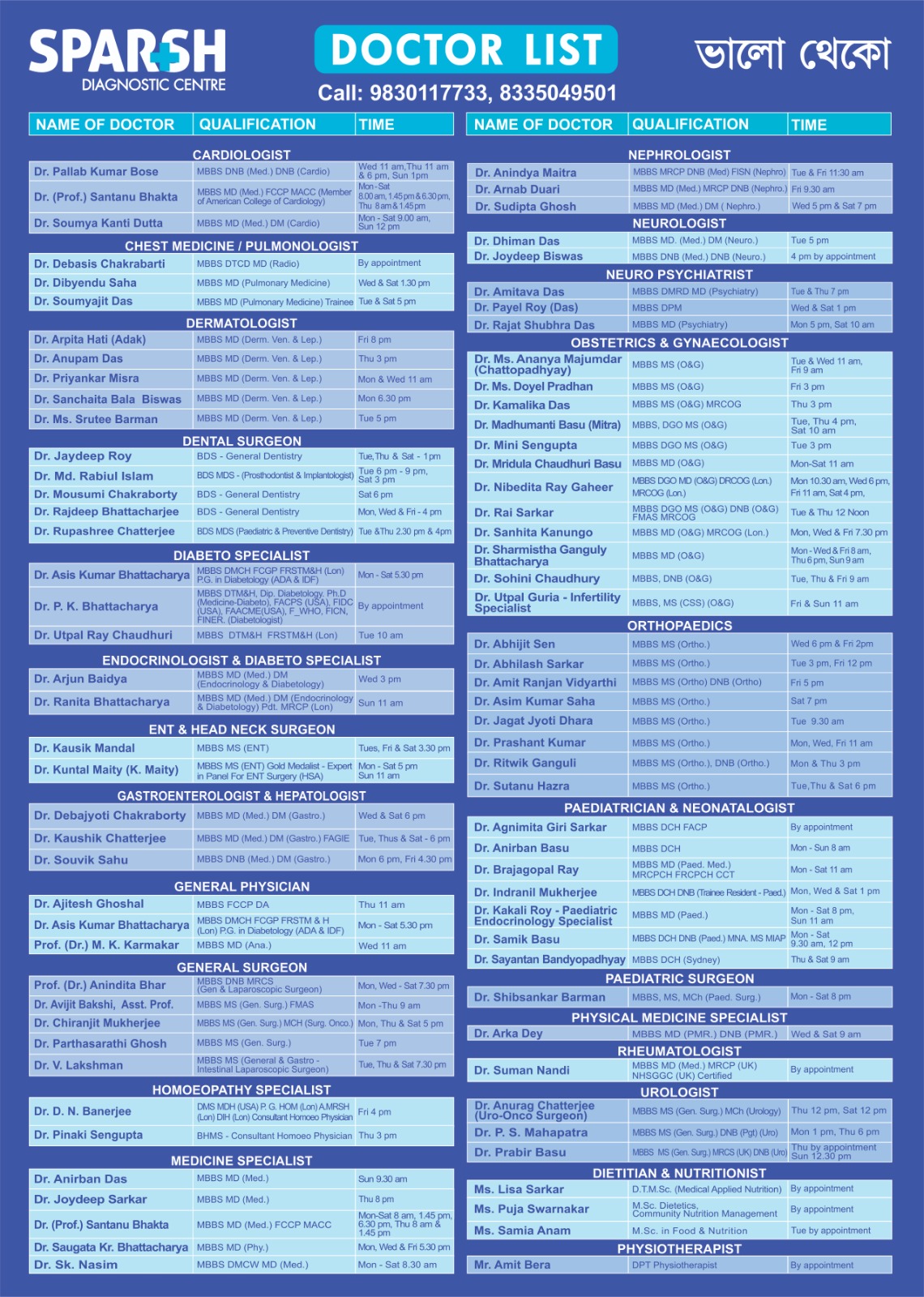
Sparsh Doctor List


[…] Disseminated intravascular coagulation (DIC) […]
[…] Disseminated Intravascular Coagulation (DIC) […]