


Adrenal Fatigue Syndrome (AFS) is a term used to describe a collection of nonspecific symptoms—such as chronic tiredness, sleep disturbances, body aches, digestive discomfort, and difficulty handling stress—that are believed to result from the adrenal glands’ inability to keep up with daily demands. While adrenal fatigue is not officially recognised as a medical diagnosis in conventional medicine, the symptoms are very real and often disruptive to daily life. Many people experiencing persistent exhaustion that does not improve with rest may wonder whether their adrenal glands are struggling to cope with prolonged stress.
This comprehensive guide explores the symptoms, possible causes, underlying physiology, diagnosis, treatment options, and lifestyle modifications for managing Adrenal Fatigue Syndrome.
Understanding the Role of Adrenal Glands
To appreciate how adrenal fatigue might occur, it’s important to understand the adrenal glands themselves. These two small, triangular glands sit on top of each kidney and are essential for survival. They produce key hormones such as:
Cortisol – The primary “stress hormone” that regulates metabolism, blood sugar, inflammation, and energy levels.
Adrenaline & Noradrenaline – Hormones involved in the “fight or flight” response.
Aldosterone – Helps maintain blood pressure and electrolyte balance.
DHEA – A precursor to sex hormones.
Under continuous stress—emotional, physical, or environmental—the adrenal glands may struggle to maintain optimal hormone balance. This imbalance is often linked to the symptoms attributed to Adrenal Fatigue Syndrome.
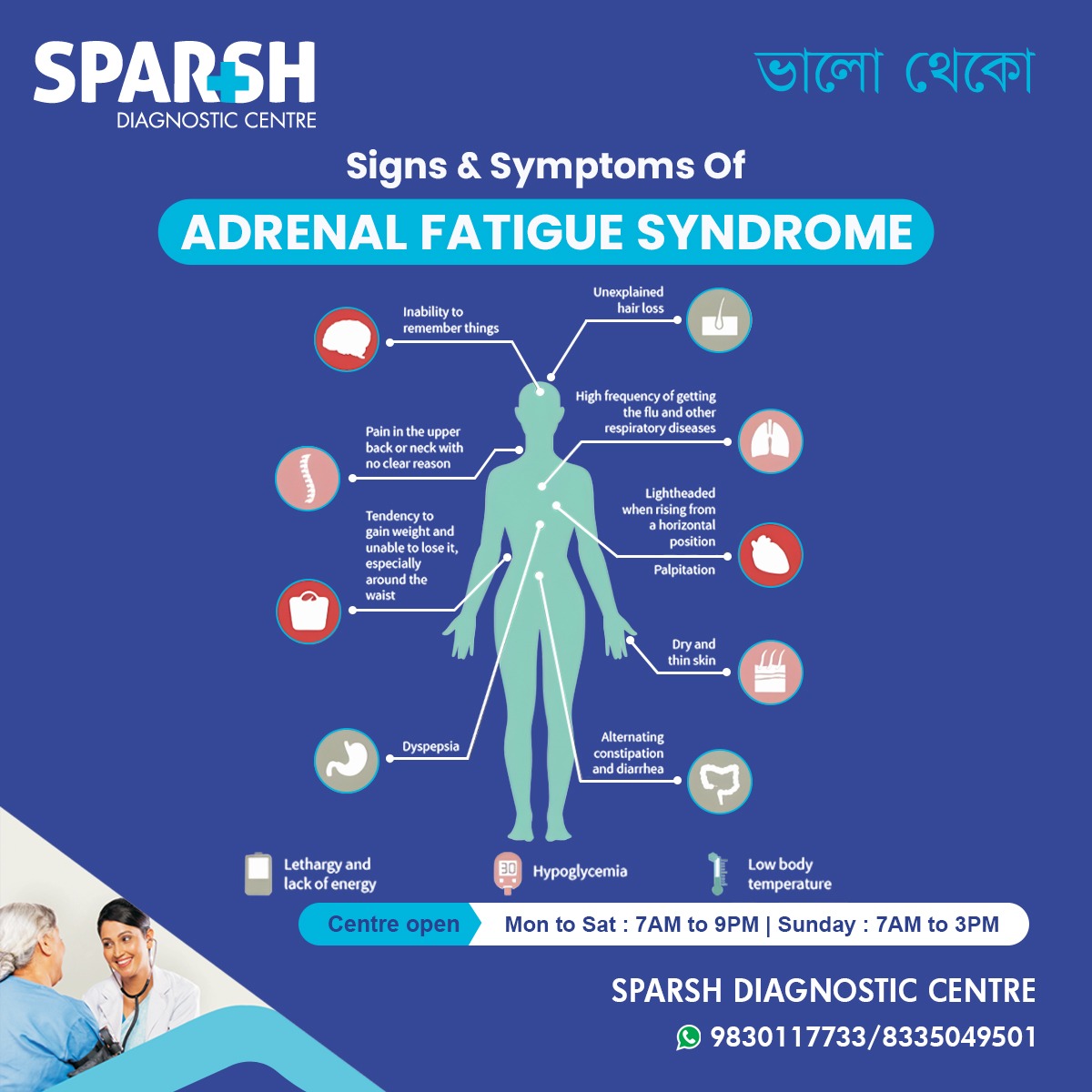
Signs & Symptoms of Adrenal Fatigue Syndrome
People who experience adrenal fatigue often report a cluster of symptoms. Some of the commonly described signs include:
1. Persistent Fatigue
Even after a full night’s sleep, individuals may feel exhausted upon waking and throughout the day. This lethargy is often the most prominent symptom.
2. Difficulty Remembering Things
Mild cognitive impairment or “brain fog,” including forgetfulness and difficulty concentrating, is frequently reported.
3. Frequent Illnesses
A compromised stress response may weaken the immune system, leading to recurrent colds, flu, and other respiratory illnesses.
4. Unexplained Hair Loss
Hormonal imbalance may contribute to thinning hair or increased shedding.
5. Pain in the Upper Back or Neck
Some people experience musculoskeletal discomfort without a clear physical cause.
6. Weight Gain Around the Waist
Stress-induced cortisol imbalance may cause fat accumulation around the abdomen, often resistant to diet and exercise.
7. Lightheadedness
Feeling dizzy when standing up suddenly (postural hypotension) can occur due to altered aldosterone regulation.
8. Palpitations
A racing heartbeat or irregular heartbeat may be triggered by stress or hormonal fluctuations.
9. Dry and Thin Skin
Reduced hormone production may impact skin health and hydration.
10. Digestive Problems
Symptoms such as indigestion (dyspepsia), bloating, constipation, or alternating diarrhea are common.
11. Hypoglycemia
Low blood sugar levels may cause shakiness, irritability, and hunger.
12. Low Body Temperature
People may feel unusually cold due to a slowed metabolic response.
What Causes Adrenal Fatigue Syndrome?
Although adrenal fatigue is primarily associated with chronic stress, several underlying factors can contribute to the condition:
1. Long-Term Emotional Stress
Work pressure, relationship issues, caregiving responsibilities, and anxiety can chronically activate the stress response.
2. Physical Stressors
Chronic pain, prolonged illness, infections, and lack of sleep place ongoing strain on the adrenal glands.
3. Poor Lifestyle Habits
Unbalanced diets, excessive caffeine, skipping meals, and irregular sleep patterns may disrupt hormonal balance.
4. Environmental Factors
Exposure to toxins, pollution, or chemicals can increase stress on the body’s systems.
5. Hormonal Imbalances
Thyroid disorders, perimenopause, or metabolic syndromes may interact with adrenal function.
How Stress Affects the Adrenal Glands
The body’s stress-handling mechanism relies on the Hypothalamic-Pituitary-Adrenal (HPA) axis, which controls cortisol production. Under prolonged stress:
The brain continually signals the adrenal glands to release cortisol.
Over time, this constant demand may lead to dysregulation of cortisol secretion.
The body may produce too much cortisol initially, followed by an eventual drop.
This imbalance leads to the symptoms associated with adrenal fatigue.
Is Adrenal Fatigue a Recognised Medical Condition?
Many doctors and medical organisations state that adrenal fatigue is not an officially recognised diagnosis due to insufficient scientific evidence. However, many clinicians acknowledge a related medical condition called adrenal insufficiency, which is a serious disorder diagnosed through specific tests.
While adrenal fatigue may not have a formal medical definition, the symptoms are genuine and may indicate underlying stress overload, sleep deprivation, nutritional deficiencies, thyroid issues, or chronic inflammation.
Diagnosis of Adrenal Fatigue
There is no single test to confirm adrenal fatigue. However, healthcare providers may:
Evaluate detailed medical history
Assess lifestyle and stress levels
Rule out conditions like hypothyroidism, anemia, infections, diabetes, and adrenal insufficiency
Order relevant hormonal tests such as:
Cortisol (morning and evening levels)
ACTH
Thyroid panel
Vitamin D & B12
Blood sugar profile
Some practitioners may use salivary cortisol tests to assess the daily cortisol rhythm.
Treatment Approaches for Adrenal Fatigue Syndrome
Since adrenal fatigue is closely linked to lifestyle factors, treatment usually focuses on holistic improvements in daily habits.
1. Stress Management
Reducing stress is crucial. Useful methods include:
Deep-breathing exercises
Meditation and mindfulness
Yoga or stretching routines
Maintaining a healthy work-life balance
2. Improving Sleep Quality
Rest is essential for hormone regulation. Tips include:
Going to bed at the same time daily
Limiting screen time before sleep
Keeping the bedroom cool and dark
Avoiding stimulants late in the day
3. Balanced Nutrition
A nourishing diet supports adrenal recovery. Recommended foods include:
Lean proteins
Whole grains
Fresh fruits and vegetables
Nuts and seeds
Hydrating fluids
Avoid high-sugar foods, excessive caffeine, processed snacks, and irregular meals.
4. Gentle Physical Activity
Low-impact exercises such as walking, swimming, or light jogging help strengthen the body without causing additional stress.
5. Targeted Supplements (under medical supervision)
Some people may benefit from:
Consulting a healthcare professional is essential before starting any supplements.
6. Treating Underlying Issues
If adrenal fatigue symptoms stem from unrecognised conditions like thyroid dysfunction, anemia, or chronic infection, treating these root causes is essential.
Long-Term Management & Prevention
To prevent recurrence, it is important to adopt a sustainable lifestyle:
Prioritise rest
Eat balanced meals
Limit stress
Exercise regularly
Stay hydrated
Take periodic breaks during mentally demanding tasks
Avoid over-reliance on caffeine and stimulants
Building resilience through healthy routines can significantly improve energy levels and overall well-being.
FAQs on Adrenal Fatigue Syndrome
1. Is adrenal fatigue the same as adrenal insufficiency?
No. Adrenal insufficiency is a medically diagnosed condition where the adrenal glands cannot produce adequate hormones. Adrenal fatigue is an unofficial term for symptoms believed to result from stress overload.
2. How long does it take to recover from adrenal fatigue?
Recovery varies depending on lifestyle, severity of symptoms, and overall health. Some people feel better within weeks, while others may take several months.
3. Can adrenal fatigue cause digestive issues?
Yes. Stress affects the gut, leading to indigestion, bloating, constipation, or diarrhea.
4. Does caffeine worsen adrenal fatigue?
Excessive caffeine can overstimulate the adrenal glands and disrupt sleep, potentially worsening symptoms.
5. Can adrenal fatigue cause anxiety?
Yes. Hormonal imbalance and poor stress tolerance may contribute to increased anxiety or irritability.
6. Is there a specific diet for adrenal fatigue?
A diet rich in whole foods, lean proteins, complex carbohydrates, and antioxidants supports adrenal health. Limiting sugar and caffeine is recommended.
7. Should I see a doctor if I suspect adrenal fatigue?
Yes. It is important to rule out other conditions like thyroid disorders, anemia, infections, or metabolic issues.
#BhaloTheko
Disclaimer:
No content on this site, regardless of date, should ever be used as a substitute for direct medical advice from your doctor or other qualified clinician.
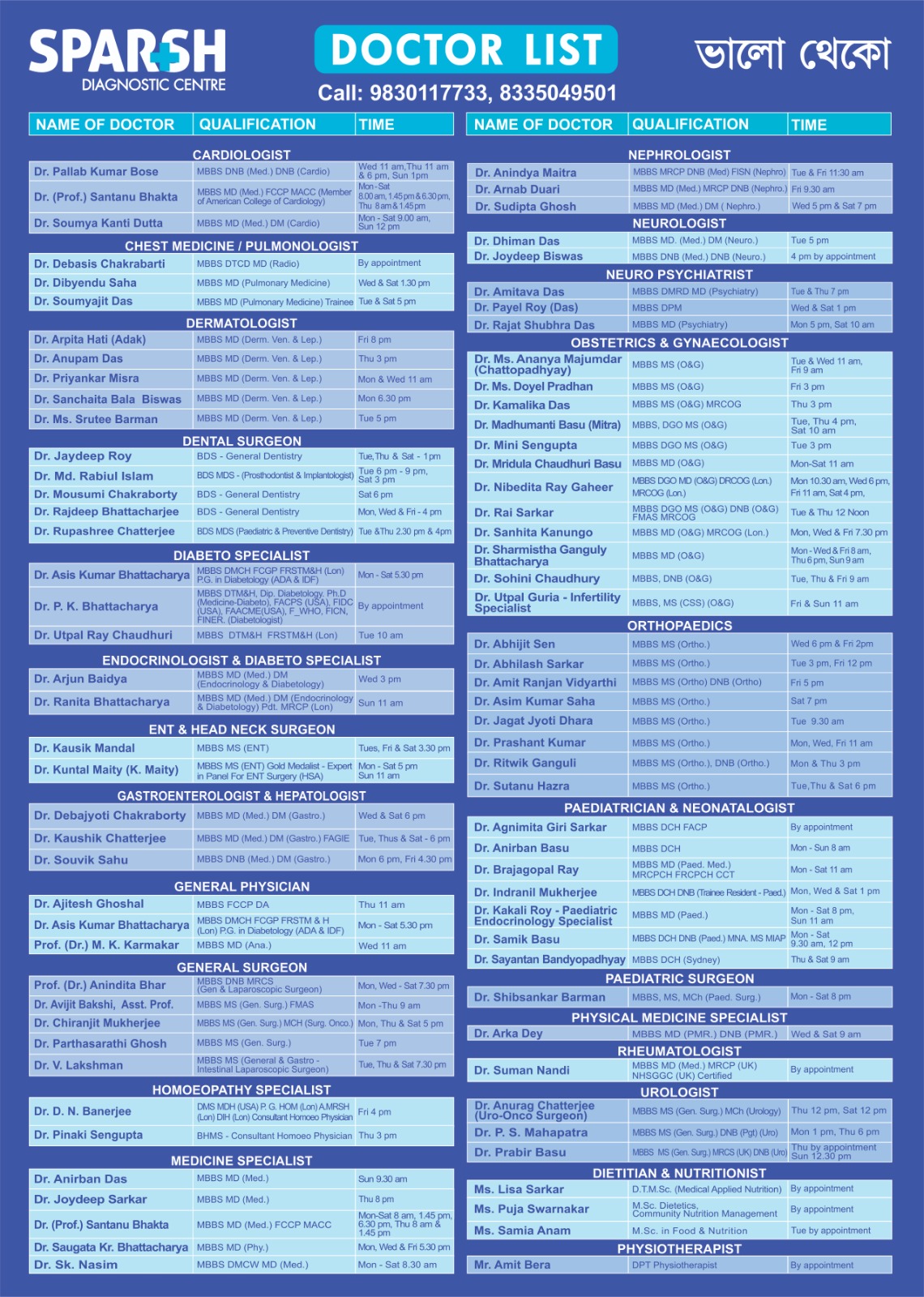
Sparsh Doctor List


