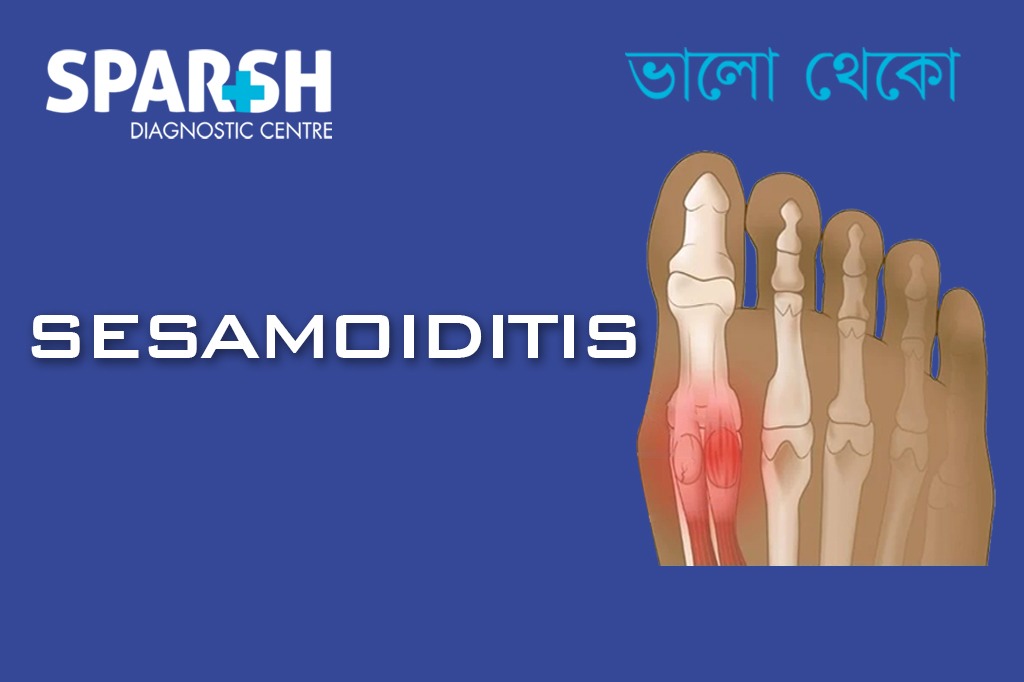
Foot pain can make even the simplest daily activities feel exhausting. If you experience pain beneath your big toe while walking, running, or standing for long periods, you may be dealing with sesamoiditis. This condition affects the tiny sesamoid bones located under the joint of the big toe and is common among athletes, dancers, runners, and people who spend a lot of time on their feet.
Although sesamoiditis is usually not dangerous, ignoring it can lead to chronic pain and mobility problems. The good news is that early diagnosis and proper treatment often help people recover without surgery.
In this guide, we’ll explore everything you need to know about sesamoiditis, including causes, symptoms, diagnosis, treatment options, recovery time, and prevention tips.
What Is Sesamoiditis?
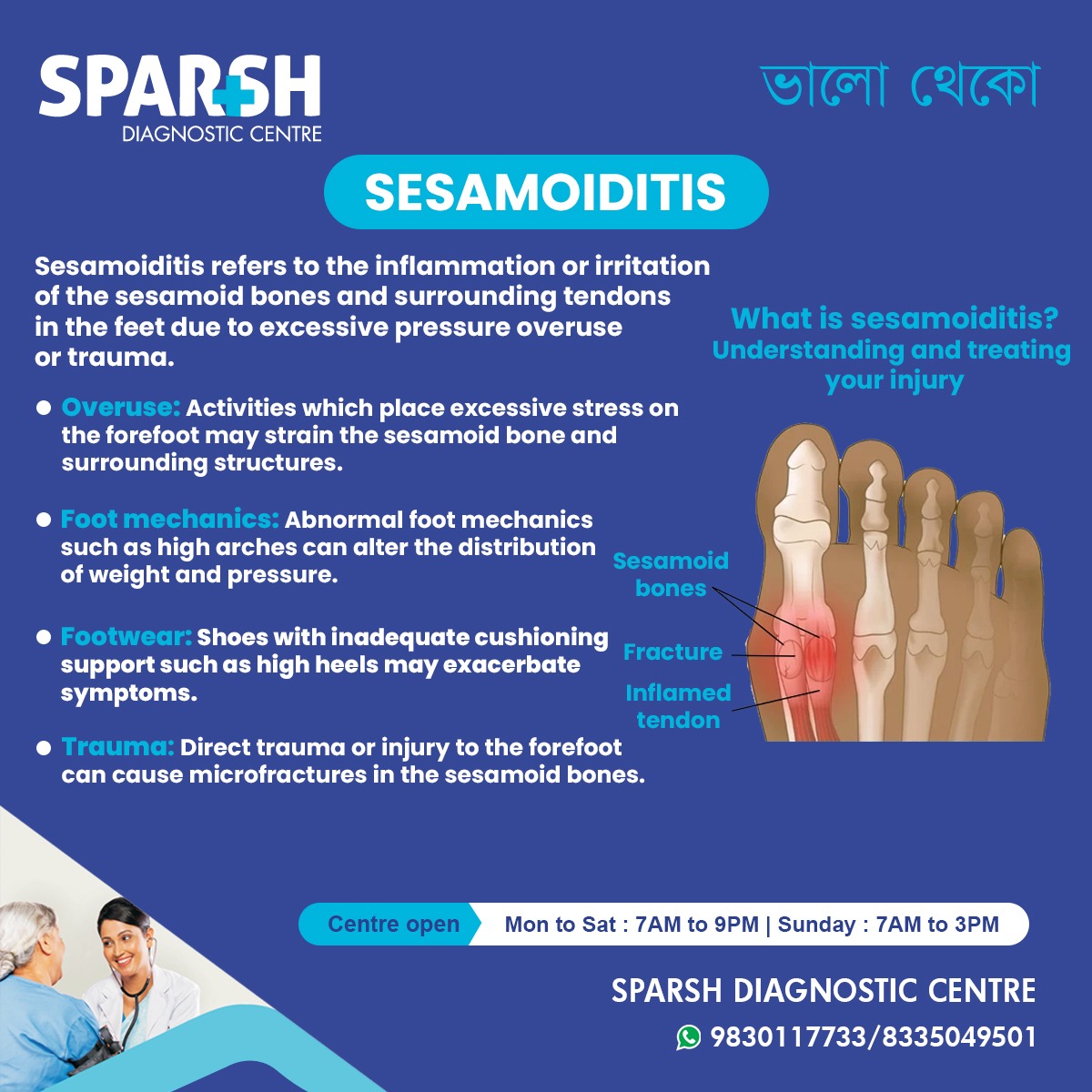
Sesamoiditis is an inflammatory condition affecting the sesamoid bones and surrounding tendons in the foot. The sesamoid bones are two tiny, pea-shaped bones located beneath the big toe joint. These bones are embedded within tendons and act like pulleys, helping the tendons move smoothly while bearing body weight.
Unlike most bones in the body, sesamoid bones are not directly connected to other bones. Instead, they help absorb pressure and improve movement efficiency during walking, running, and jumping.
When excessive stress, repetitive pressure, or trauma irritates these bones and surrounding tissues, inflammation develops, leading to pain and discomfort. This condition is known as sesamoiditis.
Anatomy of the Sesamoid Bones
Understanding the anatomy of the sesamoid bones can make it easier to understand why sesamoiditis occurs.
The two sesamoid bones sit under the first metatarsophalangeal (MTP) joint, which is the joint at the base of the big toe. Their main functions include:
- Absorbing impact during movement
- Reducing friction in tendons
- Assisting weight-bearing activities
- Improving the mechanical advantage of the toe muscles
- Helping push the body forward during walking and running
Because these tiny bones carry significant pressure, they are vulnerable to overuse injuries.
Causes of Sesamoiditis
Sesamoiditis usually develops due to repetitive stress on the forefoot. Several factors may increase the risk.
Overuse and Repetitive Stress
Activities involving repeated pressure on the ball of the foot are the most common cause. These include:
- Running
- Ballet dancing
- Basketball
- Tennis
- Jumping sports
- High-impact workouts
Athletes often develop sesamoiditis because the forefoot repeatedly absorbs force during activity.
Foot Structure and Mechanics
Certain foot shapes place additional stress on the sesamoid bones. Risk factors include:
- High arches
- Flat feet
- Tight calf muscles
- Abnormal walking patterns
- Limited ankle flexibility
These biomechanical issues can alter pressure distribution in the foot.
Wearing Improper Footwear
Shoes with poor cushioning or high heels increase pressure on the front of the foot. Walking barefoot on hard surfaces for prolonged periods may also contribute.
Trauma or Injury
A sudden injury, such as landing awkwardly or dropping a heavy object on the foot, can inflame or damage the sesamoid bones.
Increased Physical Activity
Rapidly increasing exercise intensity or duration without proper conditioning can overload the foot structures.
Symptoms of Sesamoiditis
Symptoms may develop gradually or suddenly, depending on the cause.
Pain Under the Big Toe
The most common symptom is pain beneath the big toe joint, especially on the ball of the foot. The pain may:
- Worsen while walking or running
- Increase when bending the big toe
- Improve with rest
- Feel sharp, aching, or throbbing
Swelling and Inflammation
Mild swelling and tenderness around the big toe joint are common.
Difficulty Walking
People with sesamoiditis often shift weight away from the painful area, causing an altered walking pattern.
Reduced Toe Movement
Moving the big toe may become uncomfortable or stiff.
Bruising
In some cases, especially after trauma, bruising may appear around the affected area.
Sesamoiditis vs Sesamoid Fracture
Sesamoiditis and sesamoid fractures can produce similar symptoms, but they are different conditions.
| Feature | Sesamoiditis | Sesamoid Fracture |
|---|---|---|
| Cause | Overuse and inflammation | Acute injury or stress fracture |
| Pain onset | Gradual | Sudden or progressive |
| Swelling | Mild | Often more severe |
| X-ray findings | Usually normal | May show fracture |
| Treatment | Conservative management | May require immobilization |
Because symptoms overlap, imaging tests are often needed for an accurate diagnosis.
Who Is at Risk of Sesamoiditis?
Some individuals are more likely to develop sesamoiditis than others.
Athletes
Runners, dancers, gymnasts, basketball players, and soccer players place repetitive stress on the forefoot.
Dancers
Ballet dancers are particularly vulnerable because dancing on the toes increases pressure beneath the big toe joint.
People with Foot Abnormalities
Structural problems like high arches or bunions can change weight distribution.
Individuals Wearing High Heels
High heels shift body weight forward, increasing stress on the sesamoid bones.
People with Certain Occupations
Jobs requiring prolonged standing or walking may contribute to chronic foot strain.
How Sesamoiditis Is Diagnosed
A healthcare professional typically diagnoses sesamoiditis through a physical examination and imaging studies.
Medical History
Your doctor may ask about:
- Activity level
- Sports participation
- Previous injuries
- Footwear habits
- Onset and duration of symptoms
Physical Examination
The affected area is checked for:
- Tenderness beneath the big toe
- Swelling
- Pain during toe movement
- Walking abnormalities
Imaging Tests
X-rays
X-rays help rule out fractures and other bone abnormalities.
MRI Scan
MRI imaging can detect inflammation in soft tissues and bone marrow.
Bone Scan
In rare cases, bone scans help identify stress injuries not visible on standard X-rays.
CT Scan
CT scans provide detailed images of the sesamoid bones and surrounding structures.
Treatment for Sesamoiditis
Most cases improve with conservative treatment. Early management often prevents long-term complications.
Rest and Activity Modification
Reducing activities that aggravate the condition is essential. Temporary avoidance of running, jumping, or dancing allows inflammation to heal.
Ice Therapy
Applying ice packs for 15–20 minutes several times daily helps reduce pain and swelling.
Pain Relievers
Over-the-counter anti-inflammatory medications may provide temporary relief.
Examples include:
- Ibuprofen
- Naproxen
These medications should be used under medical guidance, especially in people with stomach, kidney, or heart conditions.
Footwear Changes
Supportive shoes with cushioned soles reduce pressure on the forefoot.
Recommended footwear features include:
- Soft soles
- Wide toe box
- Arch support
- Shock absorption
Orthotic Devices
Custom orthotics or padding may help redistribute weight away from the sesamoid bones.
A dancer’s pad or sesamoid pad is commonly recommended.
Taping Techniques
Taping the big toe in a slightly downward position can reduce tendon tension.
Physical Therapy
A physical therapist may recommend exercises to:
- Improve flexibility
- Strengthen foot muscles
- Correct walking mechanics
- Reduce stress on the forefoot
Immobilization
Severe cases may require a walking boot or stiff-soled shoe for several weeks.
Corticosteroid Injections
In some cases, steroid injections help reduce persistent inflammation. However, repeated injections are usually avoided because they may weaken surrounding tissues.
Surgery
Surgery is rarely necessary but may be considered if symptoms persist despite months of conservative treatment.
Surgical options may involve:
- Removing one sesamoid bone
- Repairing fractures
- Correcting deformities
Recovery Time for Sesamoiditis
Recovery varies depending on severity and adherence to treatment.
Mild Cases
Symptoms may improve within a few weeks with rest and footwear changes.
Moderate Cases
Recovery may take several months if inflammation is significant.
Severe or Chronic Cases
Persistent cases involving stress fractures or prolonged overuse can take six months or longer.
Returning to sports too early may worsen the condition.
Exercises for Sesamoiditis Recovery
Gentle exercises may improve mobility and reduce stiffness once pain begins to improve.
Toe Stretch
Gently pull the big toe upward and hold for 15–20 seconds.
Towel Scrunches
Use your toes to scrunch a towel on the floor.
Calf Stretch
Tight calf muscles can increase forefoot pressure. Stretching helps improve flexibility.
Marble Pickups
Picking up marbles with your toes strengthens intrinsic foot muscles.
Exercises should not cause sharp pain. A physical therapist can provide personalized guidance.
Complications of Untreated Sesamoiditis
Ignoring symptoms can lead to chronic problems, including:
- Persistent foot pain
- Altered walking mechanics
- Stress fractures
- Joint stiffness
- Arthritis in the big toe joint
Early treatment significantly lowers the risk of complications.
Preventing Sesamoiditis
Prevention strategies focus on reducing excessive pressure on the forefoot.
Wear Proper Footwear
Choose shoes with adequate cushioning and support.
Avoid Overtraining
Gradually increase exercise intensity to avoid repetitive strain.
Use Orthotics if Needed
Custom insoles may help correct abnormal foot mechanics.
Stretch Regularly
Maintaining flexibility in the calves and feet reduces stress on the forefoot.
Replace Worn-Out Shoes
Old athletic shoes lose shock absorption over time.
Maintain Healthy Body Weight
Excess weight increases pressure on the feet.
When Should You See a Doctor?
You should seek medical attention if:
- Foot pain persists for several days
- Walking becomes difficult
- Swelling increases
- Pain worsens with activity
- Home treatment does not help
- You suspect a fracture
Prompt diagnosis can prevent long-term damage.
Living With Sesamoiditis
Most people recover successfully with conservative care and lifestyle adjustments. Patience is important because the sesamoid bones heal slowly due to constant pressure during walking.
Returning to activities gradually, wearing supportive footwear, and listening to your body can reduce the chance of recurrence.
If symptoms repeatedly return, a podiatrist or orthopedic specialist can evaluate underlying biomechanical issues contributing to the problem.
Frequently Asked Questions (FAQs)
What is the main cause of sesamoiditis?
The most common cause is repetitive stress on the ball of the foot from activities such as running, dancing, or jumping.
How long does sesamoiditis take to heal?
Mild cases may heal within a few weeks, while severe cases can take several months.
Can you walk with sesamoiditis?
Yes, but walking may worsen symptoms if excessive pressure is placed on the affected area.
Is sesamoiditis serious?
It is usually not dangerous, but untreated sesamoiditis can lead to chronic pain and complications.
Can sesamoiditis heal on its own?
Some mild cases improve with rest and reduced activity, but medical treatment may be necessary if symptoms persist.
What shoes are best for sesamoiditis?
Shoes with cushioning, arch support, and a wide toe box are generally recommended.
Is surgery necessary for sesamoiditis?
Most people recover without surgery. Surgery is usually reserved for severe or chronic cases.
Can running cause sesamoiditis?
Yes, repetitive impact from running is a common cause.
What exercises help sesamoiditis?
Toe stretches, calf stretches, towel scrunches, and strengthening exercises may help during recovery.
Can high heels cause sesamoiditis?
Yes, high heels increase pressure on the front of the foot and may contribute to inflammation.
Sesamoiditis is a painful but treatable condition affecting the tiny sesamoid bones beneath the big toe joint. Repetitive stress, poor footwear, abnormal foot mechanics, and sports activities are common causes.
Early recognition of symptoms and timely treatment can make a major difference in recovery. Rest, supportive footwear, physical therapy, orthotics, and lifestyle changes often provide significant relief without surgery.
If you experience persistent pain beneath your big toe, don’t ignore it. A proper diagnosis and personalized treatment plan can help you return to comfortable movement and prevent future complications.
To consult a Doctor at Sparsh Diagnostic Centre, call our helpline numbers 9830117733/ 8335049501.
#BhaloTheko
Disclaimer:
No content on this site, regardless of date, should ever be used as a substitute for direct medical advice from your doctor or other qualified clinician.