Neuroacanthocytosis is a rare group of neurological disorders that affect movement, behavior, and muscle control. What makes these conditions unique is the presence of abnormal red blood cells called acanthocytes, which have spiky or irregular shapes. Although the disorder is uncommon, its impact on daily life can be significant, often affecting speech, mobility, swallowing, and emotional well-being.
Because neuroacanthocytosis is rare and symptoms can resemble other neurological diseases, diagnosis is often delayed. Many people first notice unusual involuntary movements, difficulty coordinating actions, or psychiatric changes before the condition is correctly identified.
In this article, we’ll explore everything you need to know about neuroacanthocytosis, including its causes, symptoms, diagnosis, treatment options, prognosis, and frequently asked questions.
What Is Neuroacanthocytosis?
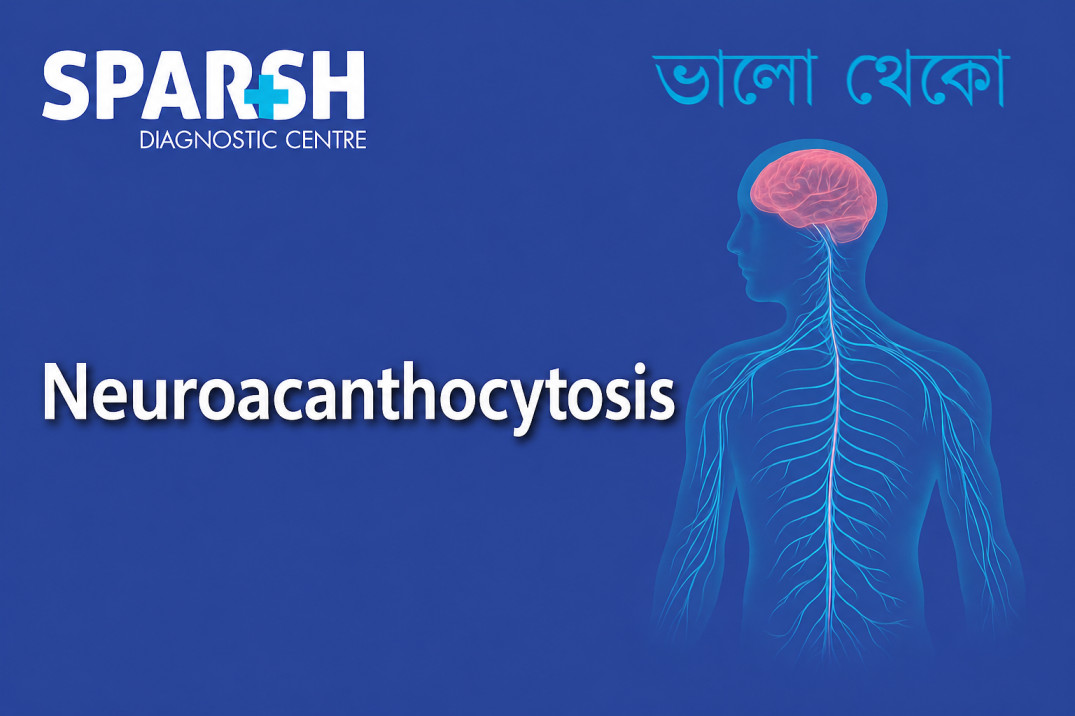
Neuroacanthocytosis refers to a group of inherited neurological disorders associated with abnormal movement and spiky red blood cells. The condition primarily affects the basal ganglia, the part of the brain responsible for controlling movement.
The two most recognized forms are:
- Chorea-acanthocytosis
- McLeod syndrome
Other related disorders may also fall under the neuroacanthocytosis spectrum.
The condition is progressive, meaning symptoms usually worsen over time. It commonly appears in early adulthood, although onset can vary depending on the specific subtype.
Why Does Neuroacanthocytosis Occur?
Neuroacanthocytosis is mainly caused by genetic mutations that interfere with normal nerve cell function and red blood cell structure.
Genetic Causes
Different forms of neuroacanthocytosis are linked to different genes:
- Chorea-acanthocytosis is associated with mutations in the VPS13A gene.
- McLeod syndrome is linked to mutations in the XK gene.
These mutations affect proteins necessary for healthy brain and blood cell function.
Inheritance Pattern
The inheritance pattern depends on the subtype:
- Chorea-acanthocytosis is usually inherited in an autosomal recessive manner.
- McLeod syndrome follows an X-linked inheritance pattern.
Family history may increase the likelihood of developing the condition, though some people may not realize the disorder exists in their family due to its rarity.
Types of Neuroacanthocytosis
Chorea-Acanthocytosis
This is the most common form of neuroacanthocytosis. It typically develops between the ages of 20 and 40.
Common features include:
- Involuntary jerking movements
- Facial grimacing
- Difficulty speaking
- Tongue biting
- Muscle weakness
- Behavioral or psychiatric symptoms
McLeod Syndrome
McLeod syndrome affects males more commonly because it is X-linked.
Symptoms may include:
- Movement disorders
- Muscle wasting
- Cardiomyopathy
- Peripheral neuropathy
- Cognitive decline
Huntington Disease-Like 2
Although less common, some disorders resembling Huntington disease may also show acanthocytosis.
Symptoms of Neuroacanthocytosis
Symptoms vary from person to person and often progress slowly over several years.
Movement-Related Symptoms
One of the earliest and most noticeable signs involves abnormal movement.
Common movement symptoms include:
- Chorea (rapid, involuntary movements)
- Dystonia (muscle contractions causing twisting movements)
- Tics
- Tremors
- Muscle spasms
- Difficulty walking
- Poor balance and coordination
Many patients develop unusual facial and mouth movements that interfere with eating and speaking.
Oral and Feeding Difficulties
People with neuroacanthocytosis often experience:
- Tongue protrusion
- Lip biting
- Difficulty swallowing
- Slurred speech
- Choking episodes
These symptoms can lead to weight loss and nutritional deficiencies.
Psychiatric and Behavioral Changes
Mental health symptoms are also common and may appear before physical symptoms.
These can include:
- Depression
- Anxiety
- Irritability
- Obsessive-compulsive behaviors
- Personality changes
- Impulsiveness
In some cases, symptoms may initially be mistaken for a psychiatric disorder.
Cognitive Symptoms
As the disease progresses, some individuals develop:
- Memory problems
- Reduced concentration
- Executive dysfunction
- Cognitive decline
Muscle and Nerve Problems
Additional neurological features may include:
- Muscle weakness
- Peripheral neuropathy
- Loss of reflexes
- Seizures
What Are Acanthocytes?
Acanthocytes are abnormal red blood cells with thorny or spiky projections.
Under a microscope, these cells appear irregular rather than smooth and round. Their presence can provide an important clue in diagnosing neuroacanthocytosis, although not all patients have high numbers of acanthocytes at every stage.
How Is Neuroacanthocytosis Diagnosed?
Diagnosing neuroacanthocytosis can be challenging because symptoms overlap with other neurological disorders such as Huntington disease or Parkinsonian syndromes.
Doctors usually combine clinical evaluation, laboratory tests, imaging studies, and genetic testing.
Medical History and Neurological Examination
A neurologist will assess:
- Movement abnormalities
- Muscle tone
- Reflexes
- Coordination
- Cognitive function
- Psychiatric symptoms
Family history may also provide useful clues.
Blood Tests
Blood tests may reveal:
- Elevated creatine kinase (CK) levels
- Abnormal liver enzymes
- Presence of acanthocytes
A specialized blood smear is often used to identify spiky red blood cells.
Genetic Testing
Genetic testing is one of the most reliable ways to confirm the diagnosis.
Testing may identify mutations in:
- VPS13A
- XK
- Other related genes
Brain Imaging
MRI scans may show degeneration in areas of the brain responsible for movement control, especially the basal ganglia.
Electromyography and Nerve Studies
These tests help evaluate muscle and nerve function when neuropathy or muscle weakness is present.
Conditions That May Mimic Neuroacanthocytosis
Because symptoms overlap with other disorders, doctors often consider several alternative diagnoses before confirming neuroacanthocytosis.
These may include:
- Huntington disease
- Wilson disease
- Tourette syndrome
- Parkinson’s disease
- Tardive dyskinesia
- Spinocerebellar ataxia
Careful evaluation and genetic testing help distinguish these conditions.
Treatment for Neuroacanthocytosis
There is currently no cure for neuroacanthocytosis. Treatment focuses on symptom management, improving quality of life, and preventing complications.
A multidisciplinary approach is usually most effective.
Medications for Movement Symptoms
Doctors may prescribe medications to reduce involuntary movements and muscle spasms.
These can include:
- Dopamine-depleting drugs
- Antipsychotic medications
- Muscle relaxants
- Anti-seizure medications
Response to treatment varies from person to person.
Physical and Occupational Therapy
Physical therapy helps maintain:
- Strength
- Flexibility
- Balance
- Mobility
Occupational therapy can improve independence with daily activities such as dressing, eating, and personal care.
Speech and Swallowing Therapy
Speech therapists can help patients manage:
- Communication difficulties
- Swallowing problems
- Choking risks
Dietary adjustments may also be necessary to ensure safe nutrition.
Mental Health Support
Psychological and psychiatric support is often essential.
Treatment may involve:
- Counseling
- Behavioral therapy
- Antidepressant medications
- Anxiety management
Caregiver support is also important because the disorder can place significant emotional strain on families.
Nutritional Support
Difficulty swallowing and excessive involuntary movement may lead to weight loss.
Some patients benefit from:
- High-calorie diets
- Nutritional supplements
- Feeding assistance
In severe cases, feeding tubes may become necessary.
Deep Brain Stimulation (DBS)
In select patients, deep brain stimulation may help reduce severe movement symptoms.
This surgical treatment involves implanting electrodes into specific brain regions to regulate abnormal signals.
Although DBS is not suitable for everyone, some patients experience meaningful improvement in movement control.
Living With Neuroacanthocytosis
Living with neuroacanthocytosis can be physically and emotionally demanding. Symptoms often progress gradually, affecting independence and communication.
However, supportive care, rehabilitation, and early intervention can significantly improve quality of life.
Important lifestyle strategies include:
- Maintaining regular medical follow-up
- Preventing falls
- Using mobility aids when needed
- Staying physically active within safe limits
- Building emotional support networks
Family education is equally important because caregivers often play a major role in long-term management.
Complications of Neuroacanthocytosis
Without proper care, neuroacanthocytosis may lead to serious complications such as:
- Severe malnutrition
- Aspiration pneumonia
- Falls and injuries
- Progressive disability
- Cardiac complications
- Social isolation
Early recognition and ongoing management help reduce these risks.
Prognosis and Life Expectancy
The progression of neuroacanthocytosis varies widely depending on the subtype and severity.
Some individuals experience slow progression over decades, while others develop significant disability earlier.
Although there is no cure, supportive treatments can improve comfort, mobility, and overall functioning.
Regular monitoring by neurologists and other specialists remains essential throughout the course of the disease.
Current Research and Future Treatments
Researchers continue studying neuroacanthocytosis to better understand its genetic and neurological mechanisms.
Current areas of research include:
- Gene-targeted therapies
- Neuroprotective treatments
- Advanced brain stimulation techniques
- Improved diagnostic tools
Because the condition is rare, international collaboration plays a major role in advancing research and treatment development.
When to See a Doctor
You should seek medical evaluation if you or someone you know experiences:
- Unexplained involuntary movements
- Difficulty speaking or swallowing
- Progressive coordination problems
- Sudden behavioral or psychiatric changes
- Muscle weakness with neurological symptoms
Early diagnosis can help improve symptom management and long-term care planning.
Frequently Asked Questions (FAQs)
Is neuroacanthocytosis hereditary?
Yes. Most forms of neuroacanthocytosis are inherited genetic disorders caused by mutations in specific genes.
Is neuroacanthocytosis curable?
Currently, there is no cure. Treatment focuses on controlling symptoms and improving quality of life.
What age does neuroacanthocytosis start?
Symptoms often begin in early or middle adulthood, usually between ages 20 and 40, although onset may vary.
What are the first signs of neuroacanthocytosis?
Early signs may include involuntary movements, difficulty coordinating movements, speech changes, or psychiatric symptoms.
Can neuroacanthocytosis affect mental health?
Yes. Depression, anxiety, irritability, obsessive behaviors, and personality changes are common.
How rare is neuroacanthocytosis?
Neuroacanthocytosis is considered extremely rare worldwide.
What is the role of acanthocytes in diagnosis?
Acanthocytes are abnormal spiky red blood cells that can help support the diagnosis when seen on a blood smear.
Does neuroacanthocytosis affect life expectancy?
Life expectancy varies depending on disease severity, complications, and overall health management.
Can physical therapy help?
Yes. Physical therapy can improve mobility, balance, flexibility, and overall physical function.
Is genetic counseling recommended?
Yes. Genetic counseling can help affected families understand inheritance patterns and future risks.
Neuroacanthocytosis is a rare but serious neurological disorder that affects movement, behavior, and overall quality of life. Because symptoms often resemble other neurological diseases, diagnosis may take time. Recognizing the early warning signs, understanding the genetic basis, and seeking specialized neurological care are important steps toward effective management.
While there is currently no cure, advances in supportive therapies, rehabilitation, and research continue to improve patient care. A comprehensive treatment approach involving neurologists, therapists, mental health professionals, and caregivers can make a meaningful difference in daily living and long-term outcomes.
To consult a Doctor at Sparsh Diagnostic Centre, call our helpline numbers 9830117733/ 8335049501.
#BhaloTheko
Disclaimer:
No content on this site, regardless of date, should ever be used as a substitute for direct medical advice from your doctor or other qualified clinician.