Good oral hygiene is about more than keeping your smile bright. It also helps prevent serious dental problems such as cavities, gum disease, and bad breath. Two of the most common terms people hear during dental visits are plaque and calculus. While they are closely related, they are not the same thing.
Many people assume plaque and calculus are interchangeable, but understanding the difference can help you take better care of your teeth and gums. Plaque is soft and removable at home, while calculus is hardened and usually requires professional dental cleaning.
In this detailed guide, we will explore the difference between plaque and calculus, their causes, symptoms, treatment options, prevention methods, and why early care matters for long-term oral health.
What Is Dental Plaque?
Dental plaque is a soft, sticky film that constantly forms on the surface of your teeth and along the gumline. It contains bacteria, food particles, and saliva. Plaque begins forming within hours after brushing and can quickly build up if oral hygiene is neglected.
The bacteria present in plaque feed on sugars and carbohydrates from food. As they break down these substances, acids are produced. These acids attack tooth enamel and may eventually lead to cavities.
Plaque is usually colorless or pale yellow, which makes it difficult to notice in the early stages. However, if left untreated, it can irritate the gums and contribute to gingivitis.
Common Causes of Plaque
- Poor brushing habits
- Inadequate flossing
- Frequent sugary or starchy foods
- Dry mouth
- Smoking or tobacco use
- Skipping dental cleanings
- Wearing braces or dental appliances
What Is Dental Calculus?
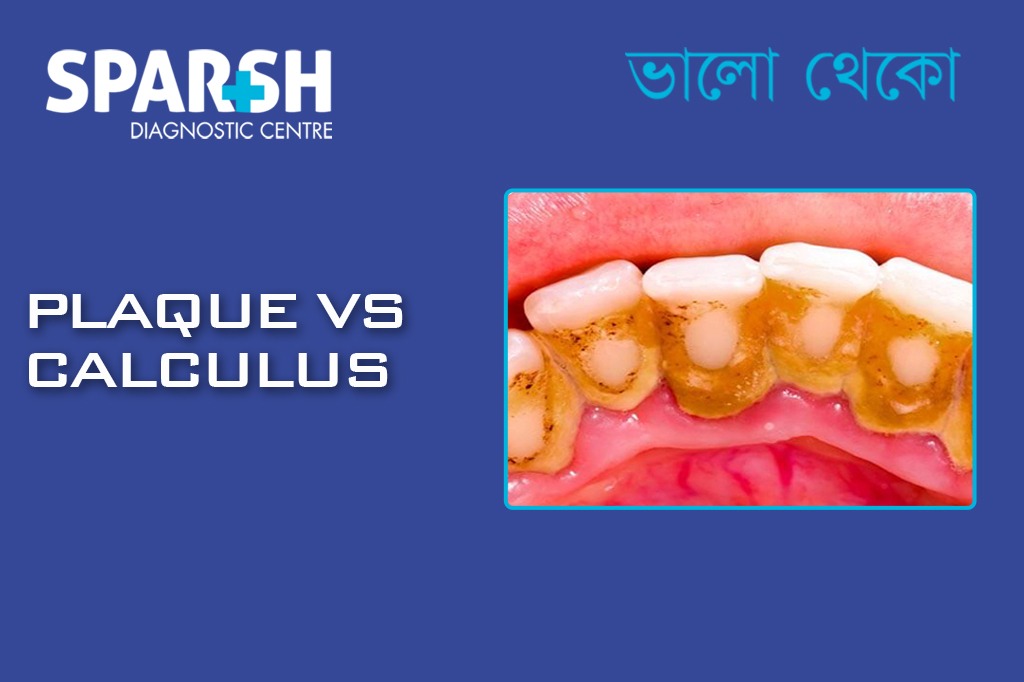
Dental calculus, also called tartar, is hardened plaque. When plaque remains on the teeth for too long, minerals from saliva combine with it and cause it to harden into a rough deposit.
Unlike plaque, calculus cannot be removed with regular brushing or flossing. It firmly attaches to the teeth and often develops near the gumline. Calculus may appear yellow, brown, or even black depending on severity and lifestyle habits like smoking.
The rough surface of calculus allows more plaque and bacteria to collect, increasing the risk of gum disease and tooth decay.
Common Causes of Calculus Formation
- Long-term plaque buildup
- Irregular brushing and flossing
- Smoking
- High mineral content in saliva
- Poor dietary habits
- Skipping professional dental cleanings
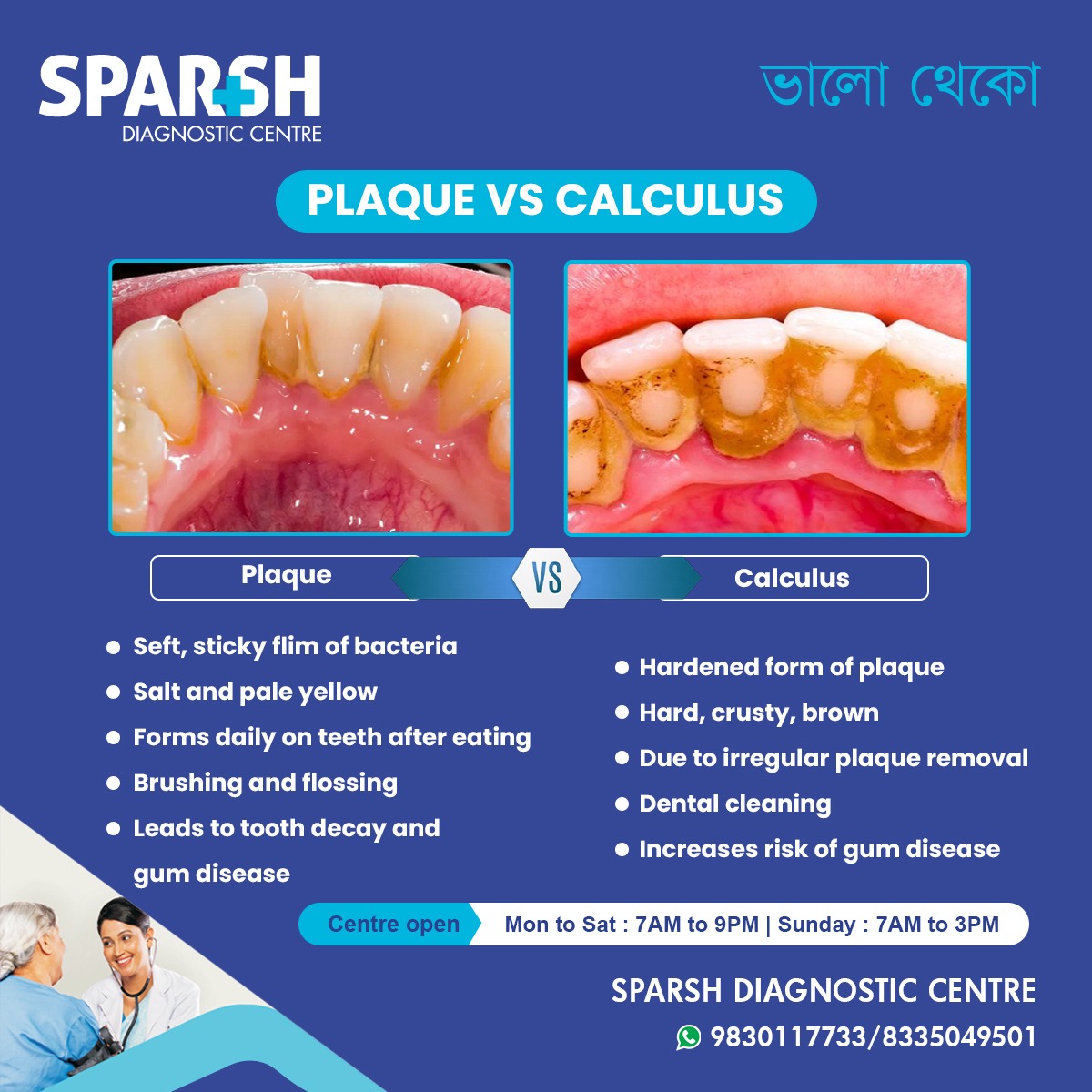
Plaque vs Calculus: The Main Difference
The easiest way to understand the difference is this:
- Plaque is soft and sticky
- Calculus is hard and crusty
Plaque can be removed at home with proper brushing and flossing. Calculus, however, usually requires professional dental scaling performed by a dentist or dental hygienist.
Here is a quick comparison:
How does Plaque turn Into Calculus
Plaque formation is a natural process. Every time you eat, bacteria in your mouth interact with food particles and saliva. If plaque is not cleaned away within 24 to 72 hours, it starts absorbing minerals from saliva and gradually hardens into calculus.
This hardened deposit creates a protective environment for bacteria, making it easier for harmful microbes to multiply.
Once calculus forms, it becomes much harder to maintain proper oral hygiene because toothbrush bristles and floss cannot effectively clean around it.
Symptoms of Plaque Buildup
Plaque is not always obvious in the beginning, but there are several signs that may indicate buildup.
Common Symptoms Include:
- Fuzzy feeling on teeth
- Bad breath
- Pale yellow coating on teeth
- Red or swollen gums
- Bleeding while brushing or flossing
- Increased tooth sensitivity
Because plaque is soft, many people do not realize it is present until symptoms develop.
Symptoms of Calculus Buildup
Calculus is easier to notice because it becomes visibly attached to teeth and often affects gum health.
Common Symptoms Include:
- Yellow or brown deposits on teeth
- Persistent bad breath
- Bleeding gums
- Gum recession
- Swollen or tender gums
- Tooth sensitivity
- Loose teeth in severe cases
If calculus extends below the gumline, it can contribute to periodontal disease, which may eventually damage bone and supporting tissues.
Why Plaque and Calculus Are Harmful
Both plaque and calculus contain bacteria that can negatively affect oral health.
Problems Caused by Plaque
- Tooth decay
- Gingivitis
- Bad breath
- Enamel erosion
- Increased tooth sensitivity
Problems Caused by Calculus
- Advanced gum disease
- Periodontitis
- Gum recession
- Tooth loss
- Bone damage around teeth
- Chronic inflammation
Ignoring plaque and calculus can also affect overall health. Research has linked gum disease to conditions such as diabetes, heart disease, and respiratory infections.
Areas Where Plaque and Calculus Commonly Build Up
Certain parts of the mouth are more prone to buildup because they are harder to clean.
Common Areas Include:
- Along the gumline
- Behind the lower front teeth
- Around braces and retainers
- Between teeth
- Around dental crowns or bridges
The lower front teeth are especially vulnerable because saliva glands beneath the tongue produce minerals that encourage tartar formation.
How Dentists Diagnose Plaque and Calculus
Dentists can identify plaque and calculus during a routine oral examination.
Dental Evaluation May Include:
- Visual inspection
- Dental probing
- X-rays for gum disease assessment
- Plaque-disclosing tablets to highlight buildup
Professional evaluation helps determine the severity of gum involvement and whether deep cleaning procedures are necessary.
Treatment for Plaque
Plaque can usually be managed with good oral hygiene habits at home.
Effective Plaque Removal Methods
Brushing
Brush your teeth at least twice daily using fluoride toothpaste. Use gentle circular motions and pay attention to the gumline.
Flossing
Flossing removes plaque from areas your toothbrush cannot reach, especially between teeth.
Mouthwash
Antibacterial mouthwash may help reduce bacteria and freshen breath.
Diet Changes
Limiting sugary foods and drinks helps reduce bacterial growth.
Hydration
Drinking water encourages saliva production, which naturally cleans the mouth.
Treatment for Calculus
Once calculus forms, home care is no longer enough.
Professional Treatment Options
Dental Scaling
A dentist or hygienist uses specialized tools to remove hardened deposits from teeth and below the gumline.
Root Planing
This deep-cleaning procedure smooths the tooth roots and helps gums reattach to teeth.
Ultrasonic Cleaning
Modern dental clinics often use ultrasonic instruments that vibrate and break apart calculus efficiently.
Regular professional cleanings are essential to prevent calculus from causing serious gum disease.
Can Calculus Be Removed Naturally?
Many online remedies claim to dissolve calculus naturally, but hardened tartar generally cannot be safely removed at home.
Trying to scrape calculus yourself may damage enamel or injure the gums. Professional dental cleaning remains the safest and most effective option.
However, maintaining excellent oral hygiene can help prevent new calculus from forming.
Best Ways to Prevent Plaque and Calculus
Prevention is always easier than treatment.
Brush Properly
Use a soft-bristled toothbrush and brush for at least two minutes twice daily.
Floss Every Day
Daily flossing removes hidden plaque and prevents buildup between teeth.
Use Fluoride Toothpaste
Fluoride strengthens enamel and helps reduce cavity risk.
Schedule Regular Dental Visits
Professional cleanings every six months help remove plaque and tartar before they become severe.
Avoid Tobacco Products
Smoking increases plaque accumulation and raises the risk of gum disease.
Eat a Balanced Diet
Crunchy fruits and vegetables may help clean teeth naturally while limiting sugar intake reduces bacterial growth.
Drink Plenty of Water
Water helps rinse away food particles and bacteria throughout the day.
Plaque and Calculus in Children
Children are also vulnerable to plaque buildup, especially if they consume sugary snacks or skip brushing.
Poor oral hygiene during childhood can increase the risk of cavities and early gum disease.
Parents should encourage:
- Twice-daily brushing
- Supervised flossing
- Reduced sugary foods
- Regular dental checkups
Building healthy habits early creates a strong foundation for lifelong oral health.
Plaque vs Calculus and Gum Disease
Plaque and calculus are strongly connected to gum disease progression.
Gingivitis
This early stage causes redness, swelling, and bleeding gums. It is usually reversible with improved oral care.
Periodontitis
Untreated gingivitis may progress to periodontitis, where infection damages bone and supporting tissues.
Symptoms may include:
- Loose teeth
- Gum recession
- Pus around gums
- Persistent bad breath
Professional treatment becomes necessary at this stage.
Is Plaque Worse Than Calculus?
Plaque starts the problem, but calculus makes it harder to control.
Plaque is harmful because it contains bacteria that damage teeth and gums. Calculus is dangerous because it traps bacteria against the teeth and gumline for long periods.
Both require attention, but calculus often indicates that plaque has been neglected for too long.
How Often Should You Get a Dental Cleaning?
For most people, dental cleanings every six months are recommended.
However, some individuals may need more frequent visits, especially if they:
- Smoke
- Have diabetes
- Experience gum disease
- Wear braces
- Produce heavy tartar buildup
Your dentist can recommend a schedule based on your oral health needs.
Home Remedies That May Help Reduce Plaque
While home remedies cannot remove calculus, some habits may help reduce plaque formation.
Helpful Tips
- Rinse with salt water
- Use baking soda occasionally
- Eat crunchy vegetables
- Chew sugar-free gum
- Use antimicrobial mouthwash
These methods should support, not replace, regular brushing and dental care.
When to See a Dentist
You should schedule a dental appointment if you notice:
- Bleeding gums
- Persistent bad breath
- Yellow or brown buildup on teeth
- Swollen gums
- Loose teeth
- Tooth sensitivity
Early treatment can prevent more serious complications.
Final Thoughts
Understanding the difference between plaque and calculus is essential for maintaining good oral health. Plaque is a soft bacterial film that forms daily, while calculus is hardened plaque that requires professional removal.
Although both can contribute to cavities and gum disease, they are largely preventable with consistent oral hygiene and regular dental visits.
Simple habits like brushing, flossing, reducing sugar intake, and scheduling routine cleanings can protect your teeth and gums for years to come.
A healthy smile begins with prevention, and taking care of plaque before it turns into calculus is one of the best things you can do for your oral health.
Frequently Asked Questions (FAQs)
What is the main difference between plaque and calculus?
Plaque is a soft, sticky film of bacteria that forms on teeth daily. Calculus is hardened plaque that can only be removed by a dental professional.
Can brushing remove calculus?
No. Once plaque hardens into calculus, regular brushing cannot remove it. Professional dental cleaning is required.
How quickly does plaque turn into calculus?
Plaque can begin hardening into calculus within 24 to 72 hours if it is not removed properly.
Is calculus harmful to teeth?
Yes. Calculus traps bacteria and increases the risk of gum disease, cavities, and tooth loss.
Can mouthwash remove plaque?
Antibacterial mouthwash may help reduce plaque buildup, but it should be used along with brushing and flossing.
Why do I get calculus even after brushing?
You may not be cleaning all areas effectively, especially between teeth and near the gumline. Some people also naturally produce more tartar due to saliva composition.
How often should I floss?
Flossing at least once daily is recommended to remove plaque between teeth.
Does smoking increase plaque and calculus?
Yes. Smoking encourages bacterial growth and increases tartar buildup, gum disease risk, and tooth staining.
Is plaque visible on teeth?
Plaque is often colorless or pale yellow, making it difficult to notice without close inspection.
Can children develop calculus?
Yes. Children who do not maintain proper oral hygiene may also develop plaque and calculus buildup.
To consult a Dentist at Sparsh Diagnostic Centre, call our helpline numbers 9830117733/ 8335049501.
#BhaloTheko
Medically Reviewed By
This article has been medically reviewed by Dr. Jaydeep Roy, BDS, Dental Surgeon at Sparsh Diagnostic Centre.
The content has been reviewed for medical accuracy, clinical relevance and clarity to ensure that the information about root canal treatment, its procedure, recovery, benefits and potential risks is consistent with current dental practice and patient-care guidance.
Medical Reviewer: Dr. Jaydeep Roy, BDS
Speciality: Dentistry
Medical Review Date: 3rd September 2026
This article is intended for general health information and educational purposes only. It should not be used as a substitute for professional dental advice, diagnosis or treatment.
Disclaimer:
No content on this site, regardless of date, should ever be used as a substitute for direct medical advice from your doctor or other qualified clinician.