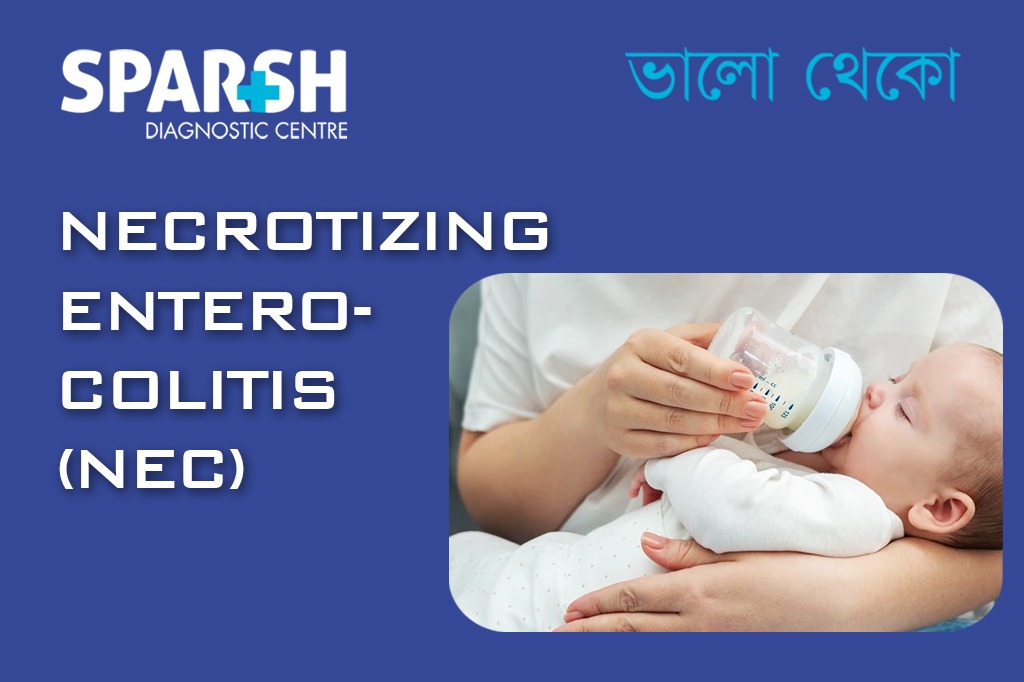
When a newborn arrives, especially a premature baby, parents naturally hope for a smooth and healthy start to life. However, certain medical conditions can pose serious risks during the early days after birth. One of the most concerning conditions affecting newborns—particularly premature infants—is Necrotizing Enterocolitis (NEC).
Necrotizing Enterocolitis is a severe gastrointestinal disease that causes inflammation and damage to the intestines. In the most serious cases, parts of the intestinal tissue can die, which can lead to life-threatening complications such as infection, intestinal perforation, or sepsis.
Although NEC is relatively rare, it remains one of the most serious intestinal emergencies in newborns. Early recognition and timely treatment can make a critical difference in outcomes.
In this article, we’ll explore everything you need to know about Necrotizing Enterocolitis, including its causes, symptoms, risk factors, diagnosis, treatment options, and ways to reduce the risk.
What Is Necrotizing Enterocolitis?
Necrotizing Enterocolitis, often abbreviated as NEC, is a gastrointestinal disease that causes inflammation and damage in a newborn’s intestines. The condition most commonly affects premature babies, although it can also occur in full-term infants under certain circumstances.
In NEC, the lining of the intestinal wall becomes inflamed and may begin to deteriorate. In severe cases, the tissue in the intestine may die (necrosis). This damage can weaken the intestinal wall and potentially create holes, allowing bacteria to leak into the abdominal cavity or bloodstream.
If this happens, it can lead to serious complications such as:
Severe infection
Intestinal perforation
Because of these risks, NEC is considered a medical emergency that requires immediate medical attention.
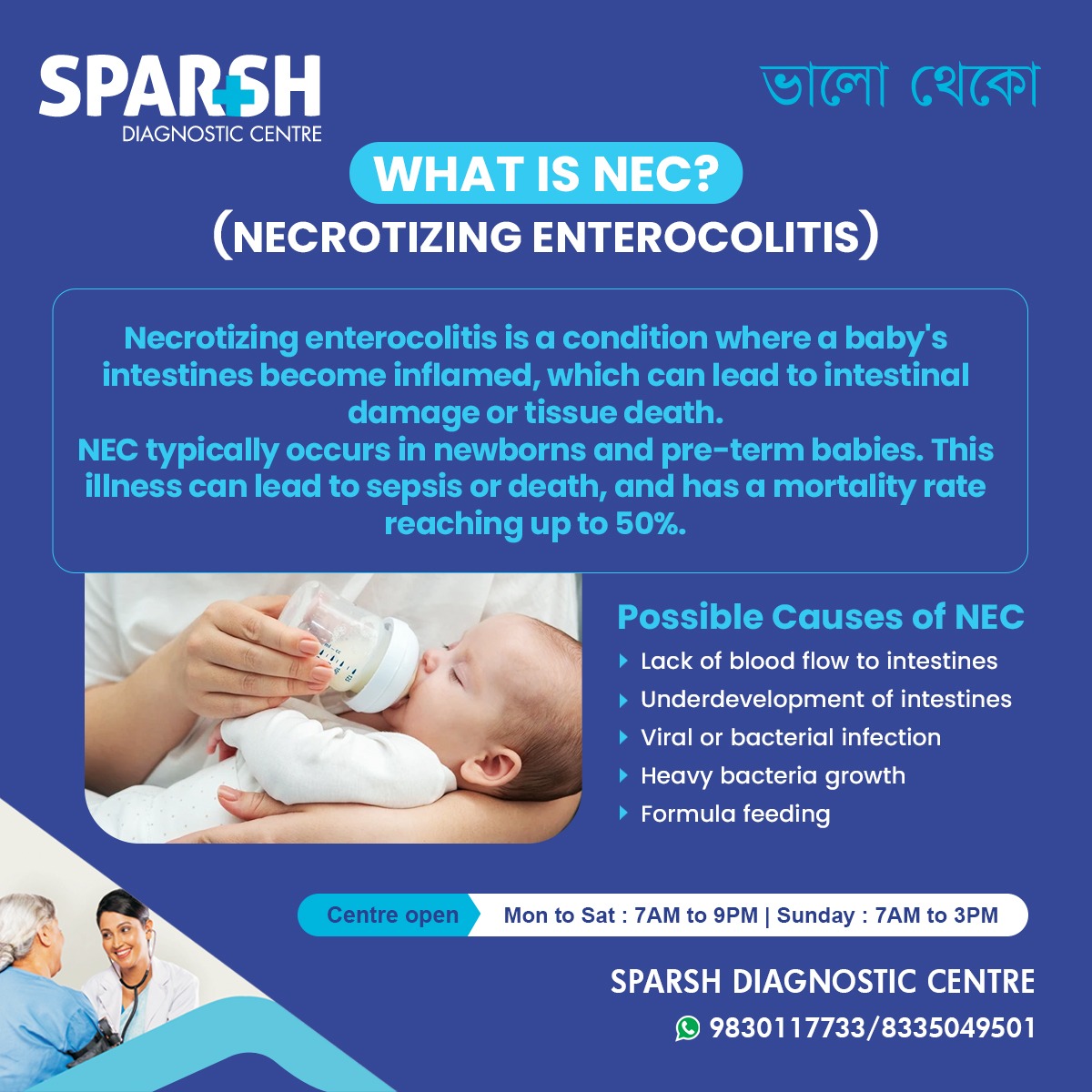
How Common Is NEC?
Necrotizing Enterocolitis is most commonly seen in premature or low-birth-weight infants.
Research suggests:
Around 90% of NEC cases occur in premature babies
It typically develops between the second and third week of life
The risk increases in infants weighing less than 1500 grams (3.3 pounds)
While the condition is uncommon in full-term infants, it may still occur in babies who have:
Birth complications
Reduced oxygen supply during birth
Causes of Necrotizing Enterocolitis
The exact cause of NEC is not completely understood. However, doctors believe the disease develops due to a combination of several factors.
1. Underdeveloped Intestines
Premature infants have immature digestive systems. Their intestines may not yet be strong enough to handle bacteria or food properly. This makes them more vulnerable to inflammation and injury.
2. Reduced Blood Flow to the Intestines
If the blood supply to the intestines is reduced—even temporarily—it can weaken the intestinal tissue. Reduced oxygen and nutrients may damage the intestinal lining, increasing the risk of NEC.
3. Bacterial Overgrowth
The intestines naturally contain bacteria that help with digestion. However, when harmful bacteria multiply excessively, they can cause inflammation and infection in the intestinal wall.
4. Formula Feeding
Some studies suggest that babies fed exclusively with formula may have a higher risk of NEC compared to those who receive breast milk. Breast milk contains protective antibodies and beneficial bacteria that help support the baby’s immune system and gut health.
5. Infection
Certain viral or bacterial infections may also trigger intestinal inflammation that leads to NEC.
Risk Factors for NEC
Although NEC can occur in any newborn, certain factors significantly increase the risk.
Premature Birth
Premature babies have immature organs, including their digestive system, making them more susceptible to intestinal injury.
Low Birth Weight
Infants weighing less than 1500 grams are at a much higher risk.
Oxygen Deprivation During Birth
Babies who experience complications during delivery that reduce oxygen supply may have compromised blood flow to the intestines.
Congenital Heart Disease
Heart conditions can reduce blood circulation, which may affect the intestines.
Formula Feeding
Exclusive formula feeding has been linked with a slightly higher incidence of NEC compared with breastfeeding.
Blood Transfusions
In rare cases, NEC has been observed after blood transfusions in premature infants.
Symptoms of Necrotizing Enterocolitis
Symptoms of NEC usually appear within the first few weeks of life, particularly in premature infants who are in neonatal intensive care units (NICUs).
Early detection is essential because the disease can progress rapidly.
Common symptoms include:
Abdominal Symptoms
Swollen or bloated abdomen
Abdominal tenderness
Visible veins on the abdomen
Discoloration of the abdominal skin
Digestive Symptoms
Feeding intolerance
Vomiting
Green or yellow vomit (bile)
Blood in the stool
General Symptoms
Lethargy
Temperature instability
Apnea (pauses in breathing)
Slow heart rate
If any of these symptoms appear, doctors may immediately investigate for NEC.
Stages of NEC
Doctors often classify NEC into stages based on severity using the Bell staging system.
Stage 1: Suspected NEC
Mild abdominal swelling
Feeding intolerance
Temperature instability
At this stage, the diagnosis may not yet be confirmed.
Stage 2: Confirmed NEC
Blood in stool
Intestinal inflammation visible on imaging
More noticeable abdominal swelling
Medical treatment usually begins immediately.
Stage 3: Advanced NEC
Severe abdominal distension
Intestinal perforation
Sepsis or shock
This stage often requires surgical intervention.
Diagnosis of NEC
Early diagnosis is critical for improving survival and preventing complications.
Doctors may use several diagnostic methods:
Physical Examination
Doctors check the baby’s abdomen for swelling, tenderness, and discoloration.
Abdominal X-Ray
This is one of the most important diagnostic tools. It can reveal:
Gas bubbles inside the intestinal wall
Air in the abdominal cavity
Intestinal perforation
Blood Tests
Blood tests help identify:
Infection
Low platelet count
Stool Tests
Doctors may check for hidden blood in the baby’s stool.
Treatment for Necrotizing Enterocolitis
Treatment depends on how severe the disease is. Many babies recover with medical management if the condition is caught early.
1. Stopping Feedings
The first step usually involves stopping all oral or tube feeding to allow the intestines to rest.
Nutrition is instead provided through intravenous fluids.
2. Antibiotics
Broad-spectrum antibiotics are given to treat or prevent infection caused by bacteria entering the bloodstream.
3. Gastric Decompression
A tube may be inserted into the stomach through the nose to remove gas and fluid, reducing pressure in the abdomen.
4. Supportive Care
Babies may receive:
Oxygen support
IV fluids
Blood transfusions if necessary
Careful monitoring in the NICU
Surgical Treatment for NEC
Surgery becomes necessary when:
The intestine develops a hole (perforation)
Dead intestinal tissue is present
The baby’s condition continues to worsen
During surgery, doctors may:
Remove the damaged section of intestine
Create a temporary stoma (opening in the abdomen)
Reconnect the intestines later once the baby stabilizes
Although surgery can be lifesaving, it also carries risks and may require long-term follow-up.
Complications of NEC
Even after successful treatment, NEC can lead to long-term complications in some infants.
Intestinal Strictures
Scar tissue can narrow sections of the intestine, causing blockage.
Short Bowel Syndrome
If large portions of the intestine are removed during surgery, the baby may have difficulty absorbing nutrients.
Growth Problems
Babies recovering from NEC may need careful nutritional monitoring.
Neurodevelopmental Issues
Some infants, especially those born extremely premature, may experience developmental delays.
Can NEC Be Prevented?
Although NEC cannot always be prevented, several strategies may help reduce the risk.
Breastfeeding
Breast milk contains protective factors that support gut health and reduce inflammation.
Probiotics
Some neonatal units use probiotics to help maintain healthy gut bacteria in premature infants.
Careful Feeding Protocols
Gradual introduction of feeding and close monitoring can help reduce stress on the immature intestine.
Infection Control in NICUs
Strict hygiene practices reduce exposure to harmful bacteria.
When Should Parents Seek Medical Help?
Parents of premature babies should be especially alert for symptoms such as:
Sudden abdominal swelling
Feeding intolerance
Vomiting
Blood in stool
Lethargy
If any of these signs appear, immediate medical evaluation is essential.
Prompt treatment significantly improves survival rates and reduces complications.
Frequently Asked Questions (FAQ)
1. What is Necrotizing Enterocolitis?
Necrotizing Enterocolitis (NEC) is a serious intestinal disease that primarily affects premature infants. It causes inflammation and damage to the intestines, which can lead to tissue death and severe infection.
2. What causes NEC in babies?
The exact cause is unclear, but it is believed to result from a combination of immature intestines, reduced blood flow, bacterial infection, and feeding factors.
3. Which babies are most at risk for NEC?
Premature infants and babies with low birth weight are at the highest risk. Babies with heart problems or oxygen deprivation during birth may also be vulnerable.
4. What are the early signs of NEC?
Early signs include abdominal swelling, feeding intolerance, vomiting, blood in stool, lethargy, and temperature instability.
5. How is NEC diagnosed?
Doctors typically diagnose NEC using abdominal X-rays, blood tests, stool tests, and physical examination.
6. Can babies recover from NEC?
Yes. Many babies recover fully with early medical treatment. However, severe cases may require surgery and long-term medical care.
7. Is breast milk protective against NEC?
Yes. Breast milk contains antibodies and beneficial nutrients that support gut health and reduce the risk of NEC compared to formula feeding.
8. How serious is NEC?
NEC can be life-threatening if not treated quickly. In severe cases, complications like sepsis or intestinal perforation can occur.
Necrotizing Enterocolitis remains one of the most serious gastrointestinal emergencies in newborns, particularly in premature infants. While the condition can be frightening for families, advances in neonatal care have significantly improved survival and treatment outcomes.
Early recognition, proper medical care, and preventive measures such as breastfeeding and careful feeding practices play an essential role in reducing the impact of this condition.
Parents of premature babies should stay informed, maintain close communication with healthcare providers, and seek immediate medical attention if concerning symptoms arise.
With timely intervention and supportive care, many babies diagnosed with NEC can go on to grow and thrive.
To consult a Pediatrician at Sparsh Diagnostic Centre, call our helpline numbers 9830117733/ 8335049501.
#BhaloTheko
Disclaimer:
No content on this site, regardless of date, should ever be used as a substitute for direct medical advice from your doctor or other qualified clinician.