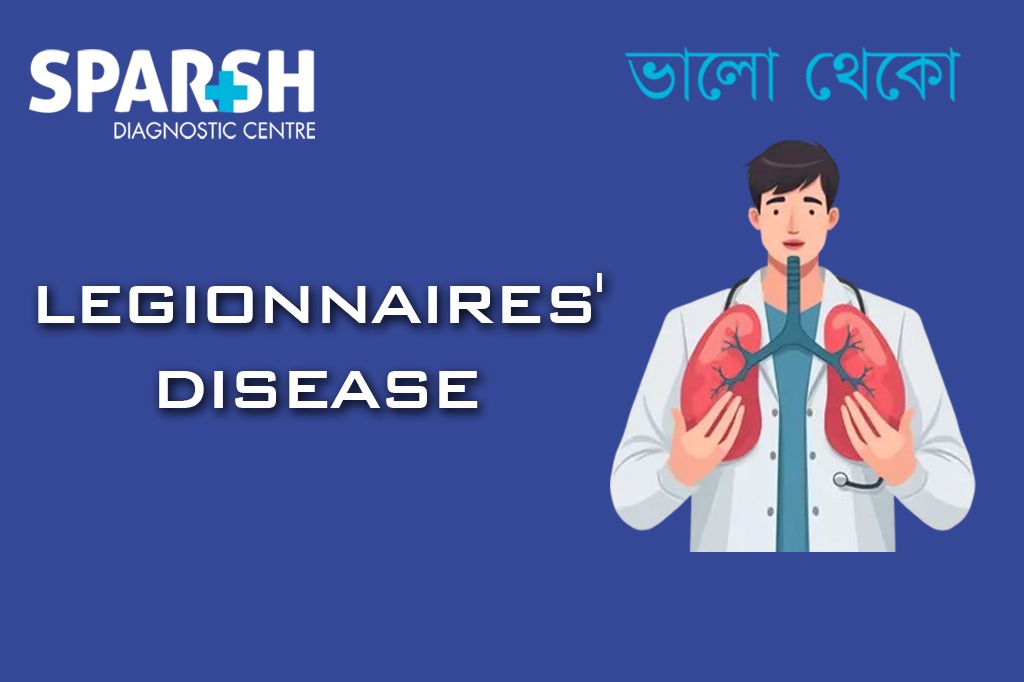
Legionnaires’ disease sounds dramatic — and in many cases, it truly is. This serious lung infection can escalate quickly if not diagnosed and treated in time. While it isn’t as commonly discussed as other respiratory illnesses, it deserves attention because of how suddenly it can appear and how severe it can become.
If you’ve ever wondered what Legionnaires’ disease is, how it spreads, who is most at risk, and whether it can be prevented, this guide will walk you through everything you need to know — in clear, practical language.
What Is Legionnaires’ Disease?
Legionnaires’ disease is a severe form of pneumonia caused by a bacterium called Legionella pneumophila. Pneumonia simply means infection and inflammation of the lungs, but this particular type can be more aggressive than typical community-acquired pneumonia.
The disease was first identified in 1976 after an outbreak at an American Legion convention — which is how it got its name.
Legionnaires’ disease primarily affects the lungs, but in severe cases, it can impact other organs as well.
What Causes Legionnaires’ Disease?
The culprit behind Legionnaires’ disease is the Legionella bacteria, which thrive in warm, stagnant water.
These bacteria are commonly found in:
Hot tubs and spas
Cooling towers (used in air conditioning systems)
Decorative fountains
Large plumbing systems
Water tanks and heaters
Showerheads and faucets
You get infected by breathing in tiny droplets of contaminated water — known as aerosolized water droplets.
Importantly, it does not usually spread from person to person. It is primarily acquired from environmental exposure.
How Does the Infection Develop?
Once inhaled, the bacteria travel into the lungs. Instead of being destroyed by the immune system, Legionella bacteria can multiply inside immune cells called macrophages. This triggers inflammation and lung tissue damage, leading to pneumonia.
The infection can develop quickly. Symptoms typically appear 2 to 10 days after exposure, though sometimes it may take longer.
Symptoms of Legionnaires’ Disease
At first, Legionnaires’ disease can look like a typical flu. That’s part of what makes it tricky.
Early symptoms may include:
As the infection progresses, more serious respiratory symptoms develop:
Persistent cough (sometimes with mucus or blood)
Chest pain
Confusion (especially in older adults)
The presence of gastrointestinal symptoms alongside pneumonia is often a clue that doctors consider when suspecting Legionnaires’ disease.
If left untreated, the illness can rapidly worsen.
Who Is Most at Risk?
Not everyone exposed to Legionella will become ill. Certain groups are more vulnerable:
Adults over 50 years old
Smokers or former smokers
People with chronic lung diseases
Individuals with weakened immune systems
Patients with diabetes, kidney disease, or cancer
Those taking immunosuppressive medications
Healthy young individuals are less likely to develop severe disease, but infection is still possible.
Legionnaires’ Disease vs. Pontiac Fever
You may also hear about Pontiac fever, which is caused by the same bacteria.
The key difference?
Legionnaires’ disease causes pneumonia and can be life-threatening.
Pontiac fever is a milder illness that resembles the flu and does not cause pneumonia.
Pontiac fever usually resolves on its own within a few days without specific treatment.
How Is Legionnaires’ Disease Diagnosed?
Because symptoms overlap with other types of pneumonia, diagnosis requires specific testing.
Doctors may use:
Urine antigen test – A fast and commonly used test
Chest X-ray – To confirm pneumonia
Sputum culture – To detect Legionella bacteria
Blood tests – To check for infection and organ function
Early and accurate diagnosis is critical because Legionnaires’ disease requires targeted antibiotics.
Treatment of Legionnaires’ Disease
Legionnaires’ disease is treated with antibiotics, and early treatment significantly improves outcomes.
Commonly prescribed antibiotics include:
Macrolides (such as azithromycin)
Fluoroquinolones (such as levofloxacin)
Treatment typically lasts 7–14 days, though more severe cases may require longer therapy.
Many patients need hospitalization, especially if they have:
Difficulty breathing
Low blood oxygen levels
Underlying medical conditions
In severe cases, patients may require oxygen therapy or intensive care support.
Possible Complications of Legionnaires’ Disease
When not treated promptly — or in high-risk individuals — Legionnaires’ disease can lead to serious complications.
These include:
1. Respiratory Failure
The lungs may become so inflamed that they cannot supply enough oxygen to the body.
2. Acute Respiratory Distress Syndrome (ARDS)
A life-threatening condition where fluid builds up in the lungs, severely limiting oxygen exchange.
3. Septic Shock
The infection can spread into the bloodstream, causing dangerously low blood pressure and organ failure.
4. Kidney Failure
Reduced oxygen and severe infection can impair kidney function.
5. Heart Complications
Inflammation and strain may lead to heart dysfunction.
6. Neurological Issues
Confusion, delirium, and even stroke-like symptoms can occur.
7. Death
Without treatment, the mortality rate can be significant, especially in vulnerable populations.
Prompt medical care dramatically reduces these risks.
Recovery and Long-Term Effects
Recovery time varies depending on severity.
Some people recover within weeks. Others may experience:
Ongoing fatigue
Shortness of breath
Muscle weakness
Difficulty concentrating
In severe cases, lung damage may take months to heal.
Follow-up care is important, especially for older adults and those with chronic conditions.
Can Legionnaires’ Disease Be Prevented?
Yes — and prevention is largely about water system maintenance.
Because Legionella bacteria grow in warm water, proper control measures are essential in:
Hospitals
Hotels
Office buildings
Apartment complexes
Prevention strategies include:
Regular cleaning and disinfecting of water systems
Maintaining hot water temperatures above 60°C
Preventing water stagnation
Proper maintenance of cooling towers
Regular inspection of plumbing systems
For individuals, risk can be reduced by:
Avoiding poorly maintained hot tubs
Not smoking (smoking increases susceptibility)
Managing chronic health conditions
Is Legionnaires’ Disease Common?
Legionnaires’ disease is relatively uncommon compared to other types of pneumonia, but reported cases have increased over the years. Improved testing and awareness have contributed to better detection.
Outbreaks occasionally occur in large buildings with contaminated water systems.
When Should You See a Doctor?
Seek immediate medical attention if you experience:
High fever with persistent cough
Shortness of breath
Chest pain
Confusion
Worsening flu-like symptoms
Early intervention can be lifesaving.
Frequently Asked Questions (FAQ)
1. Is it contagious?
No, Legionnaires’ disease does not typically spread from person to person. It is usually contracted by inhaling contaminated water droplets.
2. How long does it last?
With proper treatment, symptoms may begin improving within a few days. However, full recovery can take weeks or even months, especially in severe cases.
3. Can healthy people get Legionnaires’ disease?
Yes, but the risk is higher in older adults, smokers, and individuals with weakened immune systems.
4. Is it fatal?
It can be fatal if untreated, particularly in high-risk individuals. Early diagnosis and appropriate antibiotics greatly reduce mortality.
5. What is the difference between Legionnaires’ disease and regular pneumonia?
Legionnaires’ disease is a specific type of bacterial pneumonia caused by Legionella. It often presents with high fever and gastrointestinal symptoms alongside respiratory issues.
6. How is it diagnosed quickly?
The urine antigen test is commonly used for rapid diagnosis, along with chest imaging.
7. Can Legionnaires’ disease come back?
Reinfection is rare but possible if exposed again. Proper environmental control helps prevent recurrence.
8. Do I need hospitalization for Legionnaires’ disease?
Many cases require hospitalization, especially moderate to severe infections. Mild cases may sometimes be managed with outpatient antibiotics.
Legionnaires’ disease is a serious but preventable and treatable lung infection. While it may begin with symptoms that resemble the flu, it can escalate rapidly into severe pneumonia and life-threatening complications.
The good news? With early recognition, appropriate antibiotics, and proper water system maintenance, the risks can be significantly reduced.
If you or someone you know develops persistent high fever, breathing difficulty, or unusual flu-like symptoms — especially after travel or exposure to large building water systems — don’t ignore it. Prompt medical care makes all the difference.
#BhaloTheko
Disclaimer:
No content on this site, regardless of date, should ever be used as a substitute for direct medical advice from your doctor or other qualified clinician.
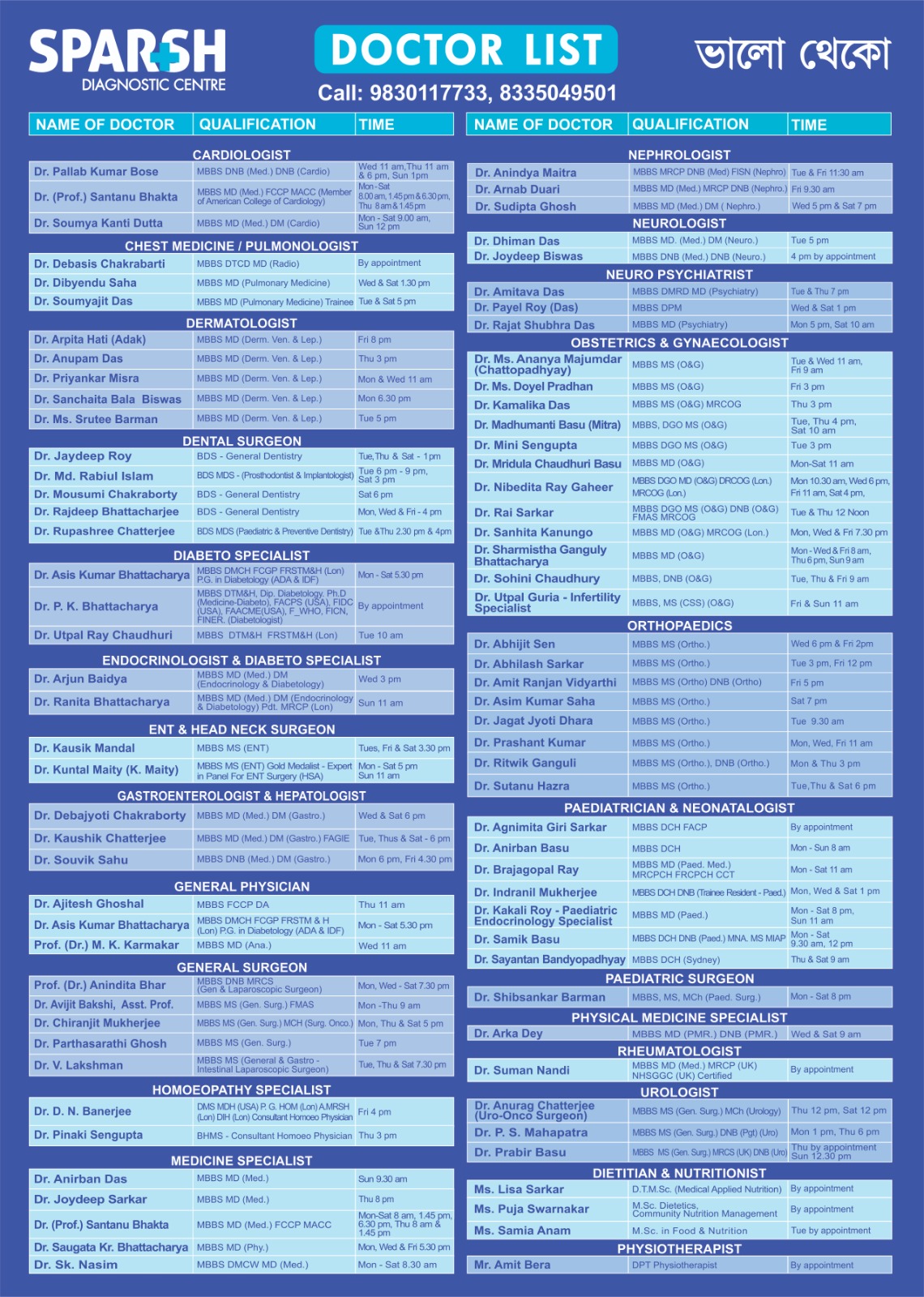
Sparsh Diagnostic Centre Doctor List