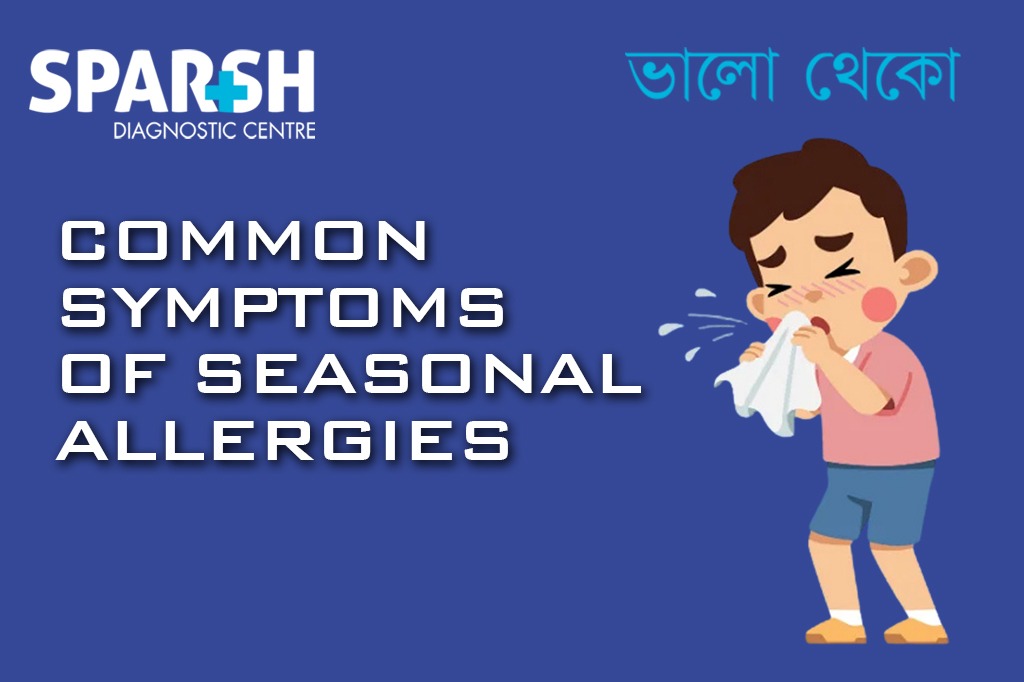
Seasonal allergies, also known as seasonal allergic rhinitis or hay fever, affect millions of people across India every year. With changing seasons, rising pollution levels, and diverse regional climates, allergy symptoms have become increasingly common among both children and adults.
Many people mistake seasonal allergies for a common cold or viral infection, leading to delayed treatment and prolonged discomfort. Understanding the common symptoms of seasonal allergies in India can help you identify the condition early, manage triggers effectively, and improve your quality of life.
This article explains the symptoms, causes, seasonal patterns in India, high-risk groups, and when medical attention is necessary.
What Are Seasonal Allergies?
Seasonal allergies occur when the immune system overreacts to airborne allergens that are more prevalent during certain times of the year. These allergens trigger the release of histamine, leading to inflammation of the nose, eyes, throat, and sometimes the lungs.
In India, seasonal allergies are particularly common due to:
High pollen counts
Dust exposure
Mould growth during monsoons
Rapid weather changes
Why Seasonal Allergies Are Common in India
India’s unique environmental and climatic conditions play a major role in allergy prevalence.
Key Contributing Factors
Diverse vegetation producing pollen throughout the year
Urban pollution and construction dust
Prolonged monsoon season encouraging mould growth
Dry winters with increased airborne dust
Climate change, extending allergy seasons
As a result, seasonal allergies in India may occur multiple times a year rather than being limited to one season.
Common Symptoms of Seasonal Allergies in India
Seasonal allergy symptoms can range from mild to severe and may affect multiple parts of the body.
1. Sneezing
Frequent and repetitive sneezing is one of the earliest and most noticeable symptoms.
Often occurs in bouts
Triggered by pollen, dust, or pollution exposure
More prominent in the morning
Sneezing helps the body expel allergens but can become disruptive when persistent.
2. Runny or Blocked Nose
Nasal symptoms are hallmark signs of seasonal allergies.
Common nasal complaints include:
Clear, watery nasal discharge
Nasal congestion or stuffiness
Difficulty breathing through the nose
Postnasal drip (mucus dripping down the throat)
Unlike colds, allergy-related nasal discharge is usually not thick or yellow.
3. Itchy Nose, Throat, and Ears
Histamine release causes intense itching sensations.
Itching inside the nose
Scratchy or irritated throat
Itching deep inside the ears
This symptom often leads to frequent nose rubbing, commonly seen in children (the “allergic salute”).
4. Watery, Itchy, or Red Eyes (Allergic Conjunctivitis)
Eye symptoms are very common in seasonal allergies.
Typical signs include:
Redness
Excessive tearing
Burning or itching sensation
Puffy eyelids
Sensitivity to light
These symptoms can interfere with reading, screen time, and outdoor activities.
5. Coughing
A persistent dry cough may occur due to:
Postnasal drip irritating the throat
Airway sensitivity to allergens
This cough is often worse at night or early morning and may be mistaken for asthma or bronchitis.
6. Fatigue and Tiredness
Seasonal allergies can make you feel unusually tired even without fever.
Reasons include:
Poor sleep due to nasal blockage
Ongoing immune response
Difficulty breathing comfortably
Many patients describe feeling “drained” or mentally foggy during allergy seasons.
7. Headache or Sinus Pressure
Blocked sinuses can lead to:
Dull headaches
Pressure around the forehead, eyes, or cheeks
Facial pain, especially when bending forward
These symptoms are more common when nasal congestion is severe.
8. Reduced Sense of Smell and Taste
Chronic nasal inflammation can affect sensory perception.
Difficulty smelling food or fragrances
Altered taste sensation
This symptom usually improves once congestion reduces.
9. Wheezing or Shortness of Breath (In Some Individuals)
People with asthma or sensitive airways may experience:
Wheezing
Chest tightness
Breathlessness
Seasonal allergies can trigger or worsen asthma symptoms, a condition known as allergic asthma.
Seasonal Allergy Patterns in India
Seasonal allergies vary depending on the time of year and region.
Spring (February to April)
Tree pollen
Flowering plants
Increased outdoor exposure
Summer (May to June)
Grass pollen
Dust storms in northern India
High pollution levels
Monsoon (July to September)
Mould spores
Damp indoor environments
Dust mite growth
Winter (October to January)
Dry air
Dust and pollution
Crop residue burning in some regions
Unlike Western countries, India often experiences multiple allergy peaks throughout the year.
Seasonal Allergies vs Common Cold: Key Differences
| Feature | Seasonal Allergies | Common Cold |
|---|---|---|
| Fever | Rare | Common |
| Nasal discharge | Clear, watery | Thick, yellow/green |
| Itching | Common | Rare |
| Duration | Weeks to months | 7–10 days |
| Contagious | No | Yes |
Recognising these differences helps avoid unnecessary antibiotic use.
Who Is More at Risk?
Seasonal allergies can affect anyone, but certain groups are more vulnerable:
Children and teenagers
People with asthma or eczema
Individuals with a family history of allergies
Urban residents exposed to pollution
Outdoor workers
Early identification and preventive care can significantly reduce symptom severity.
When Should You See a Doctor?
You should consult a doctor if:
Symptoms last longer than two weeks
Daily activities or sleep are affected
Over-the-counter medicines don’t help
You experience wheezing or breathing difficulty
Symptoms worsen every season
An allergist or ENT specialist may recommend allergy testing or long-term management strategies.
How Are Seasonal Allergies Diagnosed?
Diagnosis is usually based on:
Detailed medical history
Symptom pattern
Physical examination
In some cases:
Skin prick tests
Blood tests (IgE levels)
These help identify specific allergens and guide treatment.
Managing Seasonal Allergy Symptoms
While allergies cannot always be cured, symptoms can be effectively controlled.
Common Management Approaches
Avoid known triggers
Use air purifiers indoors
Shower after outdoor exposure
Keep windows closed during high pollen days
Follow prescribed medications
Early treatment often prevents symptom escalation.
Can Seasonal Allergies Be Prevented?
Complete prevention is difficult, but symptom severity can be reduced by:
Monitoring pollen and pollution levels
Wearing masks outdoors
Keeping indoor spaces clean and dry
Starting preventive treatment before peak seasons
Long-term management improves overall quality of life.
FAQ: Common Questions About Seasonal Allergies in India
1. What are the most common symptoms of seasonal allergies in India?
Sneezing, runny or blocked nose, itchy eyes, throat irritation, watery eyes, fatigue, and nasal congestion are the most common symptoms.
2. Can seasonal allergies cause fever?
No, seasonal allergies typically do not cause fever. Fever usually indicates an infection.
3. How long do seasonal allergy symptoms last?
Symptoms can last several weeks or even months, depending on allergen exposure and environmental conditions.
4. Are seasonal allergies common in children?
Yes, children frequently experience seasonal allergies, often presenting with sneezing, itchy nose, watery eyes, and frequent nose rubbing.
5. Can seasonal allergies trigger asthma?
Yes, seasonal allergens can worsen asthma symptoms and may cause wheezing or breathlessness in susceptible individuals.
6. Do seasonal allergies occur only during spring?
No, in India, seasonal allergies can occur throughout the year due to multiple allergen peaks.
7. When should I see a doctor for seasonal allergies?
If symptoms persist, worsen, affect sleep or breathing, or do not respond to basic treatment, medical evaluation is recommended.
Seasonal allergies are extremely common in India and can significantly affect daily life if left unmanaged. Recognising the common symptoms of seasonal allergies, understanding seasonal patterns, and seeking timely care can help prevent complications and improve comfort.
If you or your child experience recurring sneezing, nasal congestion, itchy eyes, or unexplained fatigue during certain times of the year, seasonal allergies may be the cause. Early diagnosis and proper management can make each season easier to breathe through.
#BhaloTheko
Disclaimer:
No content on this site, regardless of date, should ever be used as a substitute for direct medical advice from your doctor or other qualified clinician.
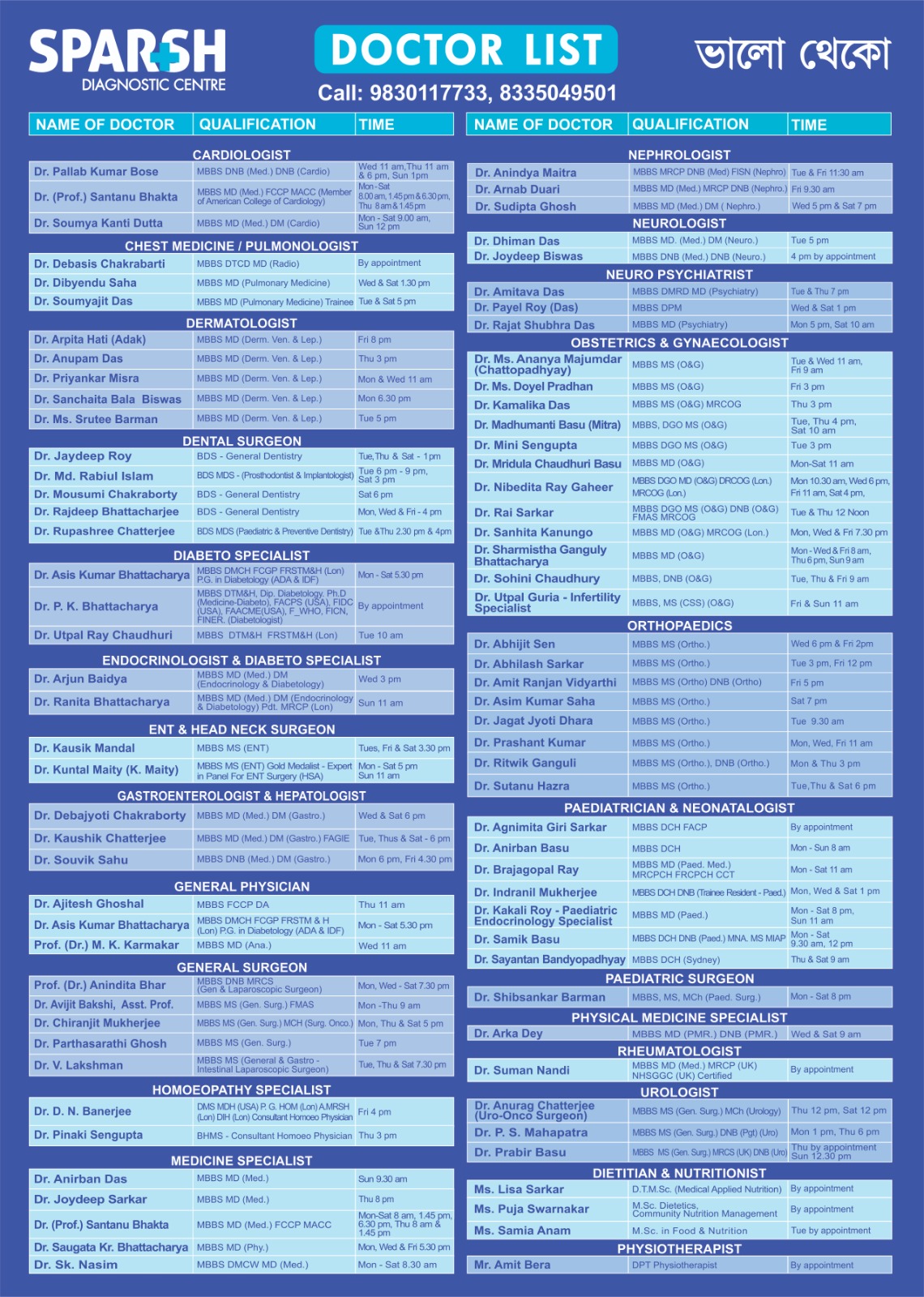
Sparsh Diagnostic Centre Doctor List