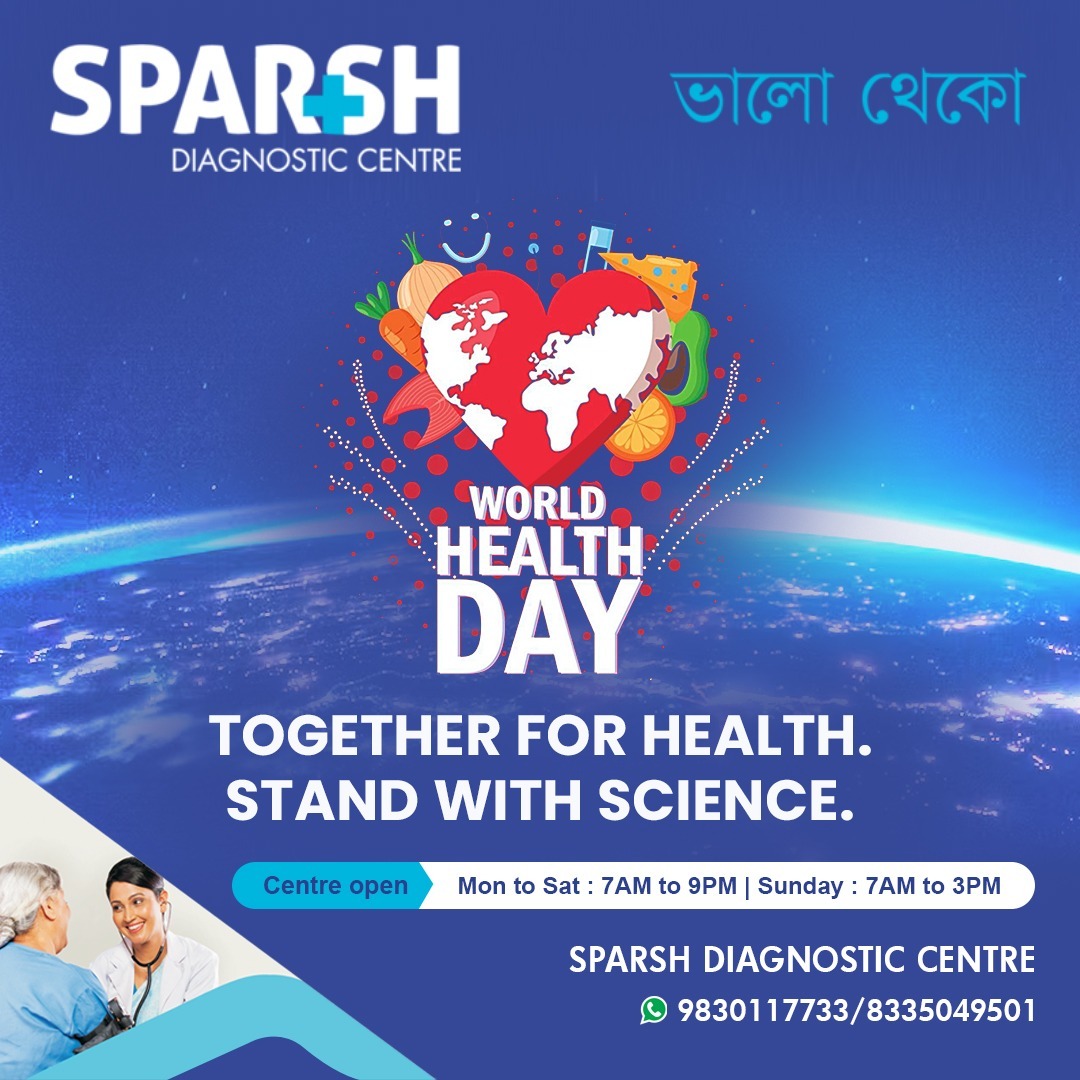
Every year on 7 April, the world observes World Health Day, a global health awareness event led by World Health Organization to draw attention to major health priorities affecting people everywhere. The date is significant because it marks the anniversary of the founding of the WHO in 1948, a moment that shaped international cooperation in public health for generations to come.
In 2026, the official theme is “Together for health. Stand with science.” This message comes at a time when the world has learned that health challenges do not stop at borders. Infectious diseases, chronic illnesses, climate-related health threats, food safety concerns, and mental health pressures all demand evidence-based decisions and shared responsibility. The 2026 campaign is not simply a one-day message—it launches a year-long global effort focused on strengthening trust in science and promoting cooperation between governments, scientists, healthcare professionals, and the public.
Why does World Health Day Still Matter Today
World Health Day remains important because health is no longer viewed only as treatment inside hospitals. It now includes prevention, awareness, nutrition, mental well-being, environmental safety, vaccination, early diagnosis, and access to reliable medical guidance.
Across many countries, people still face unequal healthcare access. Some communities struggle with delayed diagnosis, lack of preventive screening, misinformation, or limited medical resources. A day like World Health Day helps bring these issues into public conversation and reminds everyone that health is a shared responsibility.
The 2026 theme especially emphasizes one key truth: scientific progress saves lives only when people trust it, understand it, and act on it.
Whether it is vaccination, diabetes screening, cancer detection, infection prevention, or maternal care, science gives us tools—but society must choose to use them.
Understanding the 2026 Theme: “Together for Health. Stand with Science.”
This year’s theme has two powerful parts:
Together for Health
The phrase “Together for health” highlights collaboration. Good health outcomes are rarely created by one person or one institution alone. Doctors, diagnostic centres, public health systems, researchers, families, schools, and communities all contribute.
A patient recovering from illness often depends on:
- accurate diagnosis
- timely treatment
- supportive family care
- access to medicines
- preventive follow-up
That is why healthcare works best when systems connect.
Stand with Science
“Stand with science” encourages people to rely on evidence rather than myths.
In recent years, misinformation has spread rapidly online. False claims about medicines, vaccines, nutrition, and treatment can create fear and delay proper care.
Standing with science means:
- trusting qualified medical advice
- following proven preventive measures
- choosing verified diagnostic testing
- understanding that health recommendations evolve with research
WHO states that the 2026 campaign encourages people everywhere to engage with facts, rebuild trust in science, and support science-led solutions for a healthier future.
The One Health Approach in 2026
A major focus of World Health Day 2026 is the One Health approach.
This concept recognizes that human health is deeply connected with:
- animal health
- food systems
- water quality
- ecosystems
- climate stability
For example:
A disease that begins in animals can affect humans. Unsafe water can spread infection. Environmental pollution can increase respiratory illness.
The One Health model encourages experts from different fields to work together instead of treating health problems separately.
WHO’s 2026 campaign specifically highlights this scientific collaboration as essential for protecting people, animals, plants, and the planet.
History of World Health Day
World Health Day began in 1950, two years after WHO was established.
Since then, each year has focused on a major health issue.
Some recent themes include:
- 2024: My Health, My Right
- 2025: Healthy Beginnings, Hopeful Futures
- 2026: Together for health. Stand with science.
Over the decades, topics have included:
- mental health
- food safety
- depression
- universal health coverage
- climate and health
Each theme reflects what the world urgently needs to discuss at that moment.
Why is Science Central to Better Health
Scientific progress affects everyday health more than many people realize.
A simple blood test, ultrasound, ECG, biopsy, or imaging scan is possible because of decades of scientific development.
Science supports:
- early disease detection
- safer surgeries
- accurate diagnosis
- vaccine development
- infection control
- chronic disease management
Without science, many illnesses would still be detected too late.
This is why diagnostic medicine plays such an important role in public health.
When people test early, treatment outcomes often improve significantly.
The Role of Preventive Healthcare
One of the strongest messages of World Health Day is prevention.
Many serious illnesses develop silently.
These include:
- diabetes
- hypertension
- kidney disease
- liver disorders
- thyroid imbalance
- early cancers
Routine health screening can detect changes before symptoms become severe.
Preventive healthcare usually includes:
- blood pressure monitoring
- blood sugar testing
- cholesterol checks
- liver function tests
- kidney profile
- cancer screening where appropriate
Science helps identify risks early enough for intervention.
How Communities Can Participate in World Health Day
World Health Day is not only for governments or hospitals.
Individuals and local communities can actively participate.
Simple ideas include:
- organizing health awareness sessions
- encouraging preventive check-ups
- sharing verified health information
- promoting vaccination awareness
- supporting blood donation drives
- discussing mental health openly
Even one informed conversation in a family can improve long-term health decisions.
WHO also encourages public participation through global awareness campaigns using #StandWithScience and #WorldHealthDay.
Why Trust in Health Information Matters
Today, health information is everywhere—but not all of it is reliable.
People often delay treatment because of:
- internet myths
- self-medication
- fear of tests
- unverified advice
Scientific health guidance matters because symptoms that look simple may hide serious disease.
For example:
Persistent fatigue may seem minor but could indicate anemia, thyroid imbalance, diabetes, or infection.
Only proper evaluation can confirm the cause.
Mental Health Is Also Part of World Health
Health is not only physical.
Mental well-being affects:
- sleep
- immunity
- blood pressure
- appetite
- productivity
Stress, anxiety, and burnout have become common worldwide.
Standing with science also means accepting that mental health requires evidence-based support, not stigma.
Simple mental health practices include:
- regular sleep
- physical movement
- reduced screen overload
- professional counseling when needed
Everyday Habits That Reflect “Together for Health”
This theme becomes meaningful when translated into daily life.
Healthy habits include:
- balanced meals
- regular hydration
- annual check-ups
- vaccination updates
- limiting tobacco exposure
- walking daily
- maintaining sleep routines
Science repeatedly confirms that consistent small habits protect long-term health more effectively than occasional drastic changes.
Global Scientific Cooperation in 2026
WHO notes that two major global scientific gatherings anchor the 2026 campaign:
- International One Health Summit
- Global Forum of WHO Collaborating Centres
These events bring together hundreds of institutions across more than 80 countries to strengthen science-based health partnerships.
This shows that science is strongest when countries collaborate rather than work alone.
World Health Day and the Future
The future of healthcare depends on trust, access, and scientific progress.
New technologies such as:
- AI-supported diagnosis
- molecular testing
- telemedicine
- genomic medicine
are changing healthcare rapidly.
But none of these tools work well unless people remain informed and willing to engage with healthcare early.
That is why the 2026 message feels especially timely.
Health systems need public trust.
Science needs public participation.
And communities need reliable healthcare access.
FAQ on World Health Day 2026
What is World Health Day?
World Health Day is an annual global health awareness day observed every year on 7 April to mark the founding of WHO and highlight important health priorities.
What is the theme of World Health Day 2026?
The official WHO theme for 2026 is “Together for health. Stand with science.”
Why is World Health Day celebrated on 7 April?
The date marks the establishment of WHO in 1948.
What does “Stand with science” mean?
It encourages people to trust evidence-based medical guidance, scientific research, and verified public health information.
What is the One Health approach?
One Health connects human health, animal health, and environmental health into one coordinated system.
How can individuals observe World Health Day?
People can participate by getting preventive check-ups, sharing verified health information, joining awareness campaigns, and supporting healthy habits.
Why are diagnostic tests important for preventive health?
They help detect silent diseases early, often before symptoms become serious.
Is World Health Day relevant only to hospitals?
No. It involves schools, workplaces, families, policymakers, and communities.
#BhaloTheko
Disclaimer:
No content on this site, regardless of date, should ever be used as a substitute for direct medical advice from your doctor or other qualified clinician.