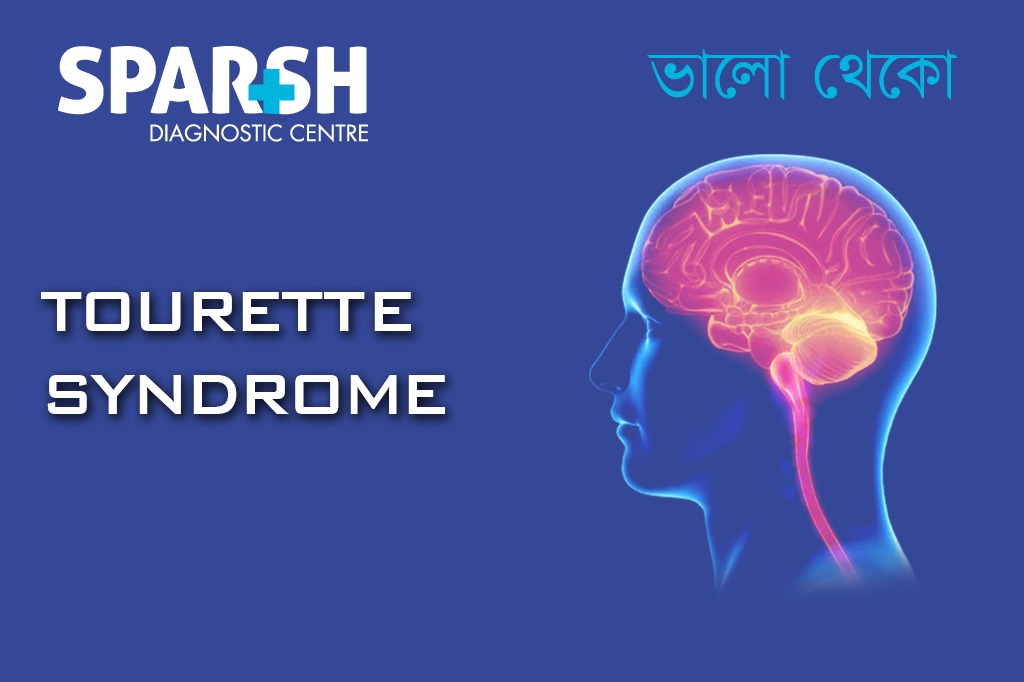
Tourette Syndrome (TS) is a neurological disorder that typically begins in childhood and is characterized by repetitive, involuntary movements and vocal sounds called tics. While tics can be mild and barely noticeable for some individuals, others may experience severe symptoms that affect daily activities, education, and social life.
Contrary to popular belief, Tourette Syndrome is not just about uncontrollable swearing (a symptom called coprolalia that only a small percentage of patients have). It is a complex disorder that varies greatly from person to person. Early diagnosis and management can help individuals with TS live fulfilling and productive lives.
This article explores the symptoms, causes, risk factors, diagnosis, treatment, and coping strategies for Tourette Syndrome, along with answers to common FAQs.
What is Tourette Syndrome?
Tourette Syndrome is the most severe form of tic disorder, a group of conditions that involve sudden, repetitive, and uncontrollable movements or vocal sounds. Tics usually appear between the ages of 5 and 10 years, and their intensity often peaks during adolescence before improving in adulthood.
It is named after Dr. Georges Gilles de la Tourette, a French neurologist who first described the condition in 1885.
Symptoms of Tourette Syndrome
The hallmark of Tourette Syndrome is the presence of both motor tics and vocal tics that persist for more than a year.
1. Motor Tics (Movements)
These are involuntary physical movements. Examples include:
Eye blinking
Head jerking or twisting
Bending at the waist
Shoulder shrugging
Facial grimacing
Arm or leg movements
2. Vocal Tics (Sounds)
These involve involuntary sounds produced by moving air through the nose, mouth, or throat. Examples include:
Grunting
Repetitive throat clearing
Barking or animal-like sounds
Sniffing or humming
Repeating words or phrases
In rare cases: coprolalia (using inappropriate or obscene language)
3. Other Characteristics
They may lessen when the person is focused or calm.
Some individuals experience a premonitory urge—a sensation that builds up before a tic, relieved once the tic occurs.

Causes of Tourette Syndrome
The exact cause of Tourette Syndrome is not fully understood, but research suggests a combination of genetic, neurological, and environmental factors.
TS often runs in families. If a parent has Tourette Syndrome or another tic disorder, their child has a higher risk.
Brain Structure and Chemistry
Abnormalities in areas of the brain such as the basal ganglia, frontal lobes, and cortex may play a role.
Neurotransmitter imbalances (dopamine, serotonin, norepinephrine) are also implicated.
Environmental Factors
Prenatal complications, low birth weight, or exposure to toxins may increase risk.
Stress and infections can exacerbate symptoms.
Risk Factors
Family history of tic disorders
Male gender – boys are 3 to 4 times more likely to develop TS than girls
Early onset of symptoms (before age 10)
Diagnosis of Tourette Syndrome
There is no specific test for TS. Diagnosis is based on clinical evaluation by a neurologist or psychiatrist.
Diagnostic Criteria (DSM-5)
Presence of two or more motor tics and at least one vocal tic
Tics have persisted for more than 1 year
Onset before the age of 18 years
Symptoms are not caused by medication, drugs, or another medical condition
Tests May Include
Medical history and neurological exam
Psychological evaluation to assess associated conditions (ADHD, OCD, anxiety)
Imaging tests (rarely needed, but sometimes used to rule out other conditions)
Treatment for Tourette Syndrome
There is no cure for Tourette Syndrome, but treatments can help manage symptoms and improve quality of life.
1. Medications
Dopamine blockers (haloperidol, risperidone) – reduce tics but may cause side effects
Alpha-adrenergic agonists (clonidine, guanfacine) – helpful for both tics and ADHD symptoms
Botulinum toxin injections – reduce specific motor or vocal tics
Stimulants and antidepressants – used if TS is accompanied by ADHD or OCD
2. Behavioral Therapy
CBIT (Comprehensive Behavioral Intervention for Tics) – teaches individuals to recognize urges and replace them with less noticeable actions
Habit reversal training – helps manage and control tics
3. Deep Brain Stimulation (DBS)
For severe cases unresponsive to other treatments, DBS may be used to regulate abnormal brain activity.
4. Lifestyle Management
Stress management techniques (yoga, meditation, breathing exercises)
Regular physical activity
Supportive school and work environment
Living with Tourette Syndrome
School Support
Teachers should be informed about the condition.
Extra time in exams, breaks during classes, and supportive peers can help.
Workplace Adaptation
Adults with TS may need flexible schedules or a supportive manager.
Social and Emotional Support
Family counseling, peer support groups, and therapy can reduce stigma and anxiety.
Myths and Facts About Tourette Syndrome
Myth: Everyone with TS shouts obscenities.
Fact: Only about 10–15% of people experience coprolalia.
Myth: Tourette is rare.
Fact: TS affects about 1 in 160 children worldwide.
Myth: Tics can be controlled by willpower.
Fact: People may suppress tics temporarily, but it usually leads to discomfort and stronger urges later.
Complications and Associated Conditions
Tourette Syndrome often coexists with other conditions, such as:
Anxiety and depression
Learning difficulties
Sleep disturbances
Early recognition and treatment of these conditions improve overall well-being.
Prevention
Since Tourette Syndrome is largely genetic, it cannot be prevented. However, early diagnosis, therapy, and lifestyle modifications can help reduce the severity of symptoms and improve quality of life.
FAQ Section
1. What age does Tourette Syndrome usually start?
TS usually begins in childhood, typically between ages 5 and 10 years.
2. Can Tourette Syndrome go away?
In many individuals, tics reduce significantly or disappear in adulthood. However, some may continue to experience symptoms lifelong.
3. Is Tourette Syndrome a mental illness?
No, TS is a neurological disorder, not a mental illness. However, it can be associated with psychiatric conditions like OCD or anxiety.
4. Can stress make Tourette Syndrome worse?
Yes. Stress, fatigue, and excitement often make tics more frequent and intense.
5. Can children with TS go to regular schools?
Absolutely. With proper support from teachers and classmates, children with TS can perform well in academics and social activities.
6. What is the life expectancy of someone with TS?
Tourette Syndrome does not affect life expectancy. With treatment and support, individuals can live a normal lifespan.
7. Can diet help with Tourette Syndrome?
There is no specific diet to cure TS, but a balanced diet rich in omega-3 fatty acids, vitamins, and minerals may support brain health.
8. Does every person with TS develop coprolalia (swearing tics)?
No. Only a small minority (about 10–15%) experience this symptom.
Tourette Syndrome is a complex but manageable neurological condition. Although it can affect physical, emotional, and social well-being, early diagnosis and appropriate treatment can significantly improve outcomes. Raising awareness helps reduce stigma and ensures that individuals with TS receive the understanding and support they need in schools, workplaces, and communities.
At Sparsh Diagnostic Centre, we provide advanced diagnostic services and compassionate care to help individuals manage neurological conditions like Tourette Syndrome.
#BhaloTheko
Disclaimer:
No content on this site, regardless of date, should ever be used as a substitute for direct medical advice from your doctor or other qualified clinician.