


Winter brings cooler weather, festive moods, and cozy mornings — but it also brings a silent danger: air pollution. During the winter months, pollution levels rise sharply due to several factors, including temperature inversion, increased vehicle emissions, industrial smoke, and reduced wind speed. These elements trap pollutants close to the ground, making the air you breathe significantly more harmful.
Polluted winter air is particularly damaging to the lungs, increasing the risk of asthma attacks, bronchitis, chronic obstructive pulmonary disease (COPD) exacerbations, allergic reactions, and other respiratory illnesses. Children, the elderly, smokers, and individuals with existing lung diseases are at even greater risk.
The good news? You can take effective, science-backed steps to protect your lungs during the winter pollution season. This guide will walk you through practical strategies, daily habits, and prevention tips to help you breathe healthier air and keep your lungs in top shape.
Why does Air Pollution worsen during winter
Understanding why pollution increases in winter helps you choose better preventive strategies. Here are the primary reasons:
1. Temperature Inversion
Normally, warm air rises and disperses pollutants. But in winter, a layer of cold air gets trapped near the ground by a layer of warm air above it. This phenomenon, known as temperature inversion, locks pollutants close to breathing level.
2. Increased Use of Fireplaces and Heaters
Burning fuel for warmth in industries, homes, and commercial spaces adds more particulate matter (PM2.5 and PM10) to the air.
3. Low Wind Speed
Slower air movement means pollutants do not disperse effectively, causing smog to accumulate.
4. Vehicle Emissions
More vehicles on the road during winter mornings and evenings lead to a rapid spike in nitrogen oxides (NOx), sulfur dioxide (SO₂), and carbon monoxide (CO).
5. Crop Burning in Certain Regions
In many parts of India and other countries, stubble burning contributes heavily to winter smog.
How does Winter Air Pollution affect your lungs
The lungs are the primary organs affected by bad air quality. Pollutants can cause:
Airway inflammation
Reduced lung capacity
Increased mucus production
Aggravation of asthma and allergies
Higher risk of respiratory infections
Long-term lung damage with prolonged exposure
People with pre-existing lung conditions like asthma, COPD, and bronchitis may experience worsening symptoms, while even healthy individuals may notice coughing, wheezing, breathlessness, and fatigue.
Essential tips to protect your lungs from winter air pollution
1. Check Air Quality Index (AQI) Daily
Before stepping out, monitor AQI levels using:
Government air quality apps
Weather apps
AQI indicator websites
AQI below 100 is considered acceptable.
Avoid outdoor activities when AQI exceeds 200.
2. Use a High-Quality Mask
Wear a N95 or N99 mask when you go outside, especially during peak pollution hours (early morning and late evening). These masks filter out harmful particulate matter effectively.
3. Avoid Outdoor Workouts
Running or jogging outside when pollution levels are high forces you to inhale more polluted air. Instead:
Exercise indoors
Do yoga, stretching, or aerobics
Use home workout equipment
If you must exercise outdoors, choose afternoons when AQI is usually better.
4. Improve Indoor Air Quality
Many people assume staying indoors protects them. However, indoor air can be equally polluted. Improve it by:
Keeping windows open during low-pollution hours to allow ventilation
Using air purifiers with HEPA filters
Regularly cleaning furniture, carpets, and curtains
Avoiding incense sticks, candles, or smoking indoors
You can even place natural air purifying plants like:
Areca palm
Money plant
Spider plant
5. Stay Hydrated
Drinking plenty of water helps thin mucus secretions, allowing pollutants trapped in your respiratory tract to be expelled easily.
Include:
Warm water
Herbal teas
Soups
6. Strengthen Your Immune and Respiratory System
A strong immune system helps fight respiratory infections more effectively. Eat immunity-boosting foods such as:
Citrus fruits
Ginger
Garlic
Turmeric
Almonds
Spinach
Green leafy vegetables
Breathing exercises like pranayama also strengthen lung capacity.
7. Install Exhaust and Ventilation Systems
Ensure your kitchen and bathroom have proper ventilation to prevent indoor pollution. Use exhaust fans to remove harmful vapours and smoke.
8. Avoid Smoking and Secondhand Smoke
Smoking significantly increases your risk of respiratory diseases. Winter air pollution worsens the harmful effects. Avoid smoking and limit exposure to secondhand smoke.
9. Use Steam Inhalation
Steam inhalation helps open the airways, clear mucus, and soothe irritated lungs. Do this regularly if you experience breathing difficulties.
10. Reduce Exposure During Peak Traffic Hours
If possible:
Avoid stepping out during peak pollution times
Choose routes with less traffic
Carpool or use public transportation
11. Keep Your Home Clean
Dust and allergens accumulate faster in winter. Clean your home regularly to keep pollutants at bay. Vacuum carpets, mop floors, and wash bedding frequently.
12. Create a Smoke-Free and Chemical-Free Environment
Avoid:
Room fresheners
Aerosol sprays
Harsh cleaning chemicals
Mosquito coils
Use natural alternatives whenever possible.
13. Wear Warm Clothing
Cold air can irritate the respiratory tract. Wear scarves or mufflers to cover your nose and mouth when outdoors. This helps warm the air before it enters your lungs.
14. Consult a Doctor if You Have Pre-Existing Lung Conditions
People with asthma, COPD, or chronic bronchitis should:
Keep their medications handy
Follow regular checkups
Use inhalers as prescribed
Seek medical attention if symptoms worsen.
Daily Lung-Cleansing Routine (Recommended)
To give your lungs extra protection during winter smog, follow this simple routine:
Morning: Drink warm water with lemon
Midday: Do 15 minutes of breathing exercises
Evening: Have herbal tea (ginger, tulsi, or turmeric)
Night: Steam inhalation for 5–10 minutes
This routine helps detoxify your lungs, improve circulation, and reduce inflammation.
Home Remedies to Support Lung Health
1. Honey + Ginger
A great combination for reducing inflammation and soothing the respiratory tract.
2. Clove Tea
Cloves help clear mucus and support better breathing.
3. Turmeric Milk
Turmeric’s curcumin helps reduce lung inflammation.
4. Warm Water Gargles
Helps reduce throat irritation caused by pollutants.
Who Is Most At Risk During Winter Pollution?
Winter pollution affects everyone, but some groups are more vulnerable:
Children under 12
Elderly individuals
Pregnant women
Asthma or COPD patients
People with heart disorders
Smokers
Outdoor workers (traffic police, construction workers, vendors)
These individuals should take extra precautions.
Long-Term Strategies to Protect Lung Health
1. Plant More Trees
Trees improve air quality. Participate in community planting drives.
2. Support Clean Energy Use
Replace coal or wood-burning methods with cleaner alternatives.
3. Advocate for Cleaner Air Policies
Encourage pollution-related awareness in your community.
4. Reduce Personal Emissions
Use bicycles, electric vehicles, or public transport when possible.
Frequently Asked Questions (FAQ)
1. Why is winter air pollution more harmful than summer pollution?
Because temperature inversion traps pollutants closer to the ground, making them easier to inhale and more damaging to the lungs.
2. Should I wear a mask indoors?
If indoor air quality is poor or you’re exposed to smoke, dust, or chemicals, wearing a mask can help.
3. Are air purifiers effective for winter pollution?
Yes. Air purifiers with HEPA filters significantly reduce indoor pollutants like dust, smoke, and allergens.
4. Can children go outside during high AQI days?
Avoid letting children play outdoors when AQI is above 150, as their lungs are still developing.
5. What signs indicate that winter pollution is affecting my lungs?
Look for symptoms like:
Persistent dry cough
Chest tightness
Frequent throat irritation
6. How does steam inhalation help?
Steam moisturises airways, reduces irritation, and helps clear mucus and pollutants trapped in the lungs.
7. When should I consult a doctor?
If you experience breathlessness, severe cough, chest pain, or persistent wheezing during the pollution season.
Winter air pollution is unavoidable, but its impact on your lungs can be significantly reduced with the right precautions. By monitoring AQI, improving indoor air quality, wearing masks, staying hydrated, and strengthening your immune system, you can protect your lungs and reduce the risk of respiratory illnesses.
Consistency is key — small daily habits can collectively make a big difference in your long-term lung health.
If you have chronic respiratory conditions or experience worsening symptoms during winter, consult a healthcare professional for timely guidance.
#BhaloTheko
Disclaimer:
No content on this site, regardless of date, should ever be used as a substitute for direct medical advice from your doctor or other qualified clinician.
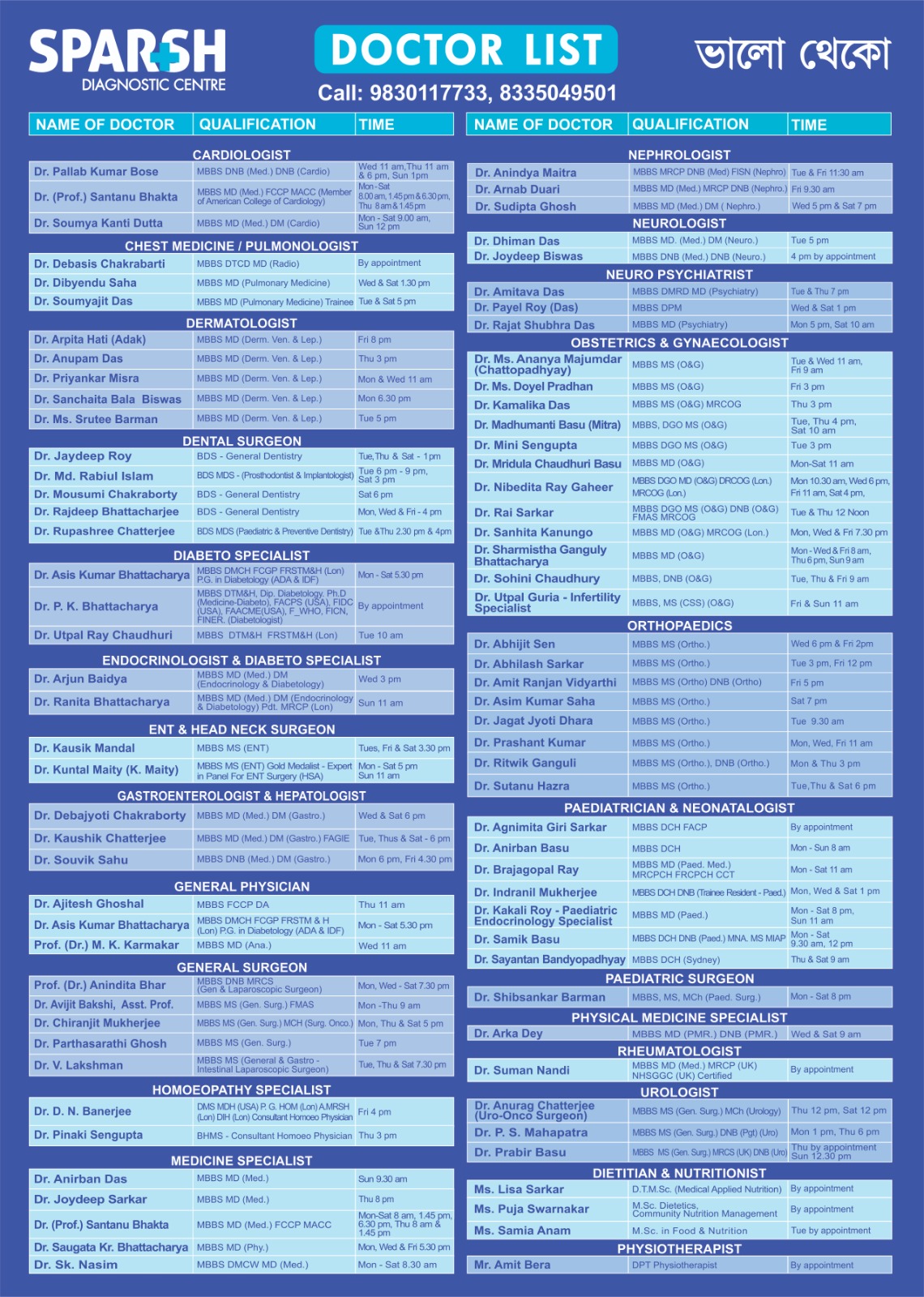
Sparsh Doctor List


