

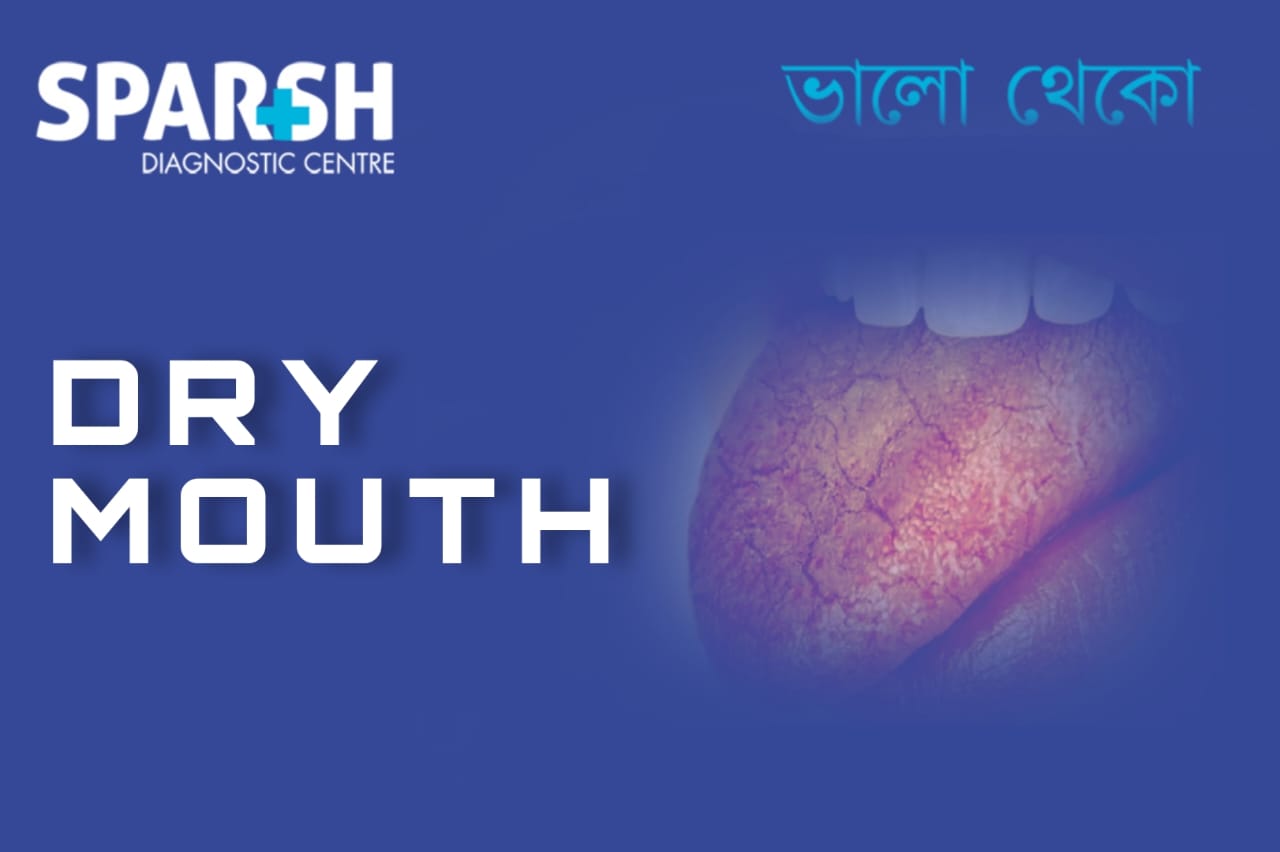
Dry mouth, also known as xerostomia, is a common condition that many people experience at some point in their lives. It occurs when the salivary glands in the mouth do not produce enough saliva to keep the mouth moist. While it may seem like a minor inconvenience, chronic dry mouth can significantly affect quality of life, leading to issues with eating, speaking, and even dental health. This blog will explore the causes, symptoms, and potential remedies for dry mouth, offering insights to help you manage or prevent this condition effectively.
What Is Dry Mouth?
It is a condition characterized by a persistent feeling of dryness in the mouth, often accompanied by a sticky sensation. Saliva plays a crucial role in oral health, as it helps in chewing, swallowing, digestion, and protecting the teeth against decay by neutralizing acids produced by bacteria in the mouth. It also aids in taste perception and the overall health of the soft tissues in the mouth.
When saliva production is insufficient, these functions are compromised, leading to a range of issues. A dry mouth can occur as a temporary problem or become a chronic condition, depending on its underlying cause.
Causes:
Dry mouth can result from various factors, ranging from lifestyle choices to underlying medical conditions. Understanding the cause is key to finding effective treatment. Some of the primary causes include:
1. Dehydration
- One of the most common causes of dry mouth is simple dehydration. When the body lacks sufficient fluids, it conserves water, leading to reduced saliva production. This can happen due to insufficient water intake, excessive sweating, fever, or diarrhea.
- Increasing water intake and ensuring adequate hydration can often resolve mild cases of dry mouth caused by dehydration.
2. Medications
- Many medications list dry mouth as a potential side effect. These include antihistamines, decongestants, antidepressants, antipsychotics, muscle relaxants, and some blood pressure medications.
- Medications for chronic conditions, such as those for anxiety or pain management, can affect the salivary glands. If you suspect your medication is causing dry mouth, consult your doctor for potential alternatives.
3. Aging
- Aging does not directly cause dry mouth, but older adults are more likely to take medications that may reduce saliva production. Additionally, age-related changes in health and body functions can contribute to a decrease in saliva production.
- Regular check-ups and oral health monitoring can help manage age-related dry mouth, as can simple measures like drinking more water and using mouth moisturizers.
4. Medical Conditions
- Certain medical conditions can directly lead to dry mouth. These include autoimmune disorders such as Sjögren’s syndrome, diabetes, HIV/AIDS, and Parkinson’s disease.
- Cancer treatments like radiation therapy to the head or neck can damage salivary glands, leading to dry mouth. Chemotherapy may also alter the flow and composition of saliva.
- Managing dry mouth related to these conditions often requires specialized care from a doctor or dentist.
5. Lifestyle Factors
- Lifestyle choices like smoking, chewing tobacco, and drinking alcohol can contribute to dry mouth. These habits can impair saliva production and damage oral tissues over time.
- Mouth breathing, often due to nasal congestion or habits developed during sleep, can also cause dry mouth, especially if it occurs frequently.
Dry Mouth symptoms:
It can manifest in a variety of symptoms, some of which may be subtle at first but become more problematic over time. Key symptoms include:
1. Dryness and Stickiness in the Mouth
- The most obvious sign is a feeling of dryness or stickiness, as if the mouth is not sufficiently moist. This can make swallowing, talking, or chewing uncomfortable.
- Some people may describe it as a feeling of cotton balls in their mouth.
2. Cracked Lips and Sores
- Reduced saliva production can lead to dry, cracked lips and sores at the corners of the mouth. The tongue may become dry and rough, and in severe cases, cracks may appear on the tongue’s surface.
- Dry mouth can also cause the inner lining of the cheeks and gums to feel rough, making them more prone to irritation.
3. Bad Breath (Halitosis)
- Saliva plays a crucial role in washing away food particles and bacteria. When saliva production is low, bacteria can multiply in the mouth, leading to bad breath.
- This can be particularly noticeable in the morning or after long periods without eating or drinking.
4. Difficulty Swallowing and Speaking
- Saliva helps with swallowing and smooth communication. People with dry mouth may find it difficult to swallow certain foods, particularly dry or crunchy foods.
- Speaking for long periods can become challenging, as the mouth may become increasingly dry.
5. Altered Taste Perception
- A lack of saliva can change the way food tastes, often reducing the ability to taste certain flavors or causing a metallic or bitter taste in the mouth.
- This symptom can be frustrating, especially if it diminishes the enjoyment of meals.
Complications:
If left untreated, chronic xerostomia can lead to several complications, some of which can have long-term effects on oral health:
1. Tooth Decay and Gum Disease
- Saliva acts as a natural defense against tooth decay and gum disease. It helps to wash away food particles and bacteria, neutralize acids, and remineralise the teeth.
- A decrease in saliva can lead to an increased risk of cavities, gum disease, and plaque buildup.
2. Oral Infections
- People with xerostomia are more susceptible to oral infections like thrush (oral candidiasis), a fungal infection that can cause white patches inside the mouth.
- Thrush is more common in those who wear dentures or have compromised immune systems.
3. Difficulty Wearing Dentures
- Adequate saliva is important for keeping dentures comfortable and in place. A dry mouth can make it difficult for dentures to adhere properly, causing sore spots and discomfort.
- People with dentures may need to use additional adhesives or adjust their dentures for a better fit.
Dry Mouth treatment:
Managing xerostomia involves addressing its underlying cause and finding ways to increase saliva production or provide moisture to the mouth. Here are some effective remedies and treatment options:
1. Stay Hydrated
- Drinking plenty of water throughout the day can help to alleviate symptoms of mild dry mouth. Sipping water during meals can also aid in chewing and swallowing.
- Avoiding caffeine and alcohol, which can further dehydrate the body, is also recommended.
2. Use Saliva Substitutes
- Over-the-counter saliva substitutes or mouth moisturizers can help relieve dryness. These products come in various forms, including sprays, lozenges, and gels.
- Look for products that contain xylitol, a sugar alcohol that can help stimulate saliva flow without causing tooth decay.
3. Chew Sugar-Free Gum or Suck on Sugar-Free Lozenges
- Chewing sugar-free gum or sucking on sugar-free candies can stimulate saliva flow. Xylitol-based products are particularly effective for this purpose.
- Avoid sugar-based products, as they can contribute to tooth decay, especially when saliva production is low.
4. Practice Good Oral Hygiene
- Brushing and flossing regularly can help reduce the risk of cavities and gum disease associated with dry mouth. Using fluoride toothpaste and mouth rinses can provide added protection for your teeth.
- Dentists may also recommend special fluoride treatments or varnishes for those with a higher risk of decay.
5. Avoid Irritants
- Refrain from smoking, using tobacco products, and drinking alcohol, as these can further dry out the mouth. Spicy or acidic foods can also irritate dry mouth tissues.
- Opt for softer foods that are easier to swallow and less likely to cause discomfort.
6. Consult with a Healthcare Professional
- If you experience persistent dry mouth, it’s important to consult with a doctor or dentist. They can help identify the cause and suggest appropriate treatments.
- In cases where medications are the cause, your doctor may adjust your dosage or switch you to a different medication.
Lifestyle changes for managing xerostomia:
Adopting certain lifestyle changes can also help manage xerostomia more effectively:
- Maintain a Humid Environment: Using a humidifier, especially at night, can add moisture to the air and help alleviate dryness in the mouth and throat.
- Eat Moist Foods: Choose foods with high moisture content, such as soups, stews, and fresh fruits and vegetables. Avoid dry, salty snacks that can exacerbate the feeling of dryness.
- Control Breathing: If you tend to breathe through your mouth, practicing nasal breathing or using nasal strips at night may help keep your mouth from becoming dry.
When to Seek Medical Attention
While dry mouth is often manageable with self-care and over-the-counter solutions, there are situations when professional help is necessary:
- Persistent Dryness: If dry mouth persists for more than a few weeks despite home remedies, it may indicate an underlying condition that requires medical evaluation.
- Oral Infections: Signs of infection, such as swelling, redness, white patches, or pain in the mouth, should prompt a visit to a healthcare provider.
- Significant Impact on Quality of Life: If dry mouth is affecting your ability to eat, speak, or sleep comfortably, seeking professional advice can help you find relief.
Dry mouth, while often underestimated, can have a significant impact on overall health and well-being. Understanding its causes and symptoms is the first step towards finding effective relief. By adopting proper hydration practices, using saliva substitutes, and seeking professional guidance when necessary, it is possible to manage dry mouth and minimize its effects. With the right approach, you can maintain a healthy, comfortable mouth and prevent potential complications associated with this condition.
To consult a Doctor at Sparsh Diagnostic Centre, call our helpline number 9830117733.
#BhaloTheko
Disclaimer:
No content on this site, regardless of date, should ever be used as a substitute for direct medical advice from your doctor or other qualified clinician.



[…] Dry mouth and itchy skin […]
[…] of dehydration (dry mouth, little or no urination, […]
[…] pain relievers, and medications for anxiety or depression, can cause side effects like nausea, dry mouth, or altered taste, which contribute to loss of […]
[…] Dry mouth […]
[…] 4. Dry Mouth (Xerostomia) […]
[…] products contribute to dry mouth, increase bacterial growth, and leave a persistent odor in the mouth and […]
[…] (signs include dry mouth, excessive thirst, little or no urination, dizziness, and dark-colored […]
[…] Severe dehydration (dark urine, dizziness, dry mouth) […]
[…] Awakening with a dry mouth […]
[…] Dry mouth […]
[…] situations can trigger an adrenaline rush, causing symptoms like sweaty palms, a racing heart, or a dry mouth. While uncomfortable, these symptoms are part of the body’s effort to prepare you for the […]