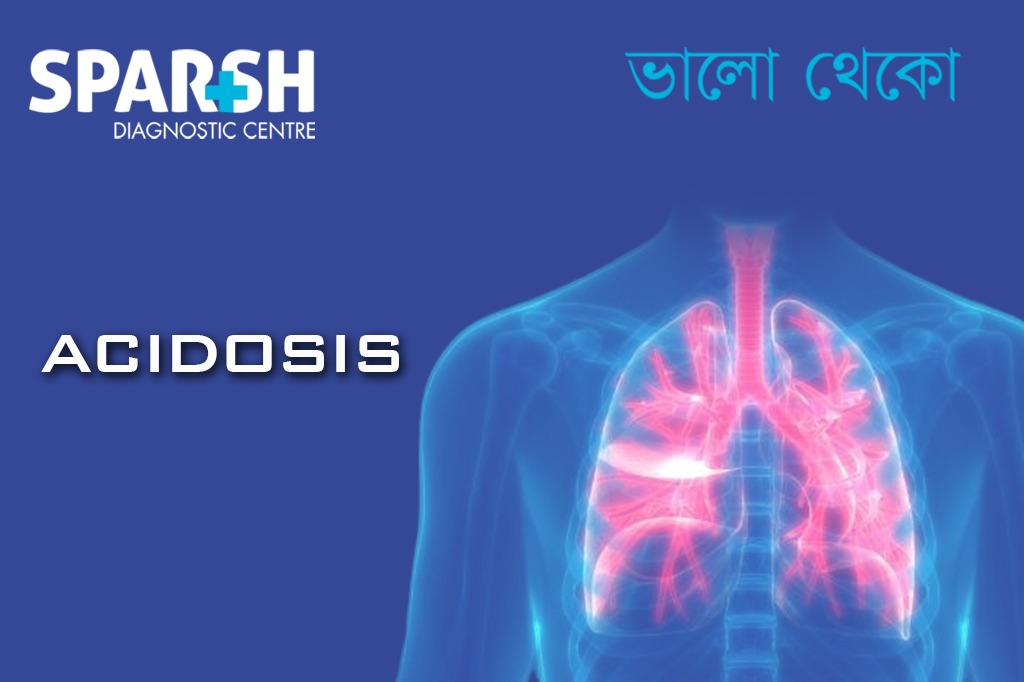
Acidosis is a medical condition in which the body’s fluids contain too much acid, causing the blood pH to drop below the normal range of 7.35–7.45. Maintaining a balanced pH is essential for the proper functioning of organs, enzymes, and metabolic processes. When excess acid accumulates—or when the body is unable to eliminate acid effectively—it can lead to serious health complications.
Acidosis can affect multiple organ systems, including the lungs, kidneys, heart, brain, and muscles. Early recognition and treatment are crucial to prevent long-term damage. This comprehensive guide explains the types, causes, symptoms, diagnosis, treatment, and prevention of acidosis.
What Is Acidosis?
Acidosis refers to an imbalance where acid levels in the body become excessive. The body naturally produces acids daily as part of metabolic processes. Normally, the lungs and kidneys help maintain the acid-base balance. However, certain diseases or conditions can disrupt this mechanism, leading to acidosis.
There are two major types of acidosis:
Within these broad categories are subtypes based on the underlying cause.
Types of Acidosis
1. Metabolic Acidosis
Metabolic acidosis occurs when the body produces too much acid, loses too much bicarbonate, or when the kidneys fail to remove acid efficiently.
Common causes include:
Diabetic ketoacidosis: Excess ketone formation in uncontrolled diabetes
Lactic acidosis: Excess lactic acid due to oxygen deprivation, shock, or liver failure
Renal (kidney) failure: Impaired excretion of acids
Toxin ingestion: Methanol, ethylene glycol, salicylates
Severe diarrhea: Loss of bicarbonate from the intestines
Subtypes of metabolic acidosis:
High anion gap acidosis (due to acid buildup)
Normal anion gap acidosis (due to bicarbonate loss)
2. Respiratory Acidosis
Respiratory acidosis occurs when the lungs are unable to remove enough carbon dioxide (CO₂). CO₂ combines with water in the body to form carbonic acid; therefore, CO₂ retention increases acidity.
Common causes include:
Chest wall abnormalities
Neuromuscular disorders
Drug overdose (depressants like opioids)
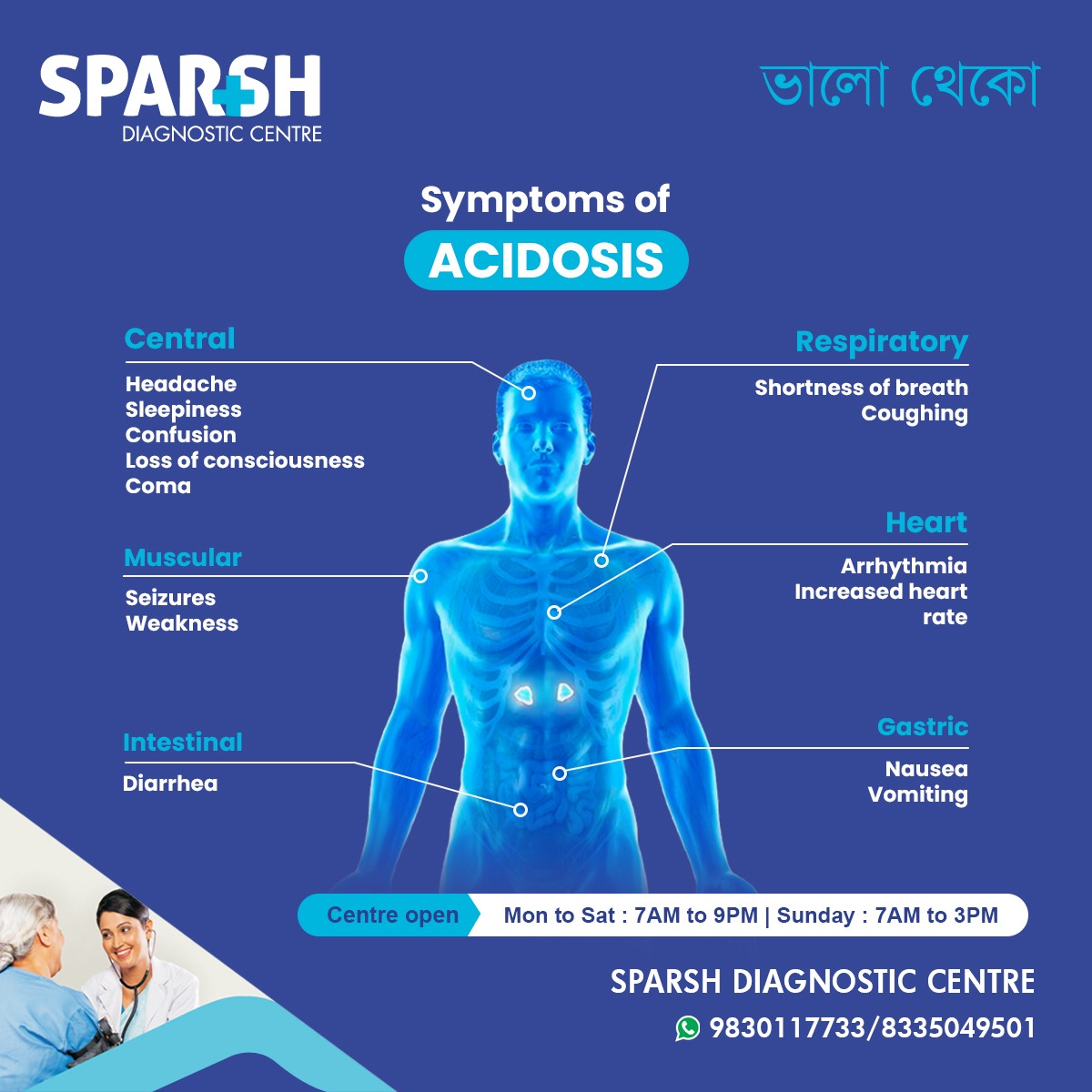
Symptoms of Acidosis
Symptoms vary depending on the type and severity but may affect several organ systems.
Symptoms of acidosis can be grouped as follows:
Central Nervous System
Respiratory System
Heart
Muscles
Gastrointestinal System
Intestinal Symptoms
Diarrhea (particularly in metabolic acidosis due to bicarbonate loss)
These symptoms can develop gradually or appear suddenly, depending on the cause.
Causes of Acidosis
Understanding the root cause is essential for choosing the right treatment. Here are common causes:
Causes of Metabolic Acidosis
Uncontrolled diabetes leading to ketone accumulation
Kidney disorders affecting acid elimination
Prolonged diarrhea
Overuse of certain medications
Poisoning or ingestion of toxic substances
Causes of Respiratory Acidosis
Lung diseases like COPD
Severe asthma attacks
Obstructed airway
Nerve or muscle disorders affecting breathing
Sedative overdose affecting breathing rate
How Acidosis Affects the Body
Acidosis can have widespread effects:
Brain: Excess acid impairs nerve function, leading to confusion and drowsiness
Respiratory system: The body attempts to compensate by increasing breathing
Heart: Severe acidosis may weaken heart contractions
Muscles: Acid accumulation can cause fatigue and cramps
Kidneys: Overload may worsen kidney function
Long-term untreated acidosis can lead to organ failure and life-threatening complications.
Diagnosis of Acidosis
A proper medical evaluation is essential.
1. Arterial Blood Gas (ABG) Analysis
This is the most important test for diagnosing acidosis. It measures:
pH
CO₂ (carbon dioxide levels)
HCO₃⁻ (bicarbonate levels)
2. Blood Tests
Blood glucose
Electrolyte levels
Lactate levels
Toxicology screening (if poisoning is suspected)
3. Urine Tests
pH
Ketones
Electrolyte loss
4. Imaging
In respiratory conditions, a chest X-ray or CT scan may be recommended.
Treatment of Acidosis
Treatment depends entirely on the type and severity.
Treatment for Metabolic Acidosis
Intravenous (IV) fluids: Helps in dehydration and diabetic ketoacidosis
Sodium bicarbonate: Used in certain types of metabolic acidosis
Insulin therapy: For diabetic ketoacidosis
Dialysis: Essential for severe kidney failure
Treatment of underlying infections: For lactic acidosis
Stopping toxic substances: In poisoning cases
Treatment for Respiratory Acidosis
Oxygen therapy
Non-invasive ventilation (BiPAP/CPAP)
Bronchodilators for asthma/COPD
Mechanical ventilation (in severe cases)
Treating lung infection
Adjusting sedative medications
Prevention of Acidosis
You can reduce the risk of acidosis by following these guidelines:
Maintain good diabetes control
Hydrate adequately
Avoid excessive alcohol consumption
Manage kidney and lung diseases effectively
Avoid self-medicating with sedatives
Seek medical help for persistent diarrhea
Lead a healthy lifestyle with regular check-ups
Avoid exposure to toxic chemicals
Preventive care can significantly reduce complications.
When to See a Doctor
Immediate medical attention is required if you experience:
Rapid breathing
Extreme weakness
Persistent vomiting
Confusion or altered consciousness
Severe dehydration
Uncontrolled diabetes symptoms
Acidosis can escalate quickly, especially in high-risk patients like diabetics, kidney patients, and those with chronic lung diseases.
Frequently Asked Questions (FAQs)
1. Is acidosis dangerous?
Yes. Severe acidosis can affect the brain, heart, and lungs. Without treatment, it can be life-threatening.
2. What pH level indicates acidosis?
A blood pH below 7.35 indicates acidosis.
3. Can acidosis be reversed?
Most forms of acidosis are reversible with timely diagnosis and appropriate treatment.
4. What foods help reduce acidity in the body?
Foods rich in potassium and low in sodium—fruits, vegetables, nuts, and seeds—support a healthy acid-base balance. However, diet alone cannot treat acidosis caused by disease.
5. Is acidosis related to acidity or heartburn?
No. Acidosis is a blood pH imbalance, whereas heartburn is due to stomach acid reflux. They are different conditions.
6. Does dehydration cause acidosis?
Yes, severe dehydration can lead to metabolic acidosis due to poor kidney function and reduced fluid balance.
7. How is acidosis detected?
Arterial blood gas (ABG) is the primary test, supported by blood and urine tests.
8. Can medications cause acidosis?
Some drugs, especially diuretics and sedatives, can contribute to acidosis.
#BhaloTheko
Disclaimer:
No content on this site, regardless of date, should ever be used as a substitute for direct medical advice from your doctor or other qualified clinician.

Sparsh Doctor List